
Last updated November 22, 2026
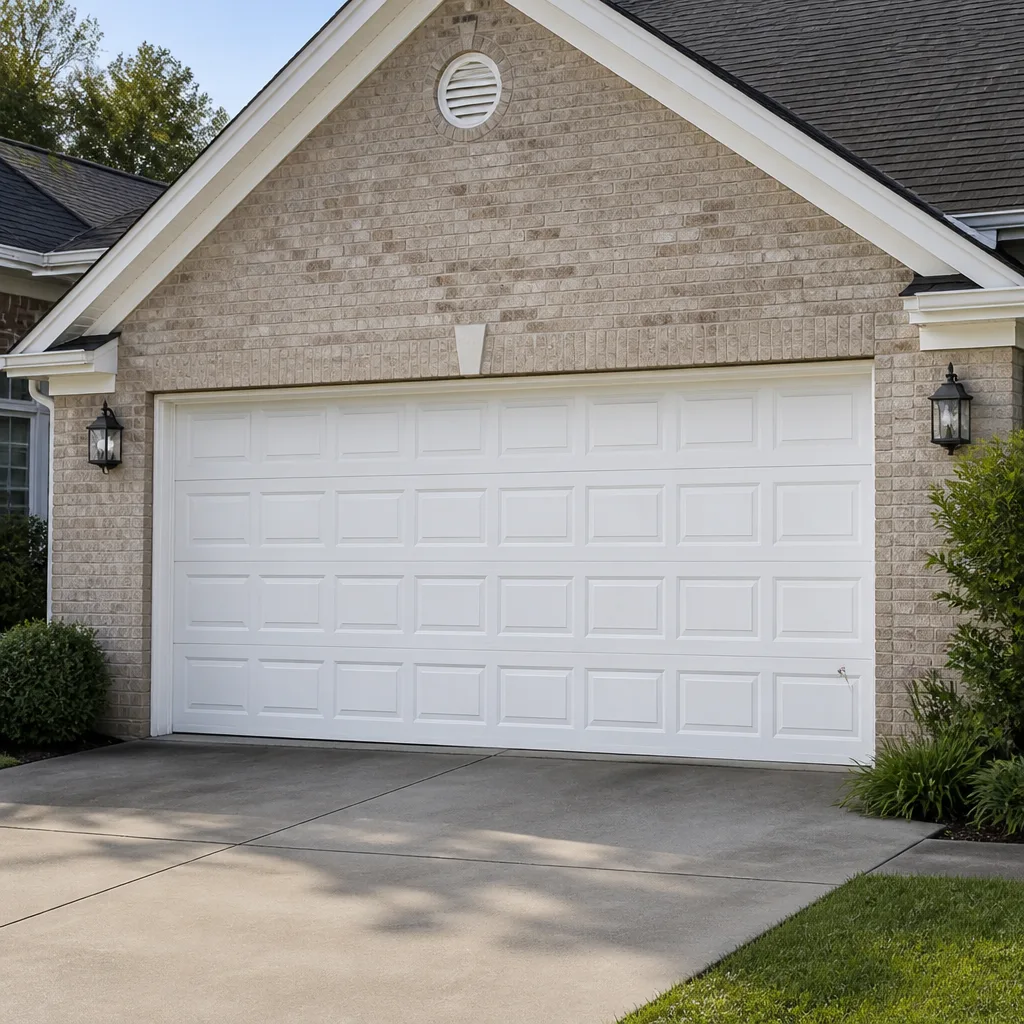 Raised-panel steel
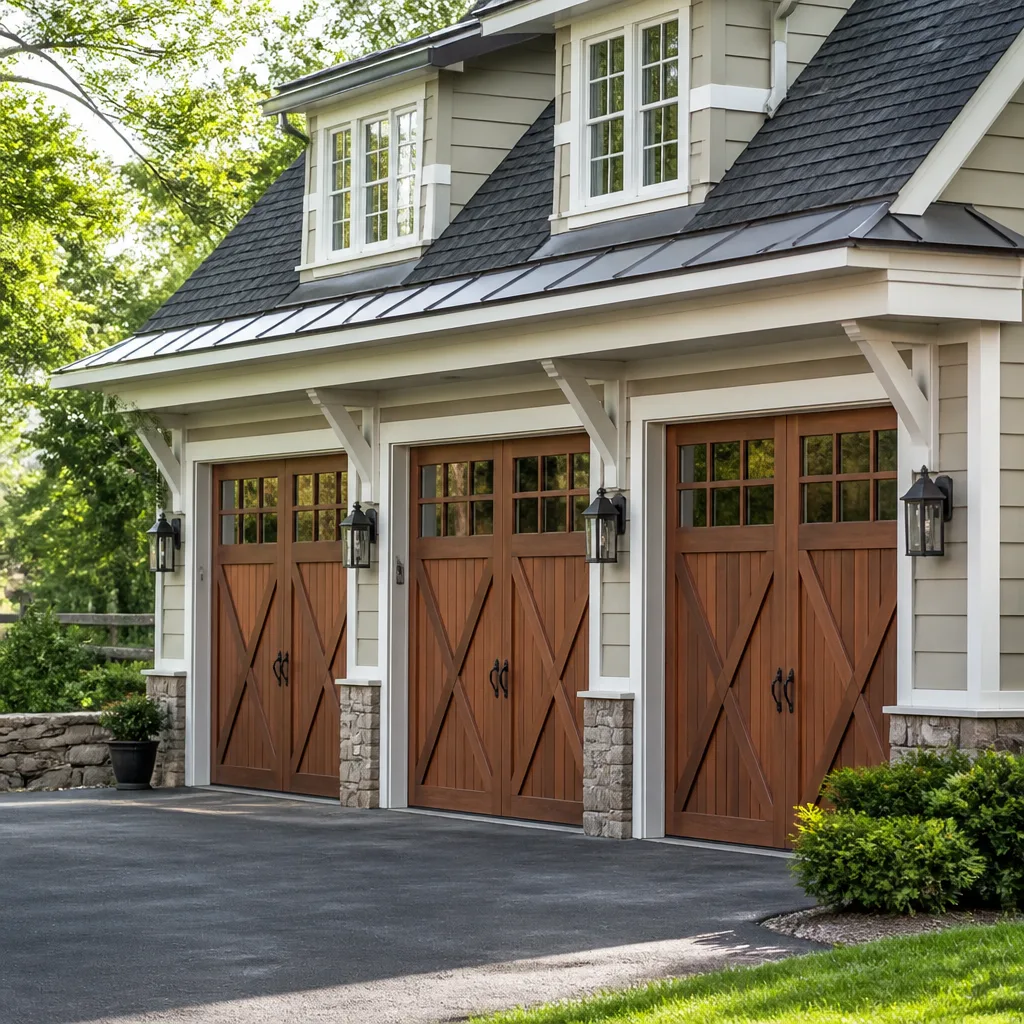 Carriage house
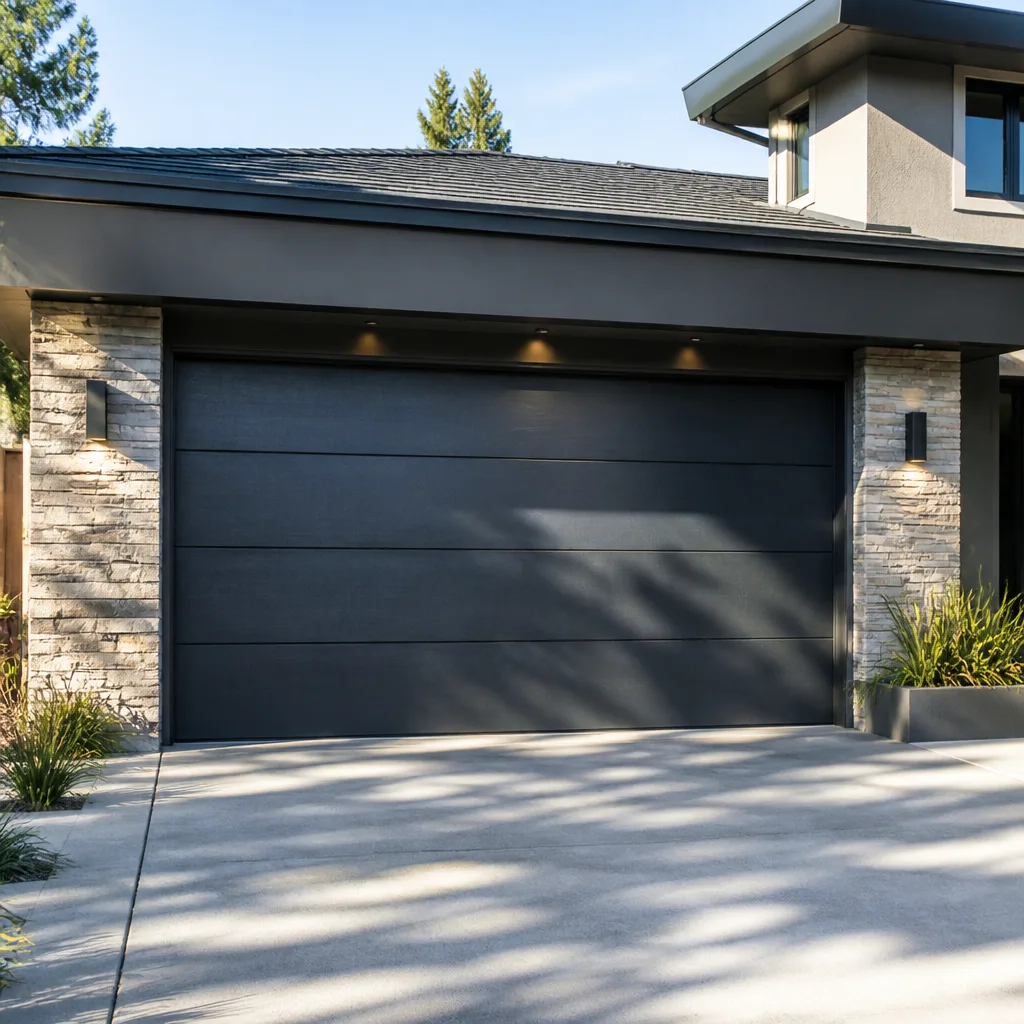 Modern flush
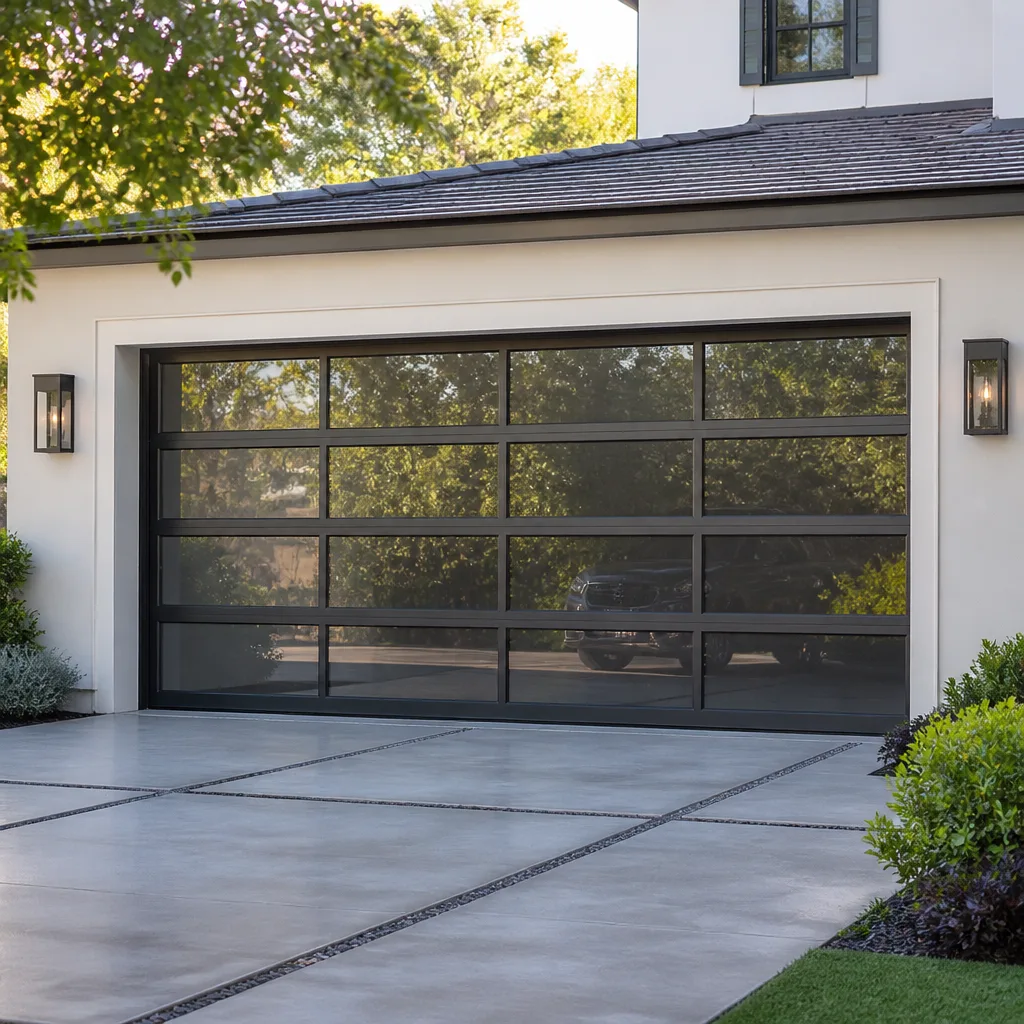 Full-view glass
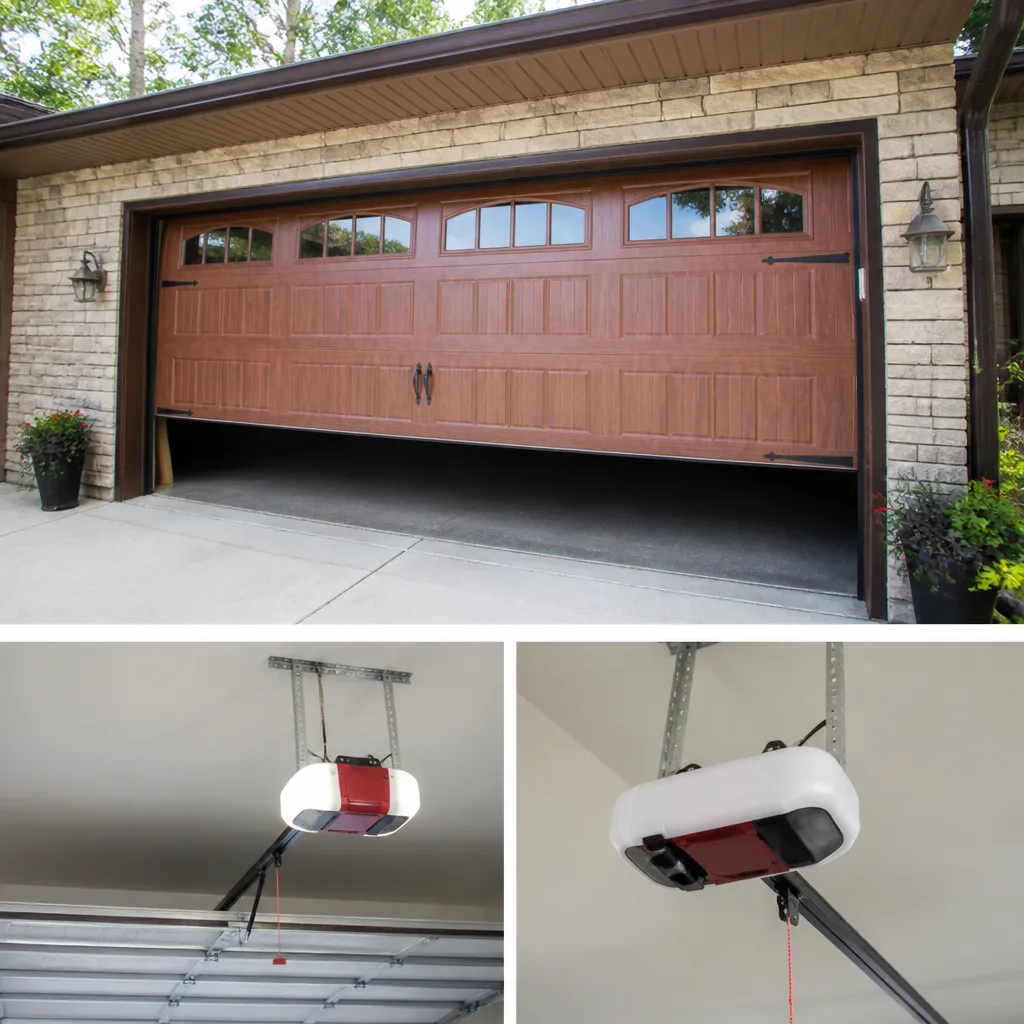 LiftMaster openers
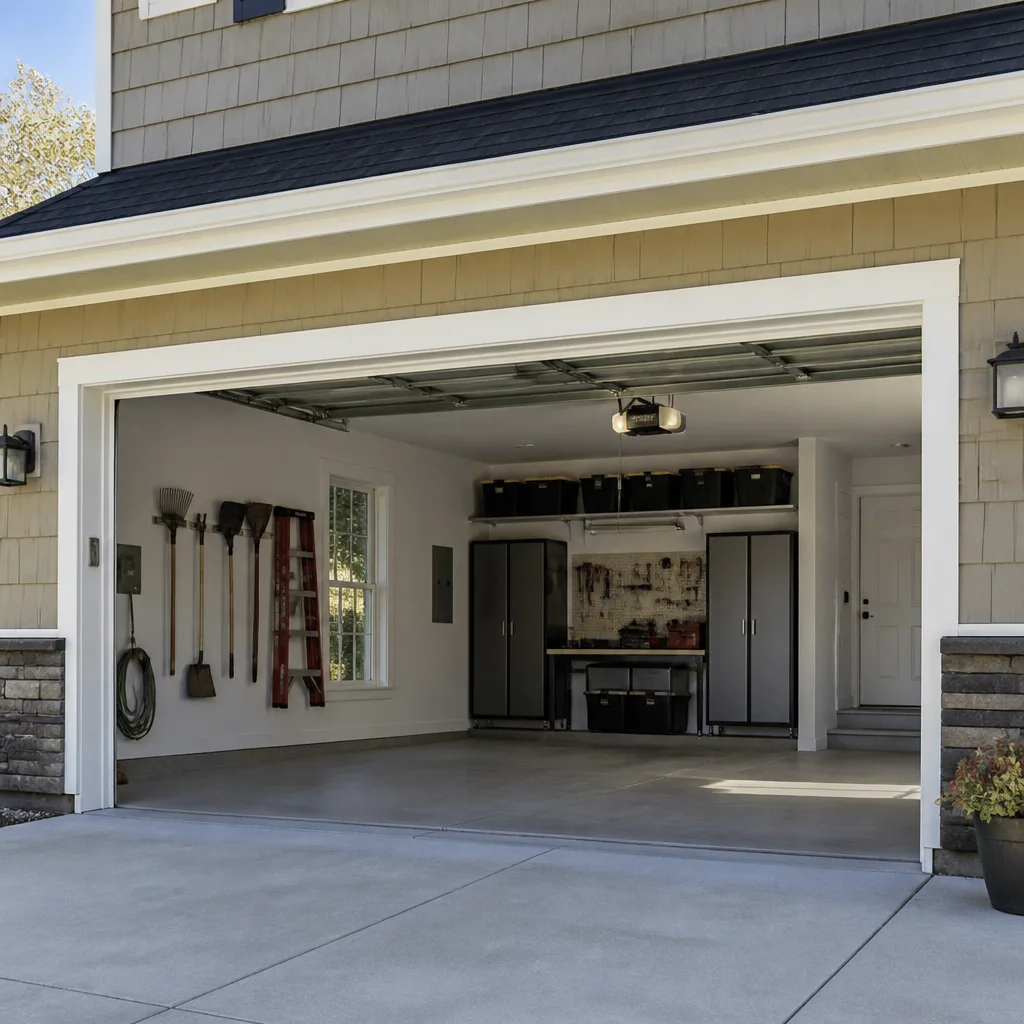 Chamberlain openers
Full 25-point door and opener safety check with every visit - springs, cables, rollers, tracks, and your LiftMaster or Chamberlain opener included
You get a price before we start. It does not change when the pro arrives.
Get your free estimateGarage Door Permits, Codes & Inspections in Florence, KY: What You Need to Know
Most Florence homeowners assume a garage door is like a paint job – fix it, replace it, nobody needs to know. That assumption gets expensive at resale. The line between a repair and a replacement is where permits live, and it’s a line most people cross without noticing. A spring swap doesn’t need paperwork. A new door often does. This guide maps where Boone County draws that line, what a residential garage door inspection actually looks at, how current IRC wind and insulation requirements apply even to older Florence homes, and how to fix an unpermitted install before a buyer’s inspector finds it for you.
Quick Answer
In Florence, KY, repairing a garage door – springs, opener, panels, tracks, hardware – does not require a permit. Replacing the entire door, or changing its size, header, or the framing around the opening, generally does require a building permit through the City of Florence’s building department under Boone County and Kentucky residential code. A new door must meet current IRC wind-load and R-value requirements for our region, even when it’s going onto a house built decades before those standards existed. The written estimate and permit guidance come before the work, not after.
Styles & brands we work with
- Raised-panel steel
- Carriage house
- Modern flush
- Full-view glass
- LiftMaster openers
- Chamberlain openers
Table of Contents
- Repair vs. Replacement: Where Florence Draws the Permit Line
- When You Actually Need a Permit in Florence, KY
- What a Residential Garage Door Inspection Checks (And What It Doesn’t)
- Wind Load and R-Value: Why New Doors Must Meet Current Code on Older Homes
- How to Retroactively Permit a Door You Already Installed
- When a Project Crosses Into Commercial Code
- How to Hire a Garage Door Contractor Who Handles the Paperwork
- The Permit and Inspection Timeline, Step by Step
Repair vs. Replacement: Where Florence Draws the Permit Line
The clearest way to think about it: you’re not permitting the door, you’re permitting the opening. Repairs to hardware on the existing opening don’t change the structure, so they don’t trigger a permit. Replacing or altering the opening itself does.
In our experience across Florence, homeowners get confused because the door looks like the whole job. It isn’t. Here’s the practical breakdown:
- No permit typically needed: replacing torsion or extension springs, replacing an opener, swapping rollers, hinges, or cables, replacing a single damaged section or panel on a sectional door, realigning tracks after an impact.
- Permit generally required: full door replacement (even same size, same style), changing door width or height, replacing the header or the framing around the opening, replacing the door and opener together when the track and mounting points move, converting a manual door to an opener when new framing is added.
The “even same size” part surprises people. A door-for-door swap still carries permit weight in most Kentucky jurisdictions because the installation changes how the opening resists wind and carries load. We’ve seen Florence homeowners assume that because the dimensions match, the paperwork doesn’t apply. It does. If you’re planning something like a garage door repair and you’re not sure which side of the line your job lands on, ask before the work starts – that question is free and the answer saves a headache later.
One practical note: the specific permit threshold is set by the City of Florence’s building department, and it’s worth a phone call to confirm for your exact project. We’ve seen general guidance become outdated. The city’s current rule is the one that counts.
When You Actually Need a Permit in Florence, KY
Here’s the list we walk Florence homeowners through when the question comes up. If any of these describe your project, plan on a permit:
- Full door replacement. Any new door installed in the existing opening, whether it’s a LiftMaster-operated steel door or a new insulated model.
- Size change. Widening or heightening the opening, or changing from a single door to a double.
- Structural work around the opening. Replacing or modifying the header, jambs, or framing.
- Changing door type in a way that alters load. A heavy wood door swapped for a light aluminum one doesn’t sound structural, but the spring, mounting, and track system change, and the inspector wants to see it addressed.
- Converting a carport or open bay to an enclosed garage. New walls, new opening, new door – that’s a construction permit much bigger than a door permit.
- Any work that will be inspected as part of a larger remodel. If you’re pulling a permit for a kitchen or addition, the garage door often gets swept in.
What generally does not need a permit in Florence: tune-ups, opener repairs (remotes, sensors, logic boards, gears), spring replacement, cable and roller replacement, panel swaps, and general adjustments. We work on the brand you already have – Wayne Dalton, Craftsman, Raynor, LiftMaster, and more – and none of that routine work requires paperwork.
The best move: call the City of Florence building department with your specific project description and ask directly. Two minutes on the phone beats a resale complication down the road.
What a Residential Garage Door Inspection Checks (And What It Doesn’t)
A residential garage door inspection is narrower than most people expect. It’s not a top-to-bottom mechanical assessment of your door and opener – that’s a different visit. The inspection tied to a permit focuses on the installation and the opening, not on whether your opener’s sensors are aligned.
What the inspector typically evaluates:
- The door is the door on the permit. Specs, wind rating, and R-value should match what was approved.
- The opening is structurally sound. Header, jambs, and framing are secure and built to the permitted spec.
- The door operates safely. Opens and closes without binding, tracks are aligned, springs are tensioned correctly, and the door isn’t going to fail in normal use.
- The opener’s safety features work. Photo-eye sensors and the reversal function are tested.
- Fasteners and anchoring. The track brackets and opener mounts are attached securely to the framing.
What it usually does not cover:
- Cosmetic condition of the panels.
- Whether the door matches the house.
- Wear on rollers, hinges, or weatherstripping.
- The health of the opener’s internal gears.
- Whether the spring is due for replacement.
That separation matters in Florence because a door can pass an inspection and still be a mechanical problem waiting to happen. We treat inspections and mechanical assessments as two different conversations. If your door garage door opener repair needs to be addressed, that’s separate from the permit inspection and doesn’t delay it.
One quick safety note: the torsion springs and cables at the top of the door are under extreme tension. If you’re tempted to look closer or adjust anything for the inspection, don’t – a spring that lets go can cause serious injury. That’s a trained technician’s job.
Wind Load and R-Value: Why New Doors Must Meet Current Code on Older Homes
This is the part of the conversation that catches Florence homeowners off guard. New garage doors must meet the current International Residential Code requirements for wind load and thermal performance, even when the house was built decades before those requirements existed. The code attaches to the new installation, not to the year the house was built.
That’s the short version. Here’s what it means in practice:
- Wind load. The door must be rated to resist the wind pressures that apply to our region on a per-square-foot basis. A door that was fine in 1995 may not be what the current code calls for, so a replacement needs to be specified correctly – not just sized correctly.
- R-value. Insulated doors are rated by thermal resistance. A replacement on an older home isn’t excused from meeting the current number just because the original door was uninsulated. If you’re heating or cooling the space above the garage, this matters for more than code – it matters for your energy bill.
- The door and opener are a system. A newer, heavier insulated door on the old opener’s spring setup is a mismatch. The opener and spring need to be matched to the door’s weight and travel.
If you’re shopping for a replacement, ask the contractor for the wind-load and R-value documentation on the door before you approve the order. A reputable installer will have it on hand. We work with doors from Clopay, Amarr, and Wayne Dalton, and each of those manufacturers supplies specification sheets with their products – nothing unusual, just ask for the paperwork.
For an existing door, our garage door spring repair work doesn’t trigger these requirements – springs are a repair, not a replacement – but if you’re replacing the door, the current numbers apply.
How to Retroactively Permit a Door You Already Installed
If you already installed a door without a permit and you’re preparing to sell, there’s a right way to fix it. It’s not a disaster. It’s a process. But it’s much smoother if you start before the buyer’s inspector finds it, not after.
- Gather what you have. Receipts, the installer’s contact, the door’s model number and spec sheet, and any photos from the installation. The more documentation, the smoother the process.
- Call the City of Florence building department. Explain that you have an existing installation that may not have been permitted, and ask what they need from you to bring it into compliance.
- Apply for the permit. In many cases you can pull the permit now, even though the work is already in place. The application will typically ask for the door’s wind-load and R-value specifications – the same numbers a pre-installation permit would have required.
- Schedule the inspection. An inspector will evaluate the opening and the installation against current code. If it meets the standard, you’re done. If it doesn’t, you’ll get a correction list.
- Correct what needs correcting. Most corrections are small – anchoring, adjustments, spring tension, safety sensors. Occasionally the door itself needs to be replaced to meet current wind-load requirements, and that’s the expensive outcome you were trying to avoid.
- Keep the paperwork. The final inspection record and permit go in your disclosure packet and your home file. That’s what the next buyer’s inspector is looking for.
We’ve helped Florence homeowners work through this exact situation, and the conversation is always calmer when it starts early. If you’re listing in six months, that’s the moment to pull the file and check. Not after a buyer’s inspector flags it. The difference between a clean disclosure and a renegotiated price is usually a few phone calls.
When a Project Crosses Into Commercial Code
Garage doors on commercial buildings in Florence live under a different rulebook. It’s not a bigger version of the residential permit – it’s a different code category, and the inspection process reflects that.
Commercial garage door projects typically involve:
- Commercial building code compliance. The International Building Code applies, not IRC, and the requirements are broader.
- Fire and life-safety review. Doors on commercial occupancies that serve as part of a fire separation or egress path get additional scrutiny.
- Zoning and use review. A roll-up door on a commercial frontage may need to clear zoning on the door’s location, its size, and its visibility from the street.
- Mechanical and electrical review. Commercial openers are wired and sometimes 3-phase; the permit often covers the electrical work as a separate trade.
Where this gets missed in Florence: a homeowner-occupied shop or barn used as a home business can look residential on the outside and fall under commercial code once the use is commercial. If you’re running a business out of the building, ask before you order the door. The residential permit won’t cover it, and the inspection may not pass.
For a commercial project, most installers will hand the permitting off to you as the building owner. We stay with you through the installation itself and coordinate with whoever holds the permit. The written estimate is set before work starts, and the price doesn’t change because the permit is more involved – but we need to know it’s a commercial job up front so the door and opener are specified correctly.
How to Hire a Garage Door Contractor Who Handles the Paperwork
When you’re choosing a contractor in Florence, ask about permits early. Not after you’ve agreed to the door. The answer tells you a lot about how the job will go.
What to look for:
- They know the Florence permit process. Not just “we handle it” – ask who pulls the permit, what the inspection timeline typically looks like, and what specifications they’ll provide for the door.
- They provide the door’s spec sheet. Wind-load rating and R-value, documented by the manufacturer.
- Their written estimate separates the door, the installation, and the permit. That way you can see the permit line instead of finding it buried.
- They work on the brand you already have. A contractor who can service the LiftMaster opener you own and install the Raynor door you want is one call, one company, no finger-pointing between vendors.
- They handle spring work in-house. Springs are a named specialty for us because the job is genuinely dangerous – not because we want to upsell you.
- The price is quoted and agreed before any work starts. Not a vague range, not “we’ll see once we get in there.” A written number.
Our technicians have up to 11 years of experience, and the scope of the work we can quote in one visit – repair, opener, springs, install – means fewer phone calls and less scheduling for you. We’re Florence Garage Door Repair Pros and we connect Florence homeowners with vetted local professionals who do the work, handle the specifications, and coordinate with the permit process. Community character here is such that neighbors talk – a contractor who does a permit mess doesn’t get a second call.
Free estimates are part of the conversation. Not a surprise fee.
The Permit and Inspection Timeline, Step by Step
Here’s how a permitted door replacement runs in Florence, start to finish. The specifics vary by project, but this is the shape of it.
- Get a written estimate. Includes the door, the installation, and the permit line. Price quoted and agreed before work starts.
- Confirm the permit requirement. Call the City of Florence building department with your project description. They confirm.
- Submit the permit application. Includes the door’s specifications – wind-load and R-value – plus the installation details.
- Permit issued. Turnaround varies with the city’s workload.
- Order the door. Lead time on a replacement door varies by manufacturer and model. Nothing gets installed before the door arrives and the permit is in hand.
- Installation. The local professional installs to spec.
- Inspection. An inspector evaluates the opening and the installation against the permitted specifications.
- Final sign-off. Paperwork comes to you. Keep it with the home’s records – it goes in the disclosure packet if you sell.
One timing note worth planning for: if you’re working toward a closing date, the permit and inspection add weeks to the schedule. Start the process early. Repair work – springs, openers, panels – doesn’t carry that delay. A broken spring in the middle of the week gets handled in a day. A permit runs on the city’s calendar, not ours.
Common Mistakes to Avoid
- Assuming “same size” means “no permit.” A door-for-door swap still changes the opening’s wind-load compliance. The dimensions matching doesn’t change the paperwork requirement. Ask before you order.
- Treating the opener as separate. When you replace the door, the opener and spring system need to be matched to the new door’s weight and travel. Installing a heavier insulated door on the old spring setup shortens both their lives.
- Skipping the Florence phone call. General permit guidance online is often out of date for the City of Florence. The building department’s current rule for your specific project is the only answer that counts.
- Forgetting the manufacturer’s documentation. Without the door’s wind-load and R-value sheets, the permit application stalls. Ask the contractor for those before the door is ordered, not after.
- DIY spring work. Torsion springs are under extreme tension and can cause serious injury if they let go. This is not a job that rewards confidence – it rewards training. Leave it to a professional.
- Waiting until the sale to check the permit file. If you installed a door without a permit, pull the file now. The process of bringing it into compliance is far smoother when you’re not racing a buyer’s inspector.
- Treating a commercial-use building as residential. Home-occupied shops and barns that run as businesses fall under commercial code. A residential permit on a commercial-use door fails inspection.
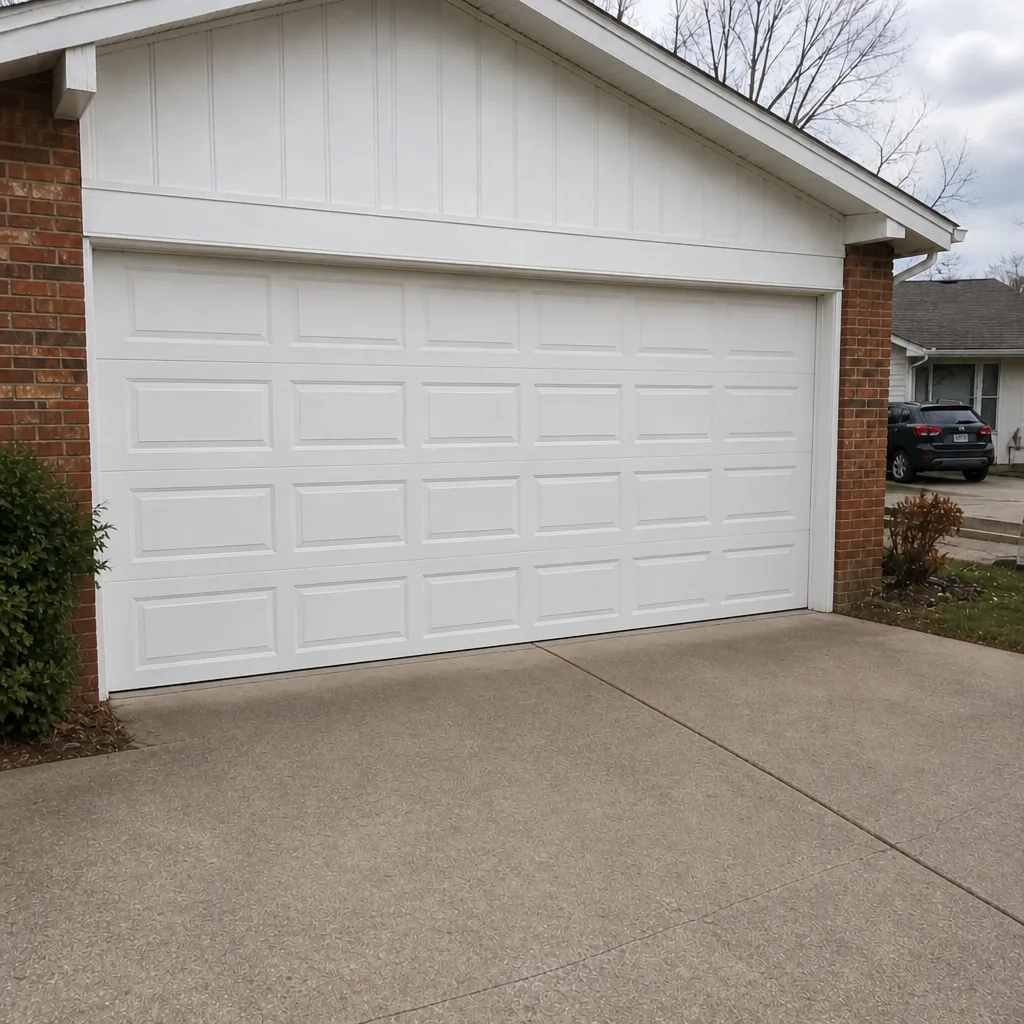
See the difference
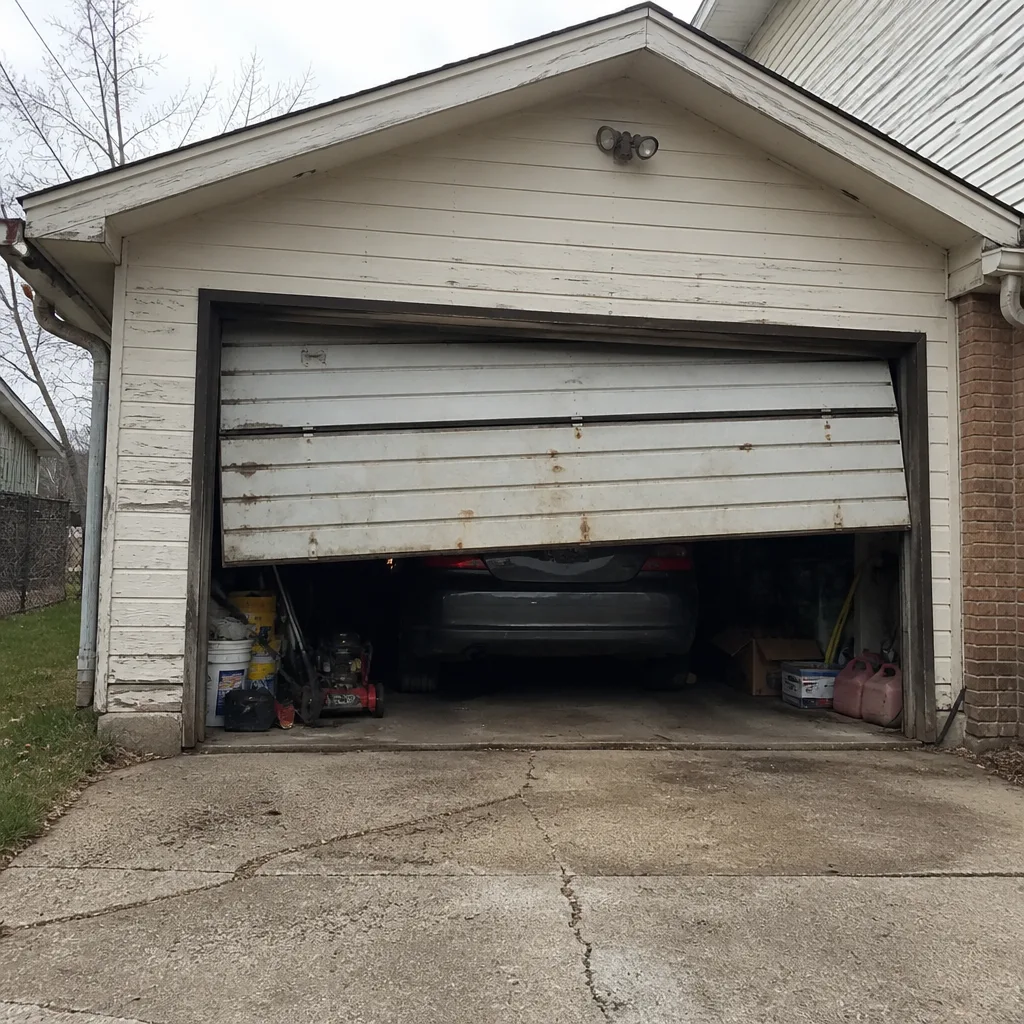 Before
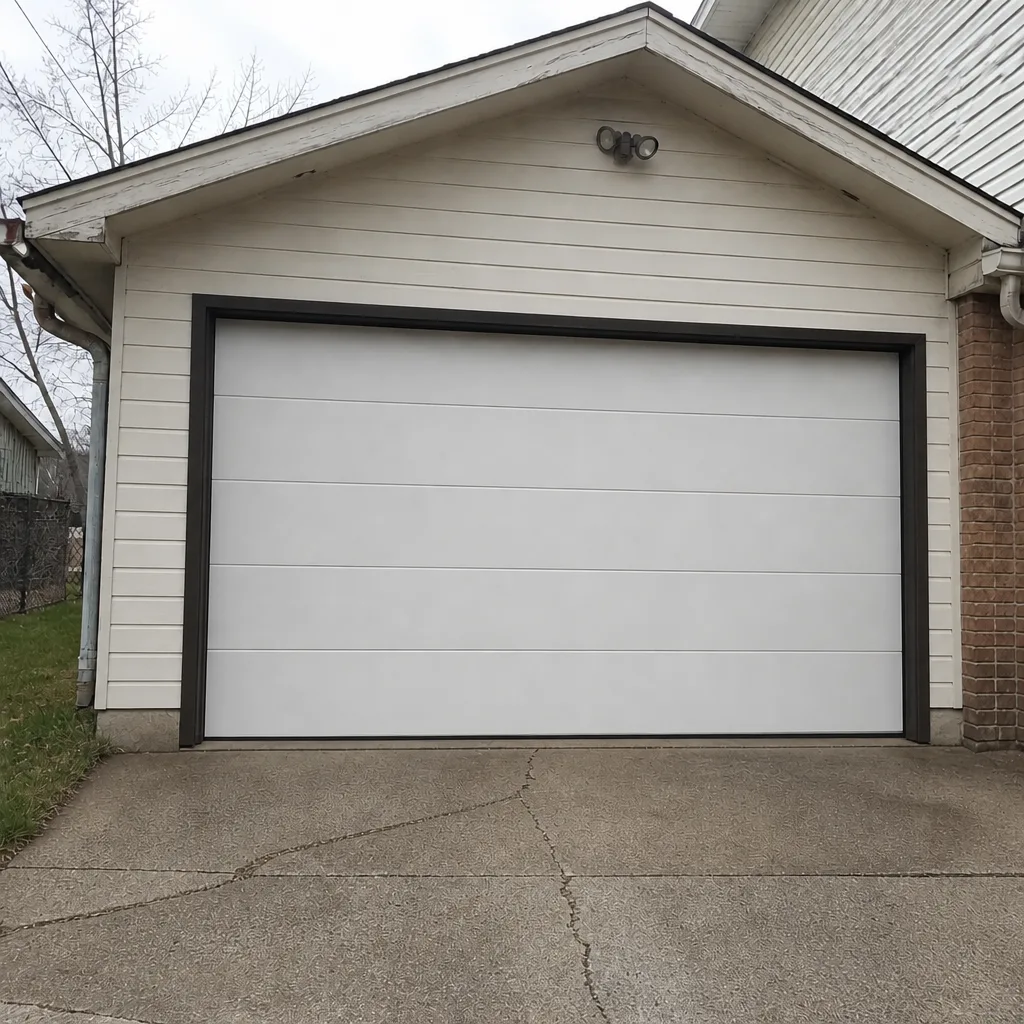 After
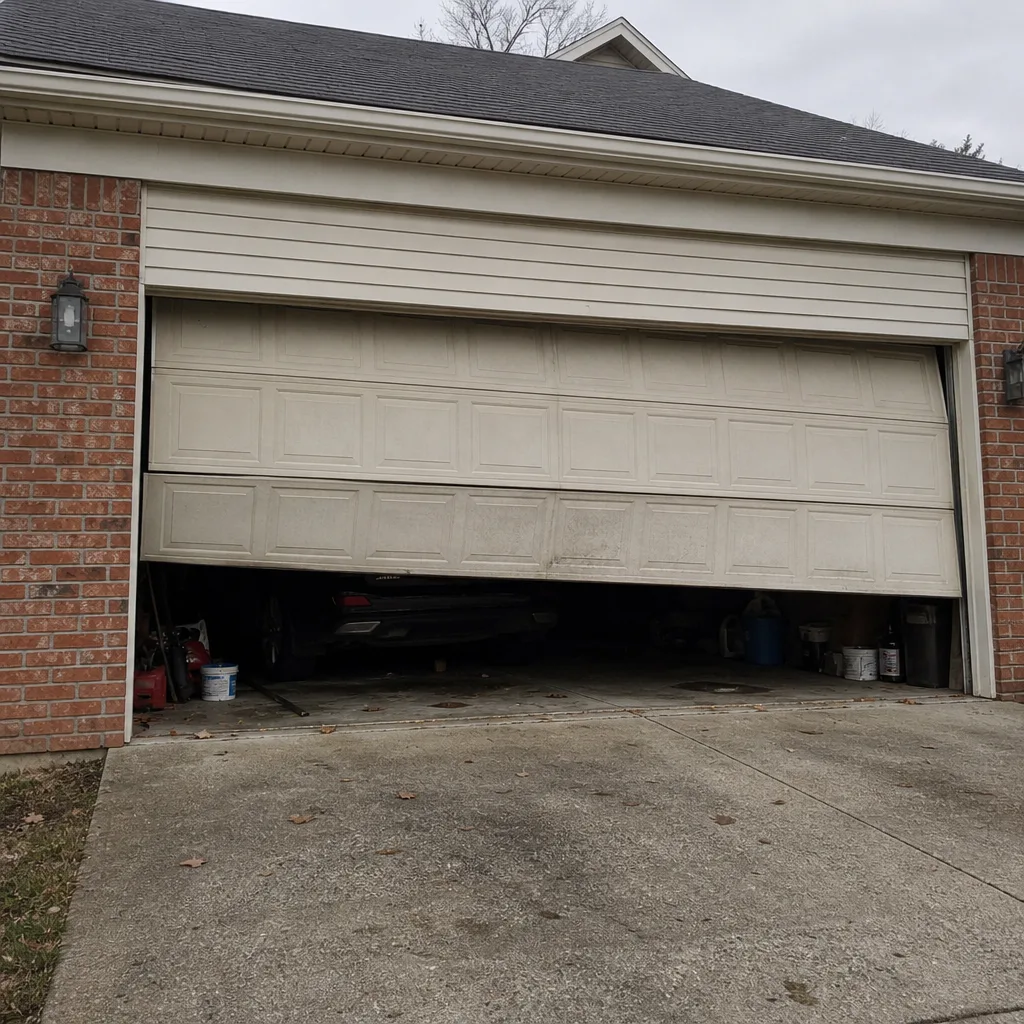 Before
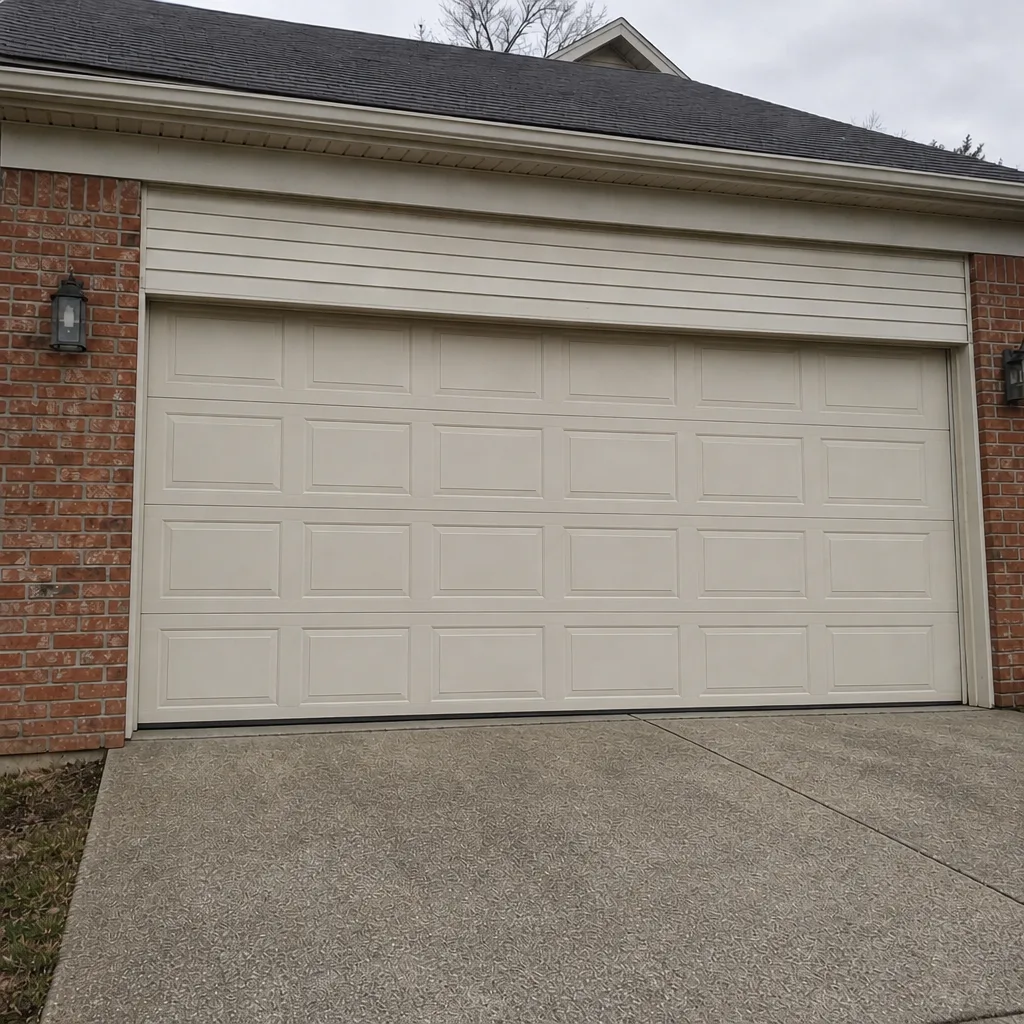 After
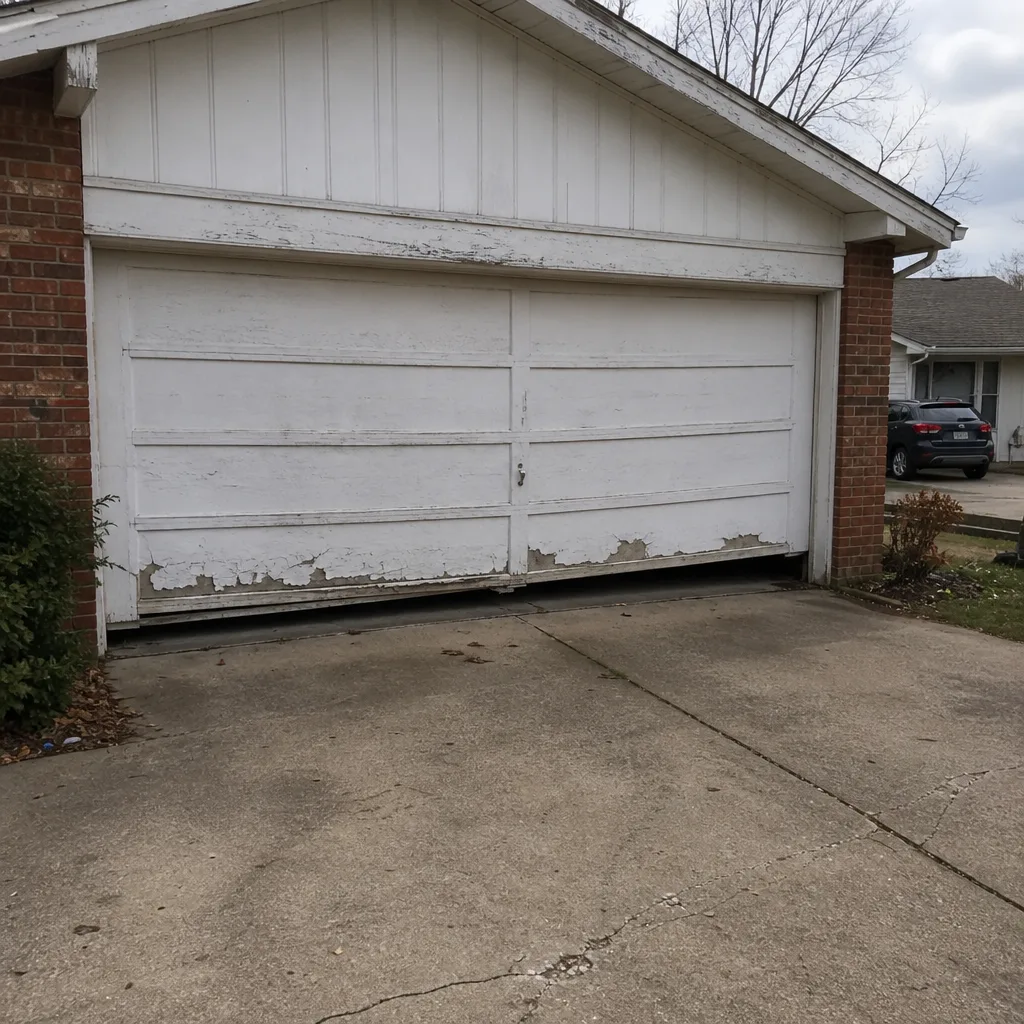 Before
 After
When to Call a Professional
Call a professional when the door won’t open, closes unevenly, makes a popping or snapping sound, comes off one track, or when a spring has visibly broken. Those are mechanical failures that need a trained technician, not a weekend of study. Call also when you’re planning a replacement – a permitted install starts with an informed contractor who knows the Florence requirements and can specify the door correctly, not a national retailer who ships you a box.
If you’re unsure whether your project needs a permit, that’s a phone conversation, not a decision. We’ll tell you what we see, and if the paperwork needs to happen, we’ll walk you through it. Florence Garage Door Repair Pros offers free estimates in Florence – call (844) 681-4337. We answer 24/7. Fast dispatch from 7am to 7pm, Sunday through Friday. A call outside dispatch hours is booked into the next opening, Sunday through Friday, 7am to 7pm.
Frequently Asked Questions
Yes, in most cases. Replacing the entire garage door typically requires a building permit through the City of Florence’s building department, even when the new door is the same size as the old one. The permit covers the opening and the installation’s compliance with current code. Call the city to confirm for your specific project – that’s the answer that counts.
No. Spring replacement is a repair, not a replacement, and it doesn’t require a permit in Florence or Boone County. The same applies to opener repair, cable and roller replacement, and panel swaps. If your spring has visibly broken, that’s a same-day repair situation – call (844) 681-4337 and we’ll dispatch a technician.
The permit inspection evaluates the installation and the opening, not the cosmetic condition of the door. It checks that the door matches the permitted specifications, that the header and framing are structurally sound, that the door operates safely, and that the opener’s safety features – photo-eye sensors and the reversal function – are working. It doesn’t evaluate spring wear or roller condition.
Yes. New garage doors must meet current International Residential Code requirements for wind load and thermal performance (R-value), even when the house was built decades before those requirements existed. The code attaches to the new installation, not the home’s age. Ask your contractor for the door’s wind-load and R-value documentation before the order is placed.
Often yes, and it’s the right way to handle it before a sale. Start by calling the City of Florence building department and explaining the situation. You’ll typically be able to pull the permit now, provide the door’s specifications, and schedule an inspection. If the installation meets current code, you’re done. If not, you’ll get a correction list – better to know now than during a negotiation.
Plan on several weeks from application to final sign-off. The timeline depends on the city’s permit turnaround, the door manufacturer’s lead time, and the inspection scheduling. Repair work – springs, openers, panels – doesn’t carry that delay and is usually handled in a single visit. If you’re working toward a closing date, start the permit process early. Call (844) 681-4337 for a free estimate and we’ll walk through what the timeline looks like for your project.
The Bottom Line
In Florence, KY, repairs don’t need a permit and replacements usually do. That’s the line. A new door must meet current wind-load and R-value requirements even on an older home, the permit inspection checks the opening and safety features but not cosmetic or mechanical wear, and if you’ve already installed a door without a permit, there’s a clear process to fix it before a sale. Skipping the permit doesn’t save money – it shifts the cost to a future negotiation. The written estimate sets the price before work starts, and the permit guidance comes early. Call (844) 681-4337 for a free estimate on your Florence garage door project.
Written by the team at Florence Garage Door Repair Pros.