
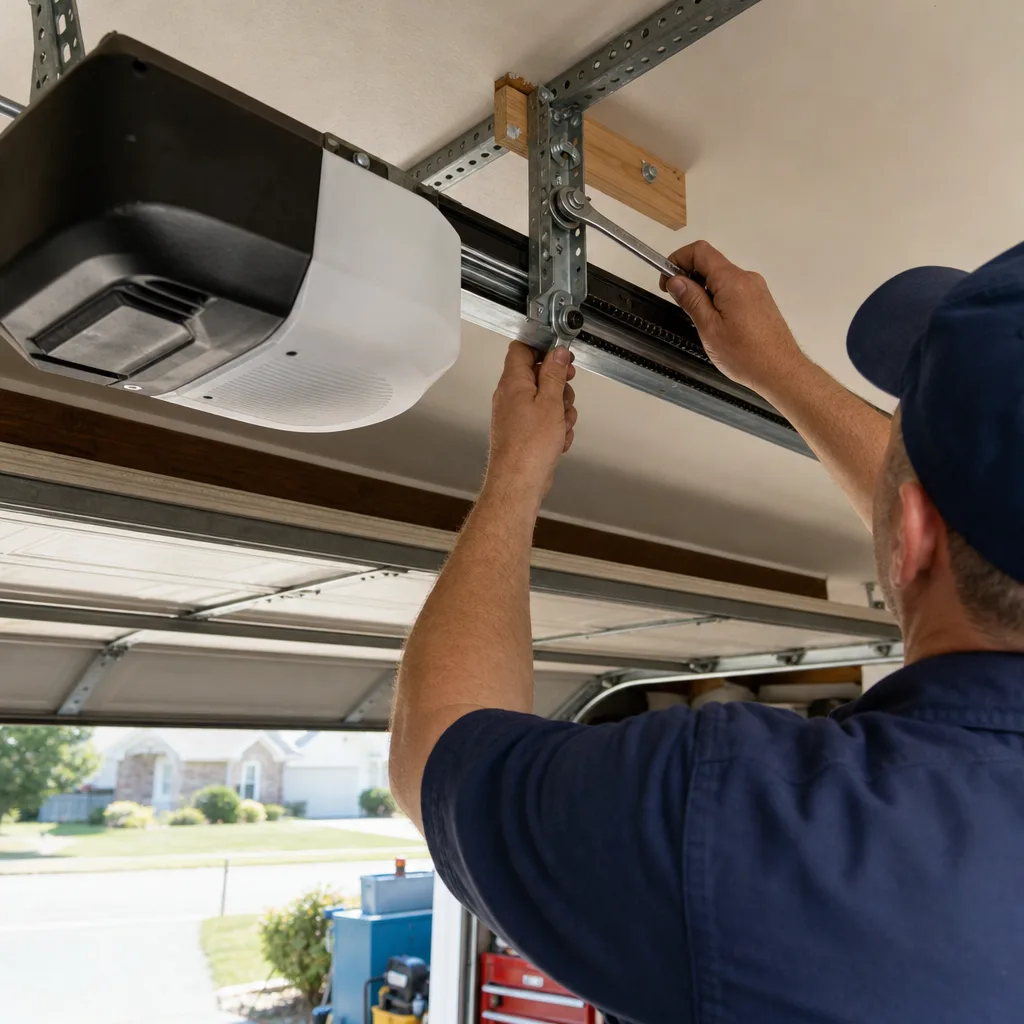
Last updated November 22, 2026
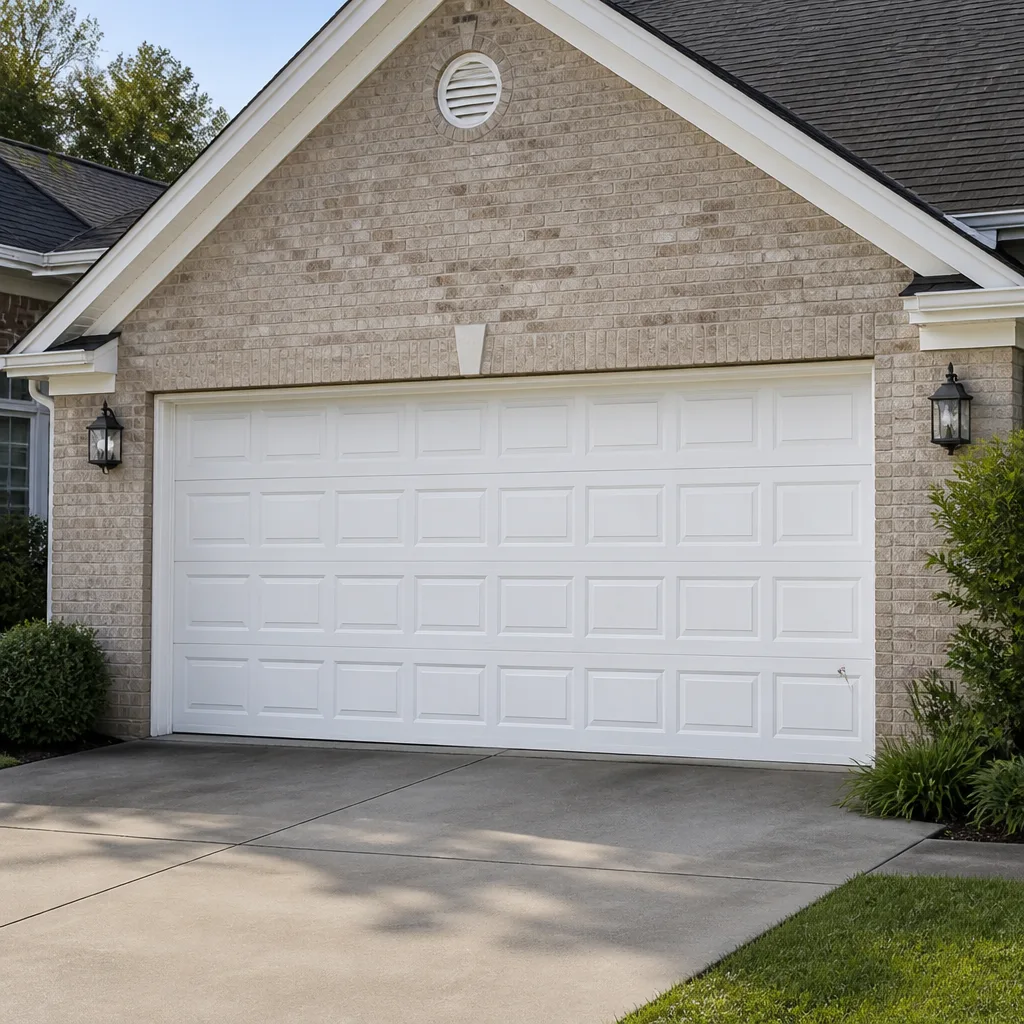 Raised-panel steel
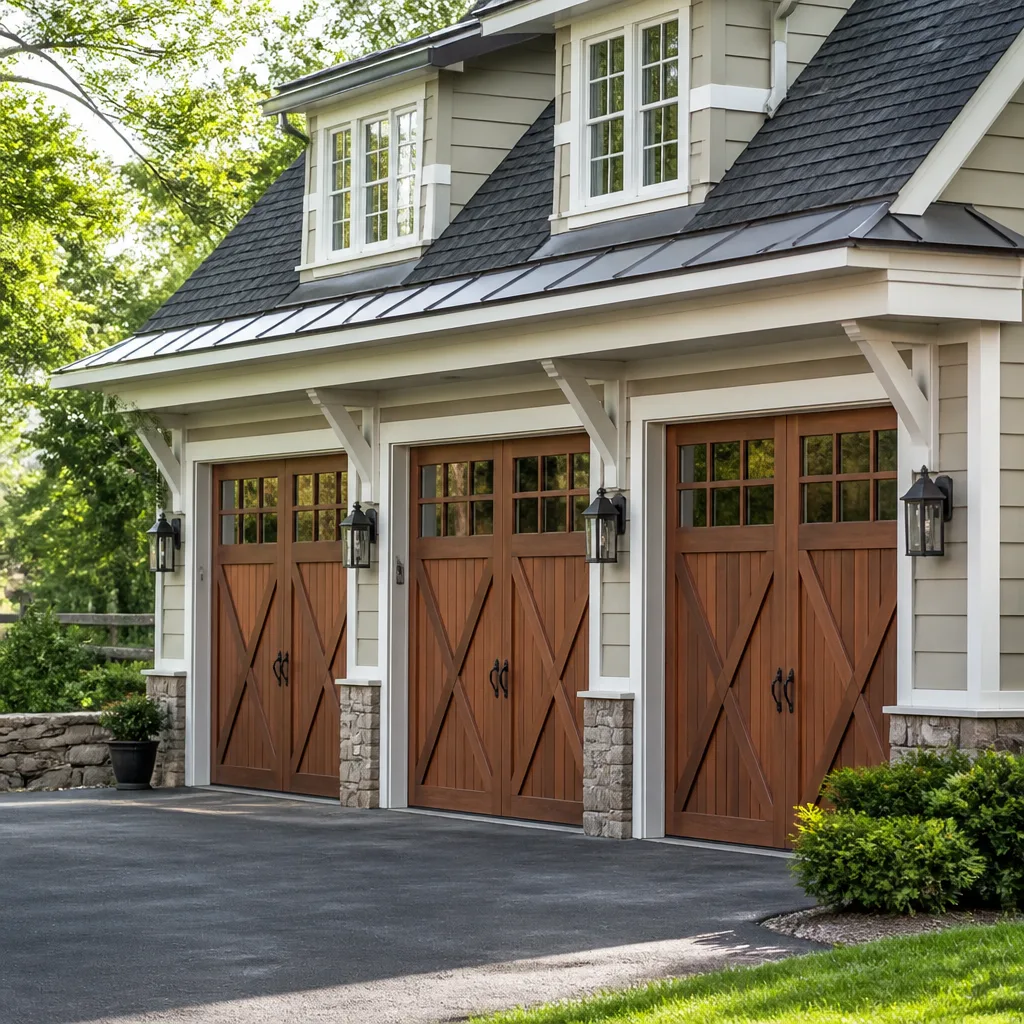 Carriage house
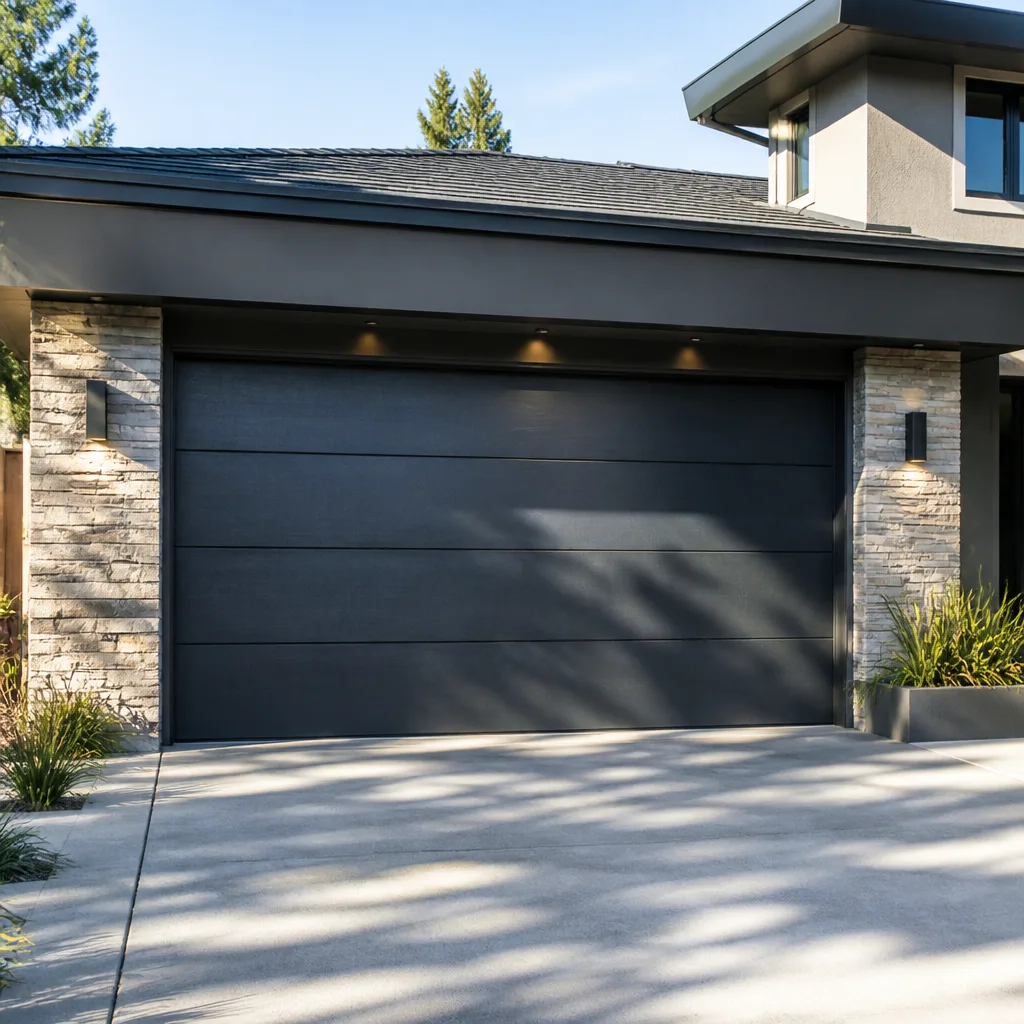 Modern flush
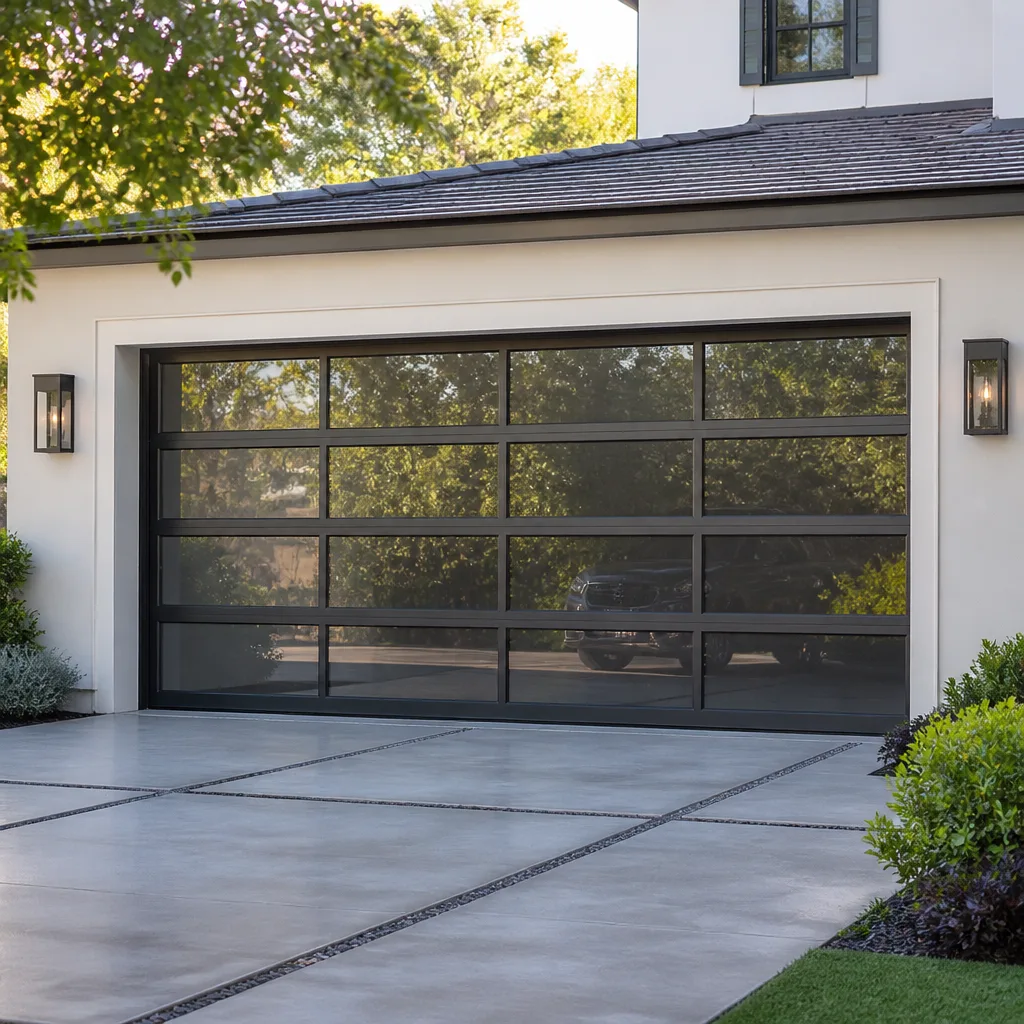 Full-view glass
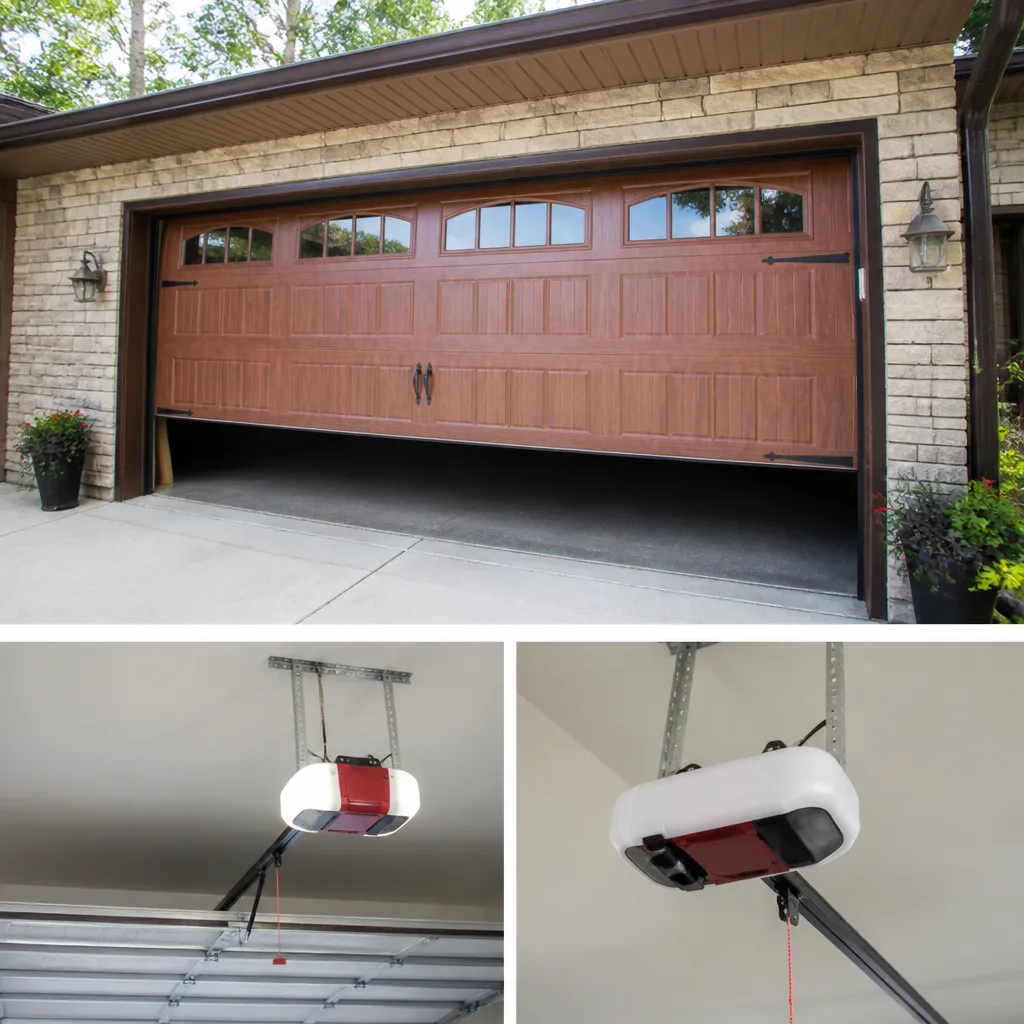 LiftMaster openers
 Chamberlain openers
Full 25-point door and opener safety check with every visit - springs, cables, rollers, tracks, and your LiftMaster or Chamberlain opener included
You get a price before we start. It does not change when the pro arrives.
Get your free estimateGarage Door Repair Maintenance Checklist for Florence Homeowners
A loose cable and a nearly snapped cable look the same to an untrained eye. Treat one like the other and a calm Saturday inspection turns into a Sunday emergency call. The real problem isn’t that homeowners skip maintenance. It’s that most checklists tell you what to touch without telling you what normal feels, sounds and looks like, so you can’t tell a minor adjustment from a failure waiting to happen. This guide fixes that. We’ll walk through each component of a typical Florence door, give you a pass/fail read on every one, and explain what the results mean, so you know what you can handle and what needs a trained hand.
Quick Answer
A garage door maintenance checklist for Florence homes should cover five things that cause most local service calls: spring tension, cable condition, roller and hinge wear, track alignment, and the opener’s safety reverse and balance. You can safely check balance, the auto-reverse test and lubrication yourself. Springs, cables and torsion hardware sit under extreme tension, so leave those to a trained technician. A door that passes a visual and balance check twice a year is far less likely to strand you.
Styles & brands we work with
- Raised-panel steel
- Carriage house
- Modern flush
- Full-view glass
- LiftMaster openers
- Chamberlain openers
Table of Contents
- How a Garage Door Actually Works (So You Can Read the Clues)
- Why Florence Humidity and Seasonal Swings Change Your Maintenance Calendar
- The Five Components Behind Most Florence Service Calls
- A Pass/Fail Diagnostic for Each Component
- How to Test Balance and Auto-Reverse Safely
- Lubrication That Works in High Humidity (and What Attracts Grit)
- What the Sounds and Movements Are Telling You
- A Twice-a-Year Schedule That Fits Florence Weather
How a Garage Door Actually Works (So You Can Read the Clues)
Before you can spot abnormal, you need to know normal. A sectional garage door moves on a system of tracks, rollers, hinges and a counterweight spring. The opener doesn’t lift the door on its own; it mostly guides a door that the springs have already made close to weightless. That single fact explains a lot of what looks like opener trouble but isn’t. When a door gets heavy and the motor strains, the culprit is usually a spring that has lost tension, not a failing motor.
There are two spring setups you’ll see in Florence homes. Torsion springs mount on a shaft above the door and do the lifting through cables and drums. Extension springs run along the horizontal tracks on each side. Both store large amounts of energy, and both are the reason a garage door is one of the most dangerous pieces of equipment in a house to work on without training. The cables connect the springs to the bottom of the door. The rollers keep the panels tracking. The hinges join the panels. The opener attaches through a rail and a carriage that disconnects the door for manual operation.
Get to know your door’s baseline on a good day: how it sounds going up, how it sounds coming down, whether it pauses or shudders, whether the panels sit flush when closed. That baseline is your measuring stick. When you understand the system as a set of parts that share load, you stop blaming the opener for everything and start reading the actual clues.
Why Florence Humidity and Seasonal Swings Change Your Maintenance Calendar
Florence sits in a part of Kentucky where summers are humid and winters bring real freezes and thaws. That matters for your door more than most homeowners realize. Wood and steel panels, metal tracks and steel hardware all expand and contract as temperatures swing through the year, and repeated cycles loosen fasteners and shift track alignment a little at a time.
Humidity is the other factor. Damp air around a steel door and steel hardware invites surface rust on bare metal, especially along the bottom panel where the door meets the floor and where condensation collects. Rollers, hinges and bearings are the moving parts most exposed. Extension springs and torsion hardware handle the load, and they don’t rust the way bare steel does, but the surrounding brackets will. In our experience around Florence, the doors that stay smooth longest are the ones whose owners check hardware twice a year, not once, because a single seasonal pass misses the shift that happens between summer humidity and winter cold.
Winter freeze-thaw cycles also work on the concrete and the bottom seal. A seal that’s pliable in July can stiffen and crack by January, letting cold air and water in. Think of your maintenance calendar as tied to the seasons here: a check in late spring as humidity climbs, and another in late fall before the first freeze. That rhythm fits Florence weather better than a once-a-year task you do whenever you remember.
The Five Components Behind Most Florence Service Calls
Not every part deserves equal attention. In our experience, five components account for the large majority of garage door service calls in the Florence area. Focus your checks here first, and you’ll catch most problems early. Each has a maintenance interval worth keeping in mind.
- Springs. Check visually twice a year; have a technician assess tension if the door feels heavy. Springs are the number one mechanical failure and carry the most risk.
- Cables. Inspect twice a year for fraying, kinks or slack. Never adjust them yourself; a cable under load can cause serious injury.
- Rollers and hinges. Lubricate every few months and replace worn rollers as needed. These are high-wear moving parts that produce most grinding and squealing noises.
- Tracks. Check alignment and clean debris twice a year. Bent or misaligned tracks make the door bind and can damage panels.
- Opener and safety sensors. Test the auto-reverse and balance twice a year, and clear the sensors of dust and cobwebs. Opener faults often trace back to a door that’s out of balance.
If you only do one thing, test balance and auto-reverse. Those two checks tell you more about overall door health than anything else. A balanced door that reverses on contact is a door that’s working the way it was engineered to, springs and opener included. For a closer look at what a failing opener looks like versus a failing door, our garage door opener repair page breaks the symptoms down.
A Pass/Fail Diagnostic for Each Component
Inspection is only useful if you know what counts as a pass and what counts as a fail. Here’s the framework we use. Run each check from a standing position with the door closed and the opener disengaged where noted. If any item lands in the fail column, treat it as a reason to stop and call rather than push through.
- Springs: Pass means the door lifts with steady, even effort and sits where you leave it. Fail means a visible gap in a torsion spring, an extension spring that looks stretched or has separated hooks, or a door that’s suddenly heavy or slams down.
- Cables: Pass means cables lie flat and tight along their run with no frayed strands. Fail means fraying, kinks, a cable off its drum, or slack on one side.
- Rollers and hinges: Pass means rollers turn freely and hinges are tight with no play. Fail means flat-spotted or chipped rollers, wobbly hinges, or missing screws.
- Tracks: Pass means the track runs straight and parallel to the door with a consistent gap. Fail means visible bends, dents, or the door rubbing one side as it moves.
- Opener and sensors: Pass means smooth travel, quiet operation, working auto-reverse, and sensor lights that stay lit. Fail means jerky movement, a reversing door, blinking sensor lights, or a remote that only works up close.
This pass/fail lens is the whole point of a checklist. A quick visual that ends in “looks fine, I guess” tells you nothing. A check that gives you a clear yes or no on each part tells you whether to schedule a technician or rest easy. When your results point to spring trouble, our garage door spring repair page explains what repair involves.
How to Test Balance and Auto-Reverse Safely
These two tests are the heart of a homeowner’s checklist, and both can be done safely without touching springs or cables. The key is to test, not to adjust. If a test fails, that’s your signal to call a technician, not to start turning bolts.
- The balance test. Disengage the opener using the manual release cord (with the door fully closed, so it isn’t under load). Lift the door about halfway and let go. A balanced door should hold roughly in place. If it drops or rises on its own, the springs need attention.
- The auto-reverse test with an object. Re-engage the opener and close the door. Place a roll of paper towels or a similar soft object in the door’s path. The door should reverse on contact with the object. If it presses down and keeps going, stop using the opener and call for service.
- The sensor test. With the door open, wave an object through the safety beam near the floor. The door should not close while the beam is blocked. Wipe dust and cobwebs off the sensor lenses first; a dirty lens causes false faults.
- The force check. If the door reverses for no clear reason or struggles to close on a light object, the force setting or the door’s balance is off. Don’t raise the force setting to compensate; find the underlying cause.
Testing won’t void anything on your safety sensors or opener, because you’re not modifying the equipment. What you should avoid is adjusting sensor brackets or force settings yourself to “make it work.” Those settings exist to protect people and pets, and loosening them trades safety for convenience. Run the tests, note the results, and let a technician handle the fix.
Lubrication That Works in High Humidity (and What Attracts Grit)
Lubrication is where well-meaning maintenance can backfire. In a humid climate like Florence’s, the wrong product turns dust and grit into a sticky paste that accelerates wear instead of preventing it. The goal is a light film that protects metal and keeps parts moving without collecting debris.
Use a silicone-based or white lithium spray on hinges, rollers, bearing plates and the torsion shaft bearings, applying sparingly and wiping off excess. These products resist moisture and don’t gum up the way heavier greases can. Avoid general-purpose oil and especially anything that stays tacky, because tacky surfaces trap the grit that grinds rollers and hinges down over time. A dry, clean track with a thin protective film beats a heavily greased one.
One place to skip the lubricant entirely: the tracks themselves. Tracks need to be clean and dry, not oiled. Grease on a track collects dirt and makes rollers slide instead of roll. Clean the track channels with a damp cloth and let them dry. On the bottom seal, a light wipe with silicone keeps it pliable through the temperature swings. For older doors with Clopay or Amarr panels that show surface rust, a little attention to bare metal now prevents a bigger cosmetic problem later. If your hardware already looks rusted or seized, our garage door repair page covers what replacement hardware involves.
What the Sounds and Movements Are Telling You
A garage door talks to you if you know the language. Each sound maps to a likely cause, and catching it early keeps a small fix from turning into a bigger repair bill. Here’s how the clues read in Florence homes.
- Squealing or squeaking: Dry or worn rollers and hinges, or a lack of lubrication. Usually the easiest to resolve with a proper lube.
- Grinding or scraping: A roller or hinge seizing, or the door rubbing against a misaligned track. Stop and inspect before using the door repeatedly.
- Popping or banging during travel: Often rollers jumping the track or a loose hinge. Can also indicate a spring losing tension.
- A single loud bang from a resting door: A strong sign of a broken spring. Stop using the opener immediately.
- Jerky or uneven movement: A binding track, a worn roller, or a door that’s out of balance.
- Door won’t stay closed or reverses immediately: Sensor trouble or a force-setting issue; check the safety sensors first.
Movement tells a story too. A door that shudders as it climbs, or one side that trails the other, points to balance or a track problem. A door that opens a little and stops may be hitting a sensor fault or hitting its travel limit. Pay attention to whether the symptoms appeared gradually (wear) or suddenly (breakage), since that shapes whether it’s a maintenance item or a repair. A stuck or broken door can also leave your garage open and exposed, which is exactly when a prompt response matters; we answer calls and get a technician moving fast to secure the situation.
A Twice-a-Year Schedule That Fits Florence Weather
A schedule only helps if it’s simple enough to keep. Rather than a long list of monthly chores, tie your checks to the seasons that stress a door in this part of Kentucky. Two passes a year cover the temperature swing from humid summer to freezing winter, and each pass has a slightly different focus.
- Late spring (before the humidity peak): Clean and lightly lubricate rollers, hinges and bearings; clean the tracks; wipe down the bottom seal; test the balance and auto-reverse; clear sensor lenses; look for early surface rust on bare metal.
- Late fall (before the first hard freeze): Recheck fasteners for loosening from summer expansion; confirm the bottom seal is pliable and intact; test balance and auto-reverse again; inspect cables and spring condition visually; keep the tracks clean and dry.
- Any time you hear something new: Don’t wait for the next scheduled pass. A new sound or a sudden change in movement is a reason to inspect now.
Write the two dates down where you’ll see them, or set a reminder. The value isn’t in the ritual; it’s in catching the small shift before it becomes a broken spring or a door stuck in the open position. For the full repair side of things, including what we handle on doors and openers across Florence, see Florence Garage Door Repair Pros. And if the diagnostic leaves you unsure whether it’s a maintenance item or a real fault, our garage door repair team can diagnose it in person.
We service the brands you already own, from Chamberlain openers to Clopay and Amarr doors, so a maintenance check doesn’t turn into a referral chase. If a Genie opener is part of the picture, the same technician who checks the door can look at the opener too. One call covers it.
Common Mistakes to Avoid
- Oil-greasing the tracks. It feels productive, but grease on a track collects grit and makes rollers slide instead of roll. Keep tracks clean and dry.
- Adjusting springs or cables yourself. These parts hold extreme tension and can cause serious injury. A visual check is fine; adjustment is a job for a trained technician.
- Raising the opener’s force setting to mask a heavy door. That hides a balance problem and removes a safety layer. Fix the cause instead.
- Ignoring a dirty safety sensor. In humid Florence weather, lenses fog and gather dust and cobwebs, causing false faults. Wipe them before assuming the opener is broken.
- Letting surface rust spread on the bottom panel. The section closest to the floor holds condensation and catches the most moisture. A little attention now prevents panel replacement later.
- Doing a once-a-year check. A single annual pass misses the shift between humid summer and freezing winter. Twice a year fits the climate here.
- Using the wrong lubricant. Heavy or tacky products attract grit in high humidity. Use a light silicone or white lithium spray, applied sparingly.
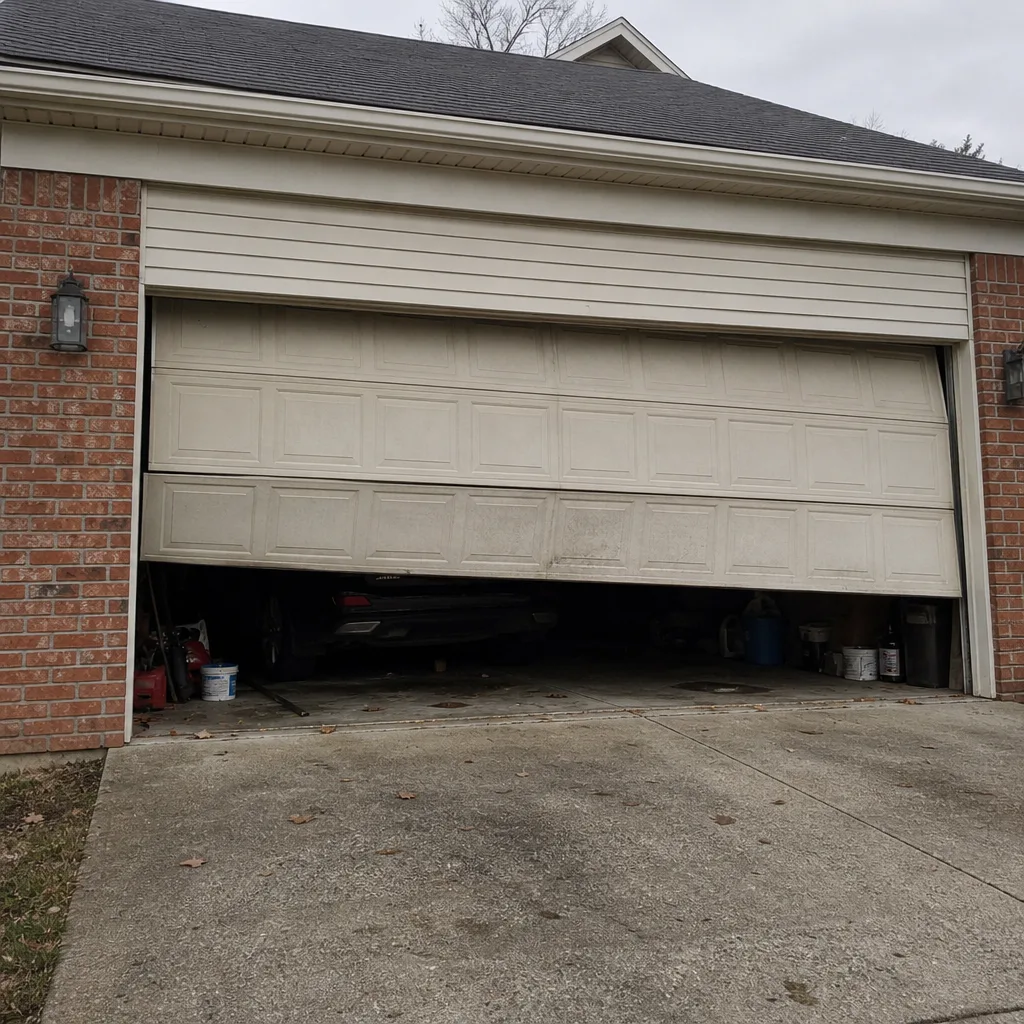
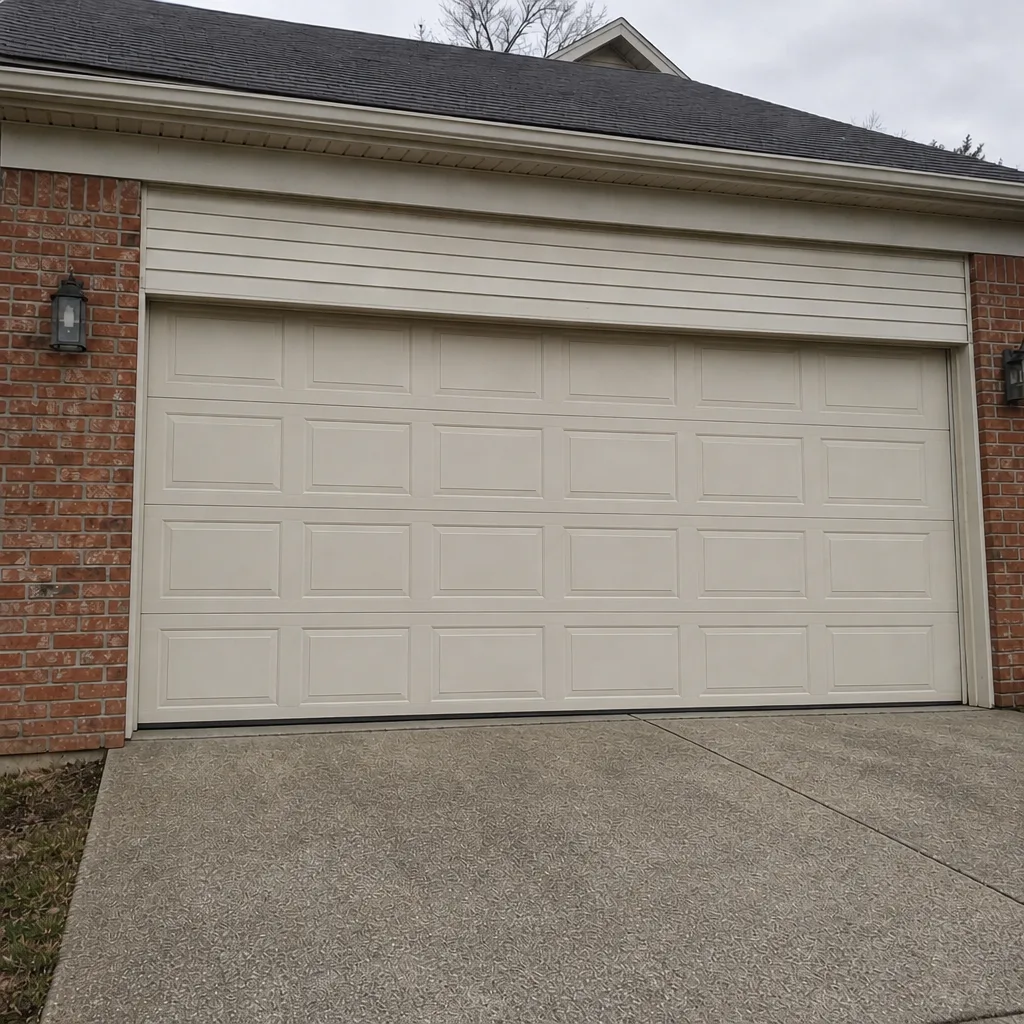
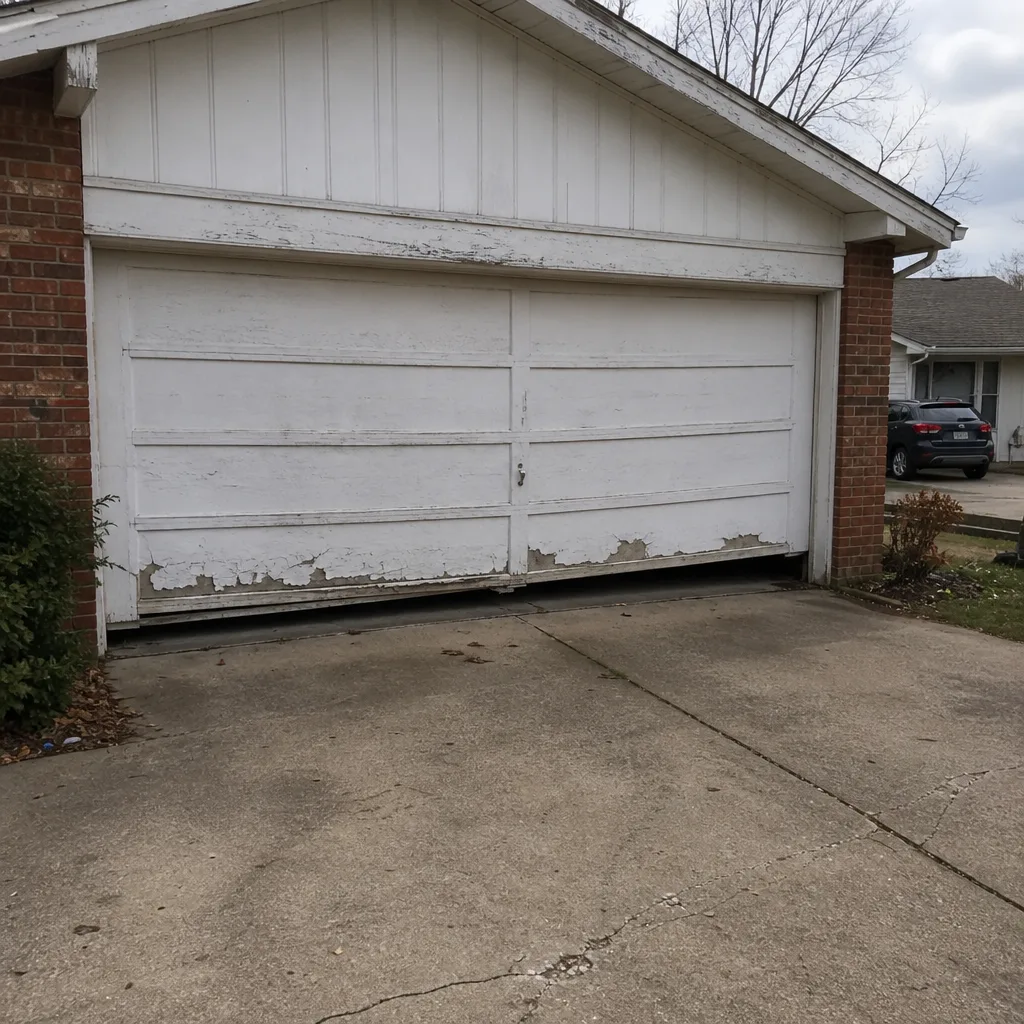
See the difference
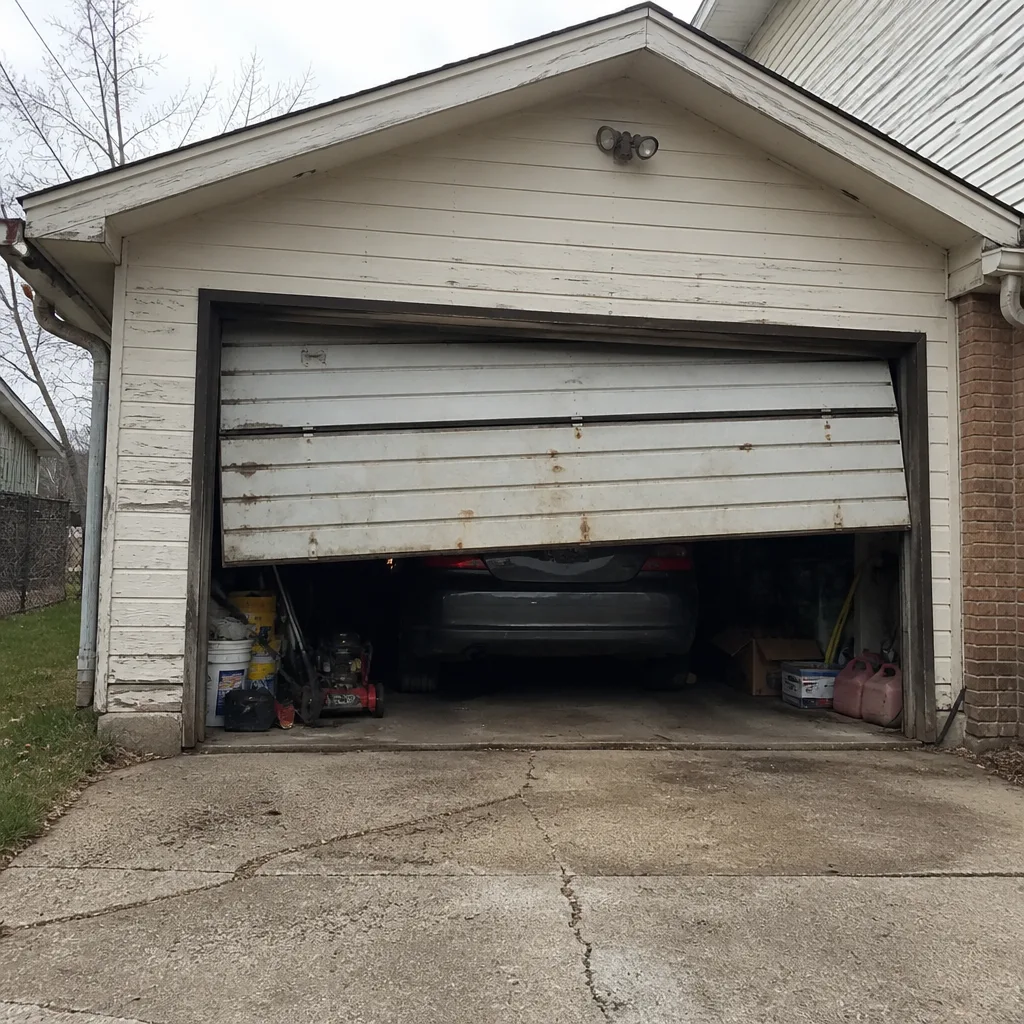 Before
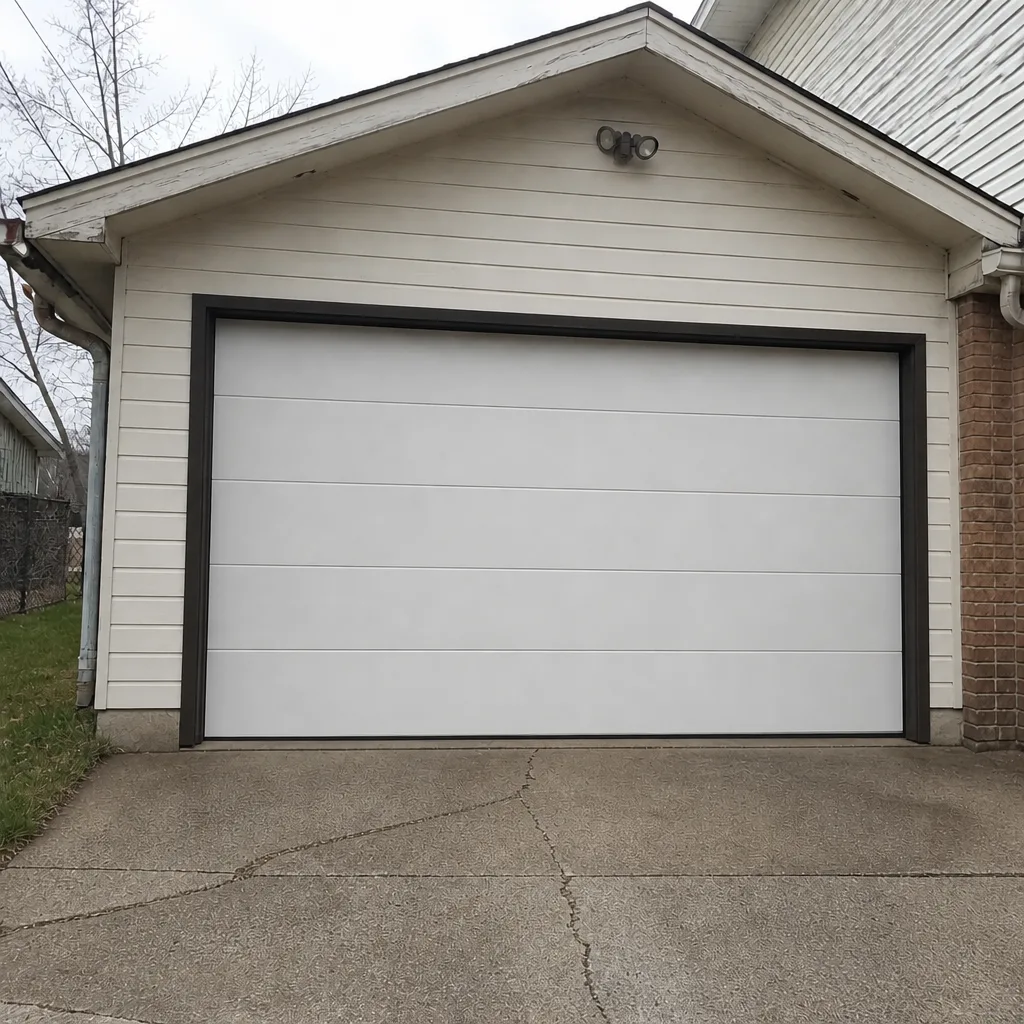 After
 Before
 After
 Before
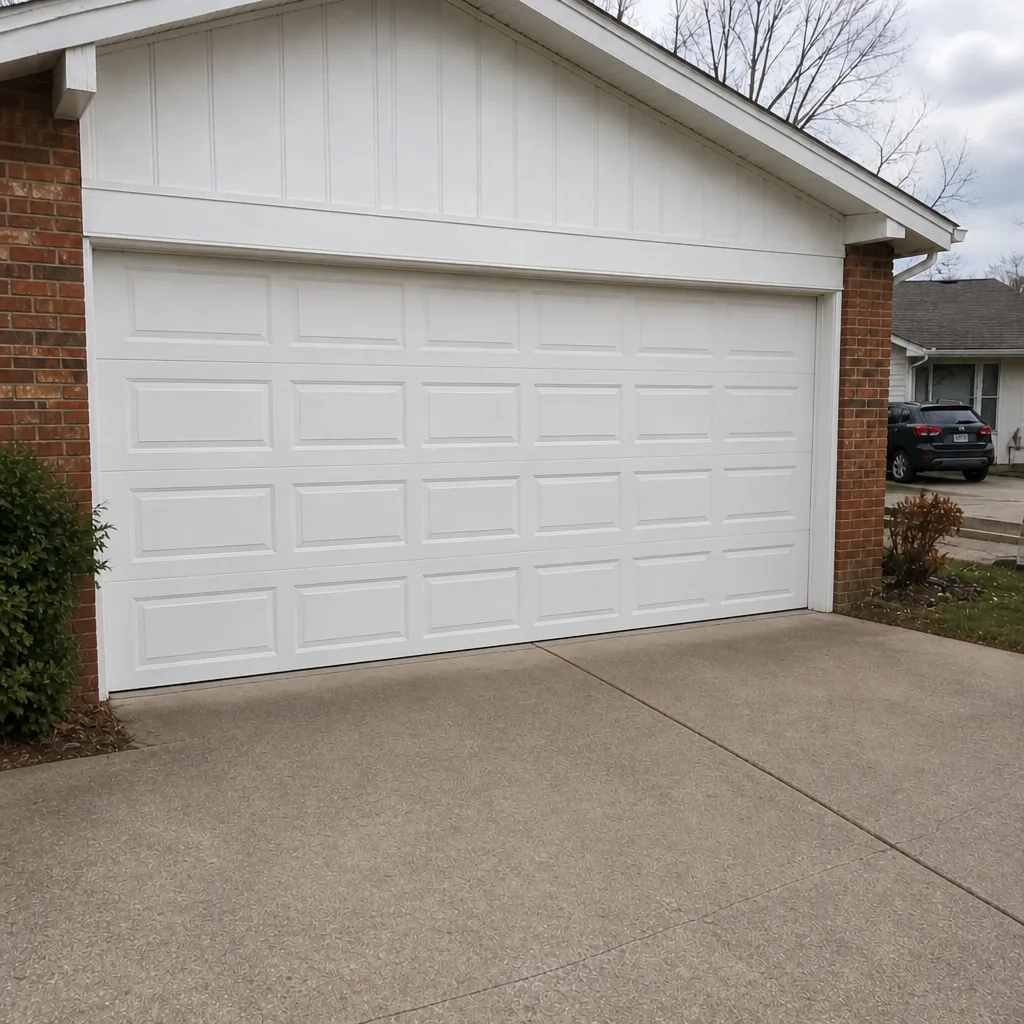 After
When to Call a Professional
Some findings are maintenance items you can log and watch. Others are reasons to stop using the door and call a technician. Call us when you see a visible gap in a torsion spring, a frayed or slack cable, a door that no longer holds in the balance test, or a door that won’t reverse on contact. Those point to spring, cable or opener faults that carry real risk. A single loud bang from a resting door is another clear signal: stop using the opener and call. Our technicians have up to 11 years of experience with the components that fail most often, and we can diagnose whether it’s the spring, the opener, a panel or the hardware. Florence Garage Door Repair Pros offers free estimates in Florence. Call (844) 681-4337. We answer 24/7. Fast dispatch from 7am to 7pm, Sunday through Friday.
Frequently Asked Questions
Twice a year is the right rhythm for Florence: once in late spring before the humidity peaks and once in late fall before the first freeze. Those two passes cover the temperature swing and moisture cycle that stress hardware here. Add an extra look any time you hear a new sound or notice a change in movement.
You can safely lubricate rollers, hinges, bearing plates and the torsion shaft bearings yourself with a light silicone or white lithium spray, applied sparingly. Skip the tracks, which stay clean and dry, and never lubricate or adjust the springs or cables. If hardware looks seized or rusted, call a technician to assess it. Call (844) 681-4337 for an exact quote on any repair; estimates are free.
Spring and opener issues top the list, and they often get confused with each other. A door that feels heavy or strains to open usually has a spring losing tension, while a door that reverses or jerks points to a sensor or opener fault. Our technicians have up to 11 years of experience telling them apart, so the fix targets the real cause.
Stop using the door and inspect it first. Grinding often means a seizing roller or hinge, or the door rubbing a misaligned track, and continuing to run it can damage panels and hardware. If you can’t identify the cause safely, call us and we’ll diagnose it. We answer 24/7, with fast dispatch from 7am to 7pm, Sunday through Friday.
No. We quote and agree on the price before any work starts, and the written estimate sets the final price. That’s true whether it’s a simple lubrication and adjustment or a spring replacement. Call (844) 681-4337 for a free estimate.
Call us and we’ll book a technician to make it safe and get it working. A stuck door, especially one left open, can be a real security concern, so we prioritize getting a trained technician to it. We answer 24/7, and a call outside dispatch hours is booked into the next opening, Sunday through Friday, 7am to 7pm. We work on the major brands, from LiftMaster and Chamberlain openers to Amarr and Clopay doors.
Yes, in most cases. We’re certified to service eight major garage door and opener brands, including Chamberlain, Genie, Clopay, Amarr, LiftMaster, Wayne Dalton, Craftsman and Raynor, which covers most residential systems in Florence. You won’t get a referral runaround because the brand doesn’t match; the same technician handles the door and the opener.
The Bottom Line
A good maintenance checklist doesn’t just hand you tasks. It teaches you what normal looks like, so you can read the clues before a small issue becomes an emergency call. Run the pass/fail checks on springs, cables, rollers, tracks and your opener twice a year, timed to Florence’s humid summers and freezing winters. Lubricate the right parts with the right product, keep the tracks clean and dry, and treat a failed balance or auto-reverse test as your signal to call. Most of what a door tells you is readable if you know the language. And when the read points to springs, cables or the opener, that’s when a trained technician keeps it simple and safe.
Call (844) 681-4337 for a free estimate. We answer 24/7. Fast dispatch from 7am to 7pm, Sunday through Friday.
Written by the team at Florence Garage Door Repair Pros.