
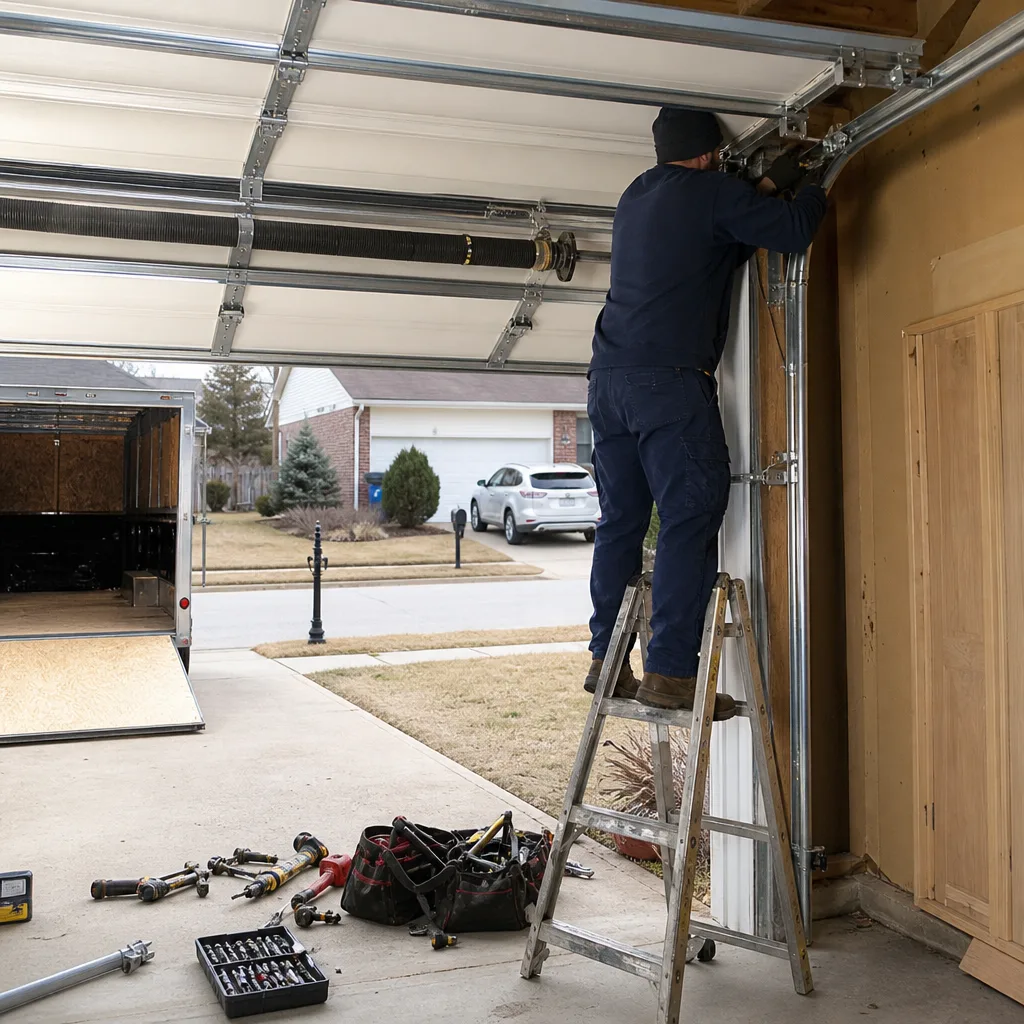
Last updated November 22, 2026
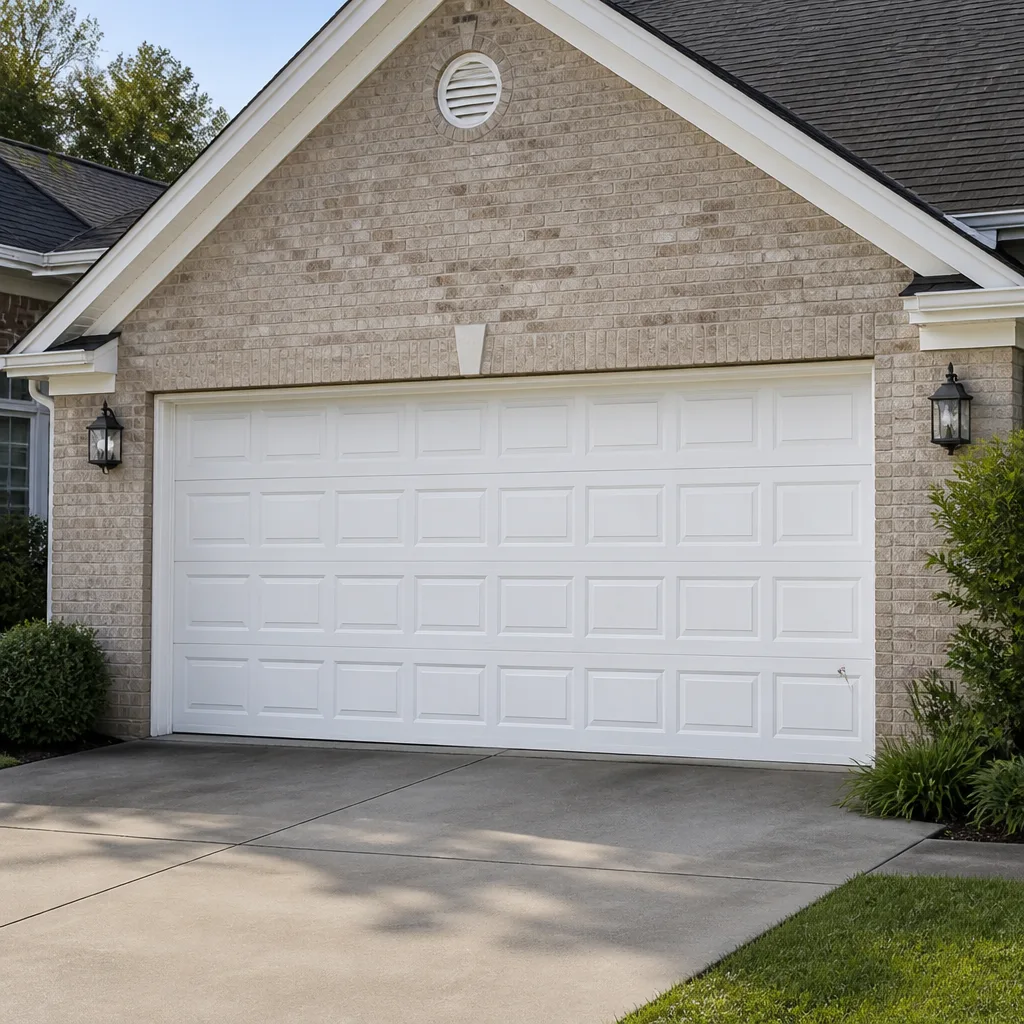 Raised-panel steel
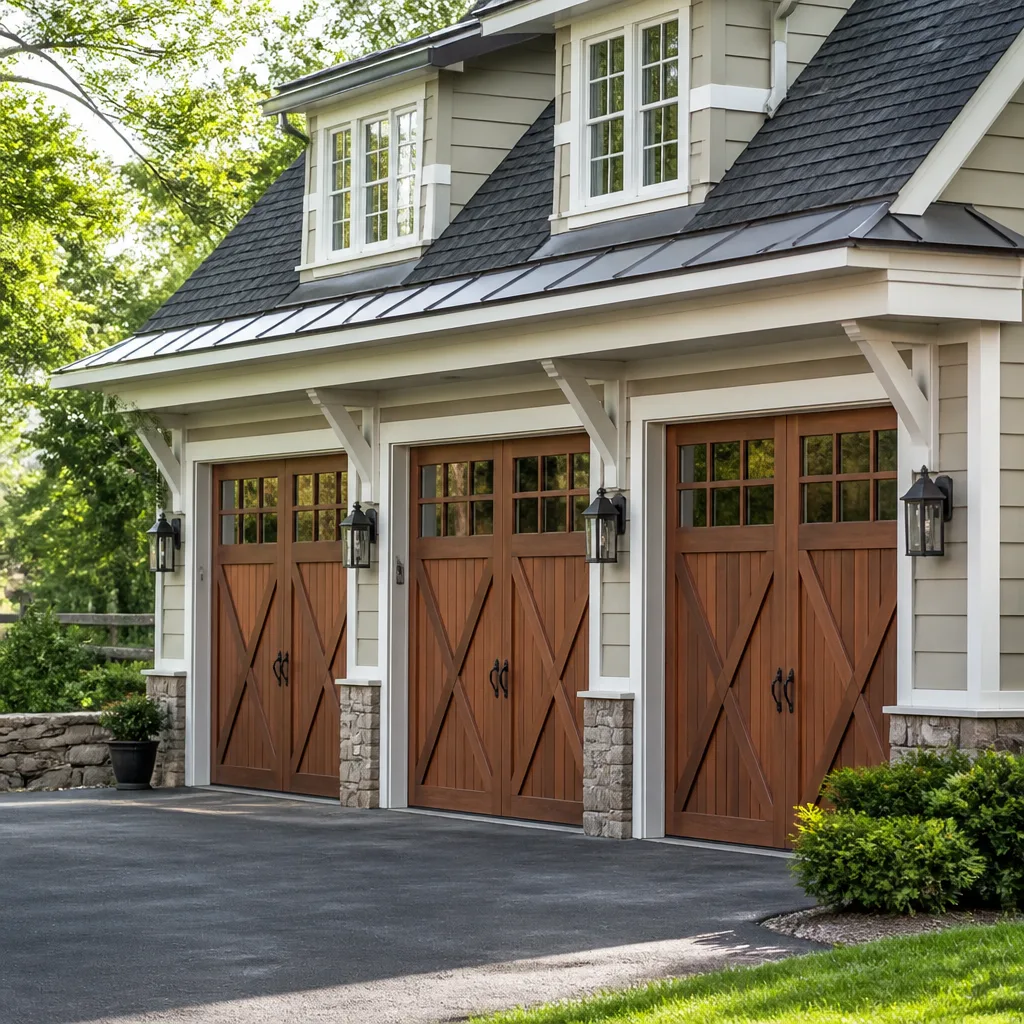 Carriage house
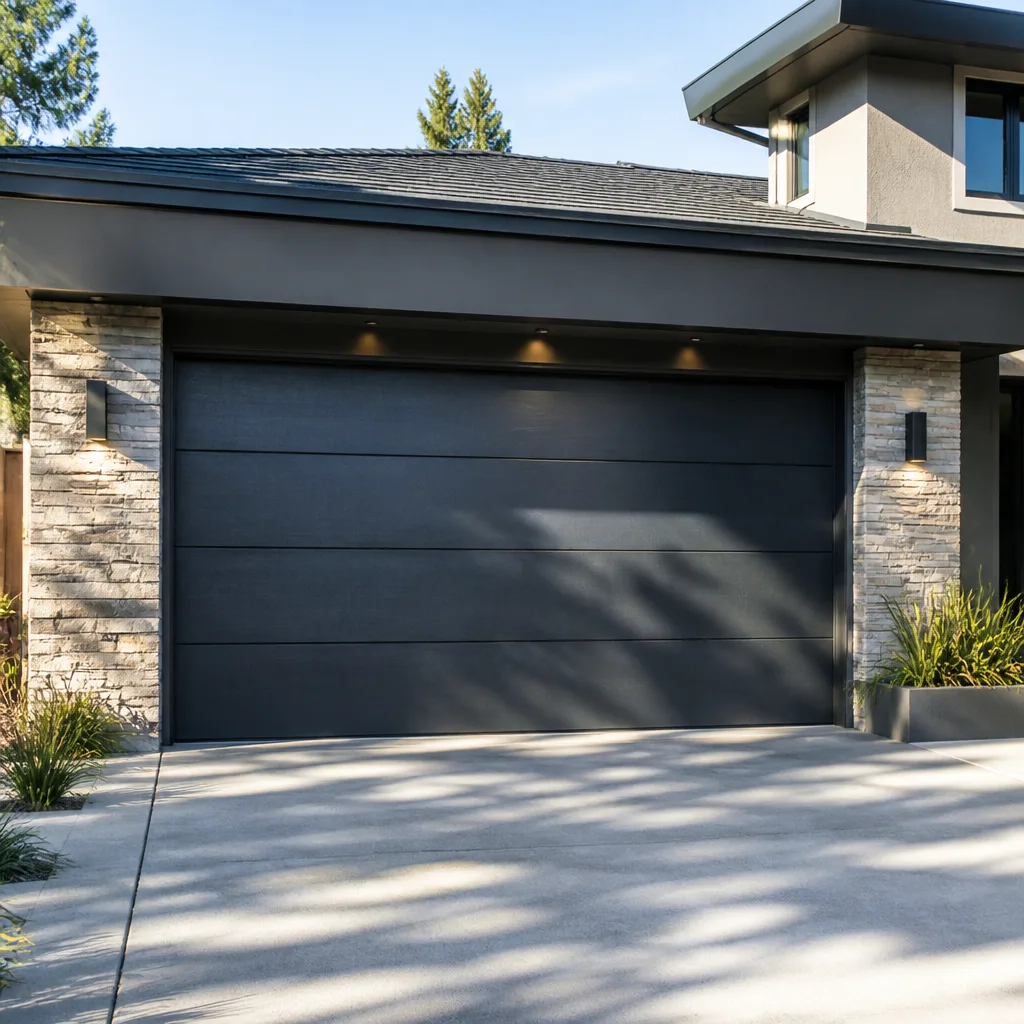 Modern flush
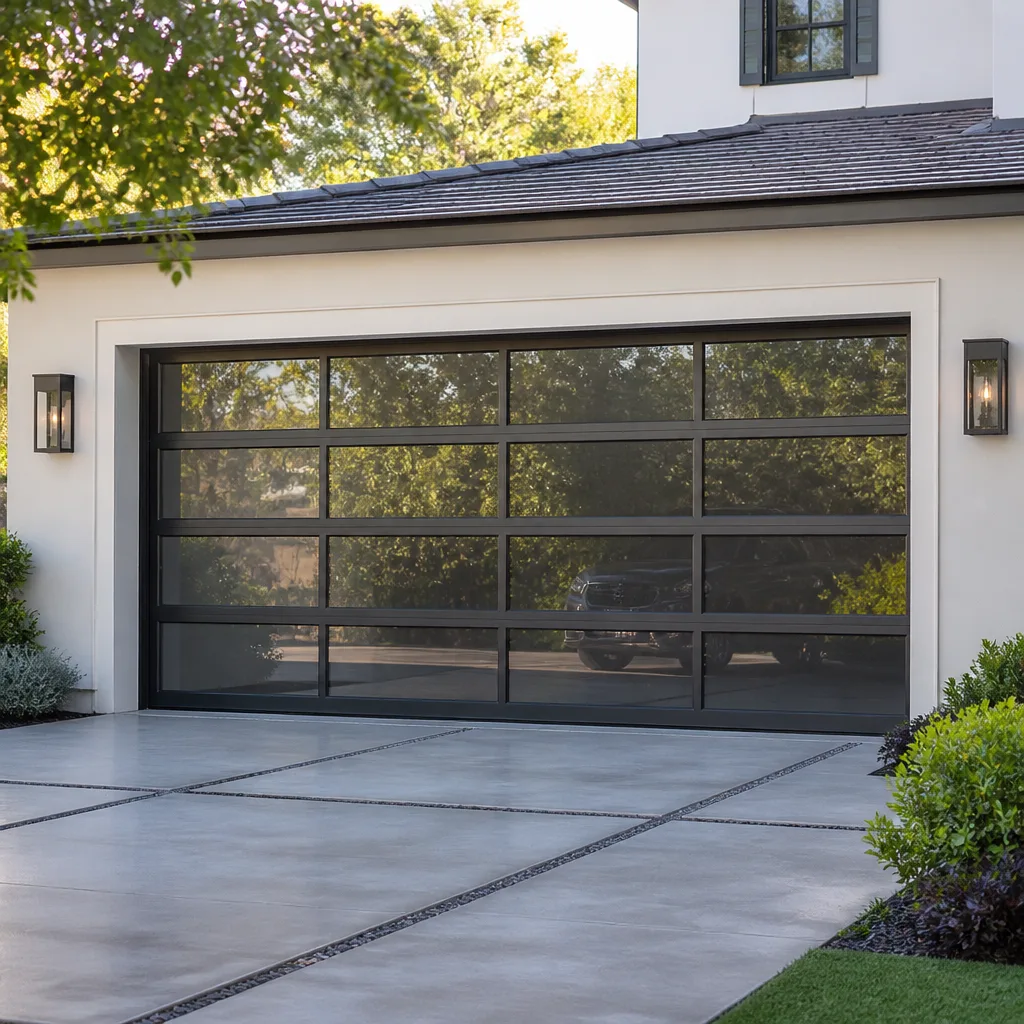 Full-view glass
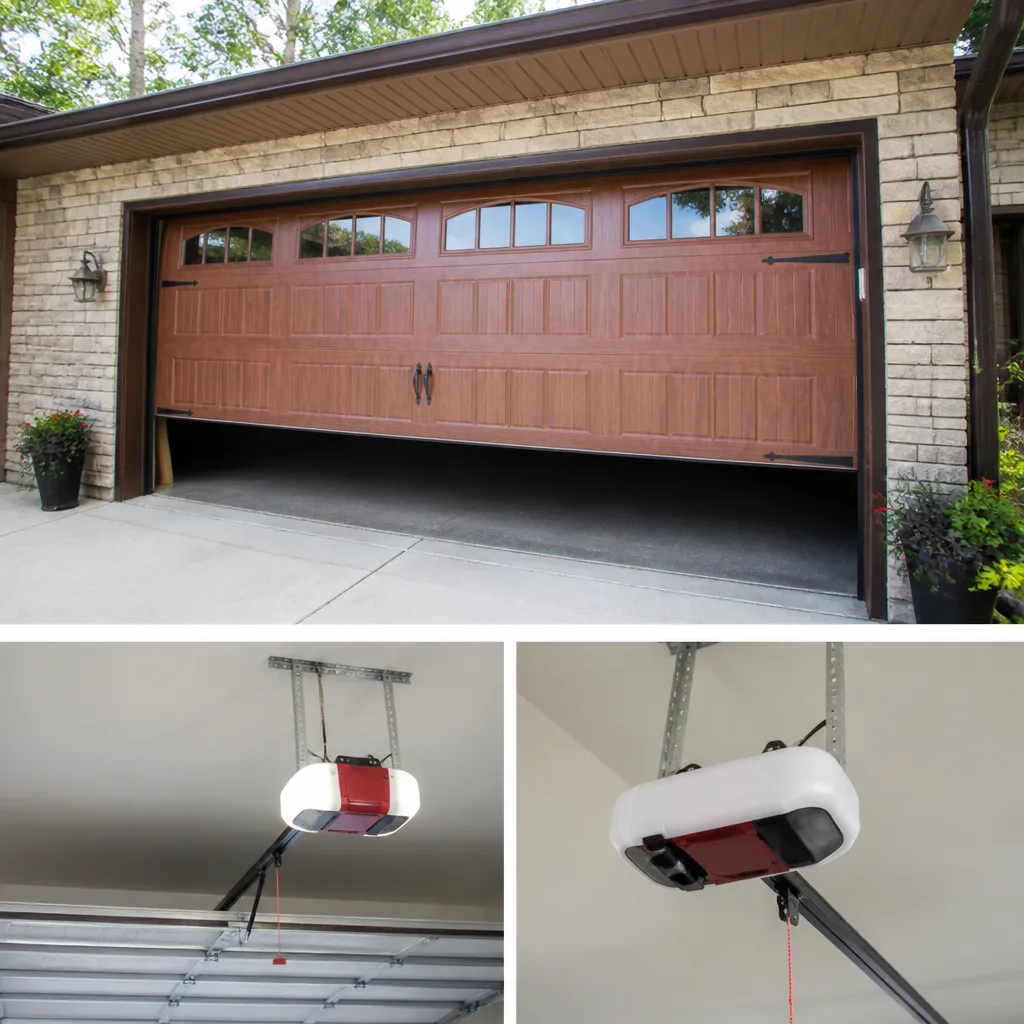 LiftMaster openers
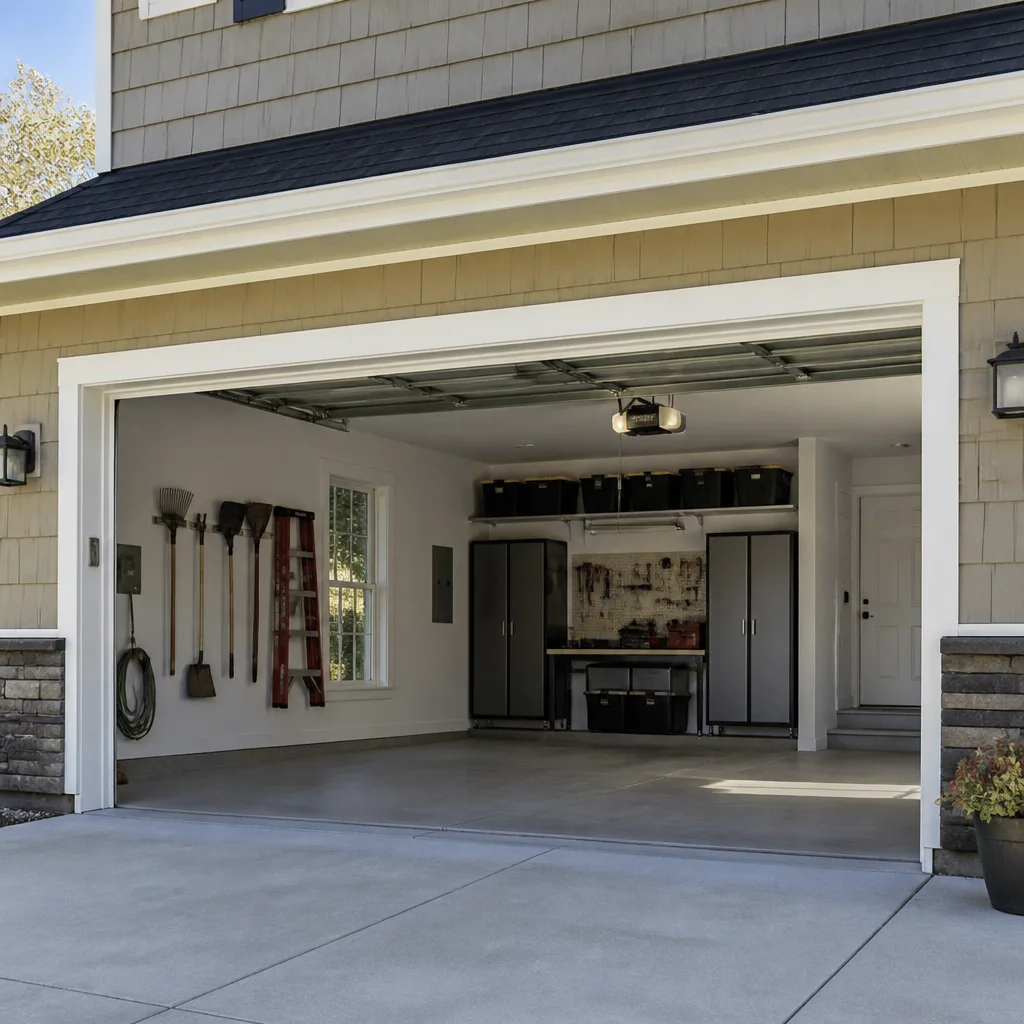 Chamberlain openers
Full 25-point door and opener safety check with every visit - springs, cables, rollers, tracks, and your LiftMaster or Chamberlain opener included
You get a price before we start. It does not change when the pro arrives.
Get your free estimateGarage Door Emergency Preparedness Guide for Florence Homes
Most homeowners assume a garage door emergency is one problem: the door is broken. In practice, it’s three different problems that demand three different responses. A door that won’t open needs one set of steps. A door that won’t close needs another. A door that’s physically damaged – off its track, bent, hanging at an angle – needs a third. People who know which situation they’re facing before it happens stay calm, protect their property, and get their car out without making things worse. This guide walks through all three scenarios for Florence homes, plus the manual release, winter timing, temporary securing, and what to have ready before you call.
Quick Answer
Garage door emergencies fall into three categories – won’t open, won’t close, or physically damaged – and each has a different first move. For a door that won’t open, check the opener and then the manual release before anything else. For a door that won’t close, clear the safety sensors and inspect the bottom seal. For a physically damaged door, stop operating it entirely and call for service. Spring, cable, and track failures are not homeowner repairs and should go straight to a trained technician.
Styles & brands we work with
- Raised-panel steel
- Carriage house
- Modern flush
- Full-view glass
- LiftMaster openers
- Chamberlain openers
Table of Contents
- Scenario 1: The Door Won’t Open
- Scenario 2: The Door Won’t Close
- Scenario 3: The Door Is Physically Damaged
- Using the Manual Release Cord Safely
- Getting Your Car Out When the Door Is Stuck Halfway
- Stuck Open in Winter vs. Stuck Closed When You Need to Leave
- How to Temporarily Secure a Door That Won’t Fully Close
- What to Have Ready Before You Call
Scenario 1: The Door Won’t Open
A door that won’t open is usually an opener or power problem first, a spring or cable problem second. Work through this in order, and don’t force anything. A door that resists lifting with the opener and sounds strained is telling you the mechanical system is under load.
- Check the wall control and the remote separately. If the wall button works but the remote doesn’t, the issue is usually the remote battery or the radio receiver, not the door. If neither works, move to step two.
- Look at the opener light and listen. If the unit hums but the door doesn’t move, the motor is running but the drive or the door isn’t. If there’s no sound and no light, check the breaker and the outlet the opener is plugged into.
- Look at the springs. If a torsion spring above the door or an extension spring along the side has a visible gap or a hanging coil, the spring has failed. Stop here and call for garage door spring repair. A broken spring means the opener is lifting the full weight of the door, and running it will burn out the motor or snap a cable.
- Check the lock and the slide bolt. A manual lock that’s engaged will stall the opener on the first pull. It happens more than people admit.
- Check the safety sensors. If the beams are blocked or misaligned, some openers will refuse to open. Wipe the lenses and look for cobwebs, leaves, or a shifted bracket.
If none of that explains it, the opener itself is the likely culprit, and garage door opener repair is the right call. In Florence, we see a share of these on older Clopay and Craftsman setups where the opener is original to the house and the door hardware has aged at a different rate. The opener is often blamed for what’s actually a worn roller or a binding track.
Scenario 2: The Door Won’t Close
A door that won’t close is almost always the safety sensor circuit, the travel limits, or an obstruction. It’s the most common of the three situations, and it’s the one people misdiagnose most often as a “dead opener.”
- Safety sensors first. The two small lenses at the bottom of the tracks, about six inches above the floor, need a clear line of sight to each other. A single leaf, a recycling bin edge, or a sunbeam hitting one sensor can stop the close cycle.
- Check the indicator lights on the sensors. Most units have a small LED on each. One steady and one blinking usually means misalignment, one dark means no power to that sensor, and both blinking is often a wiring fault.
- Look at the bottom seal and the floor. If the rubber seal is frozen down, crushed, or hanging loose, the door may sense resistance and reverse. In a Florence winter, a seal that’s taken on water and re-frozen will do this regularly.
- Check the travel limits on the opener. If the door reverses a few inches above the floor, the down limit may have drifted. This is an opener adjustment, not a door repair.
- Look for an obstruction in the track. A small rock, a screw, or a bent track section will stop travel at the same point every time. If the door stops in the same place on every cycle, that’s the clue.
The one thing not to do: don’t hold the wall button down and force the door closed. That bypasses the safety circuit and can trap a person or an animal, and it puts pressure on hardware that may fail under load. If the sensors check out and the door still won’t close, that’s a job for a technician.
Scenario 3: The Door Is Physically Damaged
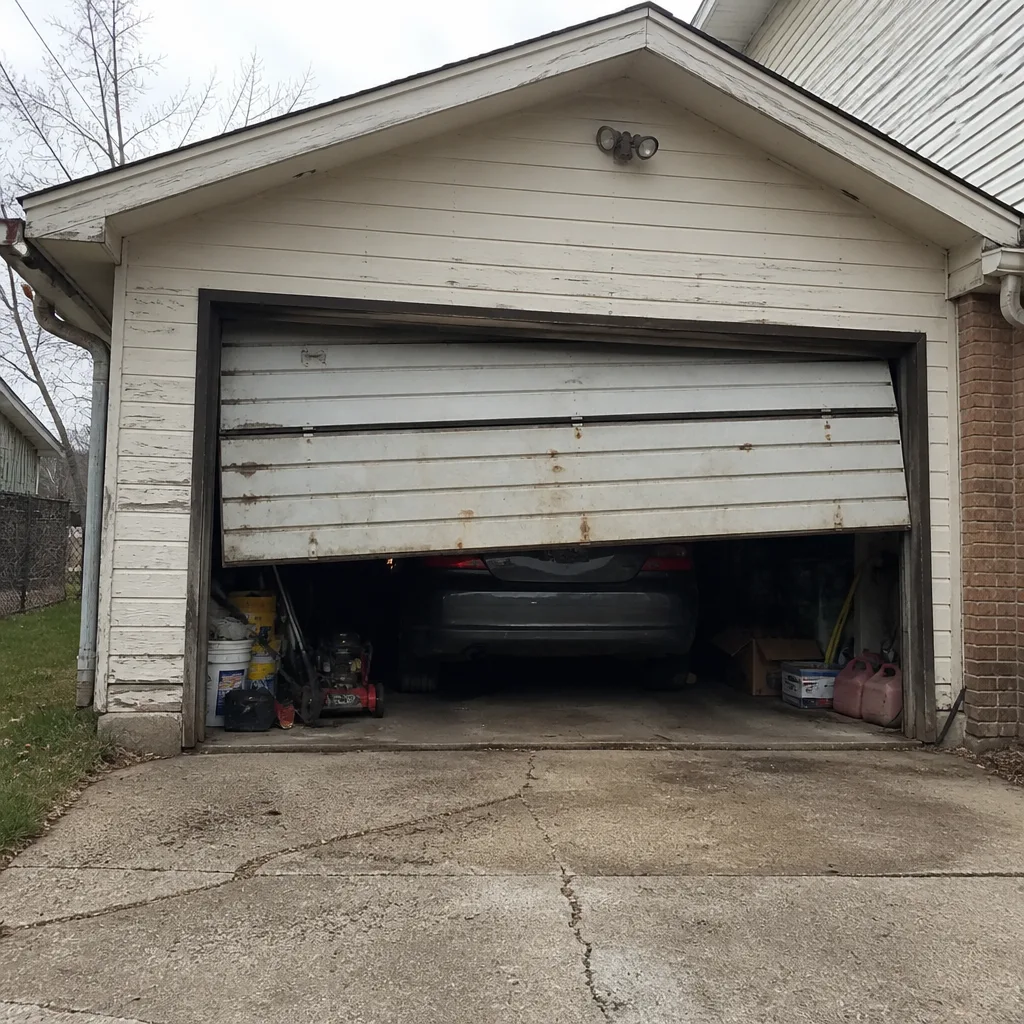
Physical damage is the one situation where the correct first move is almost always the same: stop operating the door and stop touching it. A door that has jumped its track, has a bent panel, or is hanging at an angle is under unbalanced load, and a panel or cable can let go without warning.
Signs that qualify as physical damage, and not just a malfunction:
- The door is visibly tilted, higher on one side than the other.
- The door has come out of the vertical track or the horizontal track.
- A panel is bent, creased, or separated from the stile.
- A cable is slack, frayed, or hanging off a drum.
- The door is stuck open or partially open and won’t respond to the opener.
When any of these are true, do not run the opener, do not try to lift or lower the door by hand, and do not “help” it back onto the track. In our experience, most of the serious damage we see on damaged doors in Florence happens in the ten minutes after the failure, when someone tries to force a fix. A Wayne Dalton or Amarr sectional that’s off-track can often be repaired if it’s stopped early; once a panel has been levered back and the stiles are bent, replacement becomes the better path. This is where calling garage door repair early saves money and, more to the point, keeps people out of the way of a moving door under load.
Using the Manual Release Cord Safely
The manual release cord exists to disconnect the door from the opener so it can be operated by hand. It’s the right tool in some situations and a genuinely dangerous one in others. Knowing which is which is the whole point.
When to use it: the opener has failed electrically, the door is fully closed, and you need to open it by hand to move a car or reach the garage. The door must be in the fully closed position before you pull it.
- Door fully closed. Never pull the cord with the door open or partially open. If you disconnect the door while it’s up, the spring system is no longer balanced by the door weight and the door can slam down.
- Check what’s over your head. The cord hangs from the carriage on the rail. Confirm no one is under the door.
- Pull straight down and hold the door. Pull the cord firmly once and keep a hand on the door. The door will now be free of the opener.
- Lift slowly. Lift the door by the bottom section, using your legs. If the door feels heavier than you can lift comfortably, stop. A door that’s too heavy to lift by hand is a sign the springs are weak or the door is unbalanced.
- Reconnect carefully. To reconnect, close the door fully, then pull the release cord (or the carriage lever, on newer openers) to re-engage. Run the opener once through a full cycle to confirm it re-latched.
The situation most homeowners don’t think about: disconnecting the door is safe when the door is closed and dangerous when it’s open. If the door is stuck open and you pull the release, the door becomes an uncontrolled weight. That’s the exact moment we get called for emergency service, and it’s the moment when the right answer is to leave the release alone and call for help. Refer to a technician before you use the manual release on a door that’s already off-balance or damaged.
Getting Your Car Out When the Door Is Stuck Halfway
This is the scenario almost nobody plans for. The door has failed halfway down, your vehicle is inside, and you have somewhere to be. There is a safe sequence, and it starts with not touching the door.
- Stop the opener. Unplug the opener from the wall outlet or turn off the breaker feeding it. This removes any chance the opener will cycle or reverse while you’re working.
- Look at the door and the springs. Stand clear and look at the springs, the cables, and the track. If a spring is broken, a cable is slack, or a panel is bent, do not attempt to move the door by hand. The door is unbalanced and can drop.
- If the door and springs are intact, use the manual release. With the door halfway, this is a two-person job if possible. One person pulls the release; the other supports the door at its bottom edge while walking it up slowly by hand.
- Lift the door to a full open position and hold it there. On a healthy door with intact springs, a full-open position holds on the horizontal track. On a door with weak springs, it may not.
- Back the car out slowly and keep your hands and head clear of the door path. Don’t try to hold the door with your body while the car moves. One person stays with the door, the other drives.
- Do not leave a disconnected door unattended in the open position. If the door won’t hold open, back the car out, then lower the door by hand to within an inch of the floor and prop or secure it as described below until a technician arrives.
If at any point the door feels like it’s carrying weight on its own, stop. That’s a spring or cable failure and it’s a call, not a project. In our experience, the doors that show up stuck halfway with a car inside are usually a broken torsion spring. That symptom is one we handle often in Florence, and it’s the situation where the phone call should come before the car moves.
Stuck Open in Winter vs. Stuck Closed When You Need to Leave
Northern Kentucky winters make both failure modes worse. The door sticking open in winter is a security problem. The door sticking closed in winter is a time problem, and the two call for different priorities.
Stuck open in winter
An open door in cold weather drains heat from the attached garage, puts pipes under the garage at risk, and leaves the house exposed. If the door is stuck open and the opener has power, the priority is closing the door safely. Clear snow and ice from the threshold and from the bottom seal before you try to close it. A seal packed with snow or frozen to the slab will trip the safety reverse. If the door won’t close on its own, lower it by hand with the opener disconnected and engage the lock or brace as described below. If the failure is a broken spring or a snapped cable, don’t force it; leave the door in a position where it can’t drop, and call.
Stuck closed when you need to leave
If the door is stuck closed and the opener is at fault, the manual release is your tool. The door is already closed, the spring is already supporting its weight, and the disconnect is at its safest. Once you’ve disconnected, lift the door by hand slowly and back the car out. If the door is stuck closed and you suspect a broken spring or a snapped cable, don’t lift it; the door is heavier than it feels and the risk of a sudden drop is real. Call for help, and plan on a same-day visit if the technician is available. If you’re already dealing with a car on the wrong side of a broken door, our repair service handles spring, cable, and opener failures together at the same visit.
How to Temporarily Secure a Door That Won’t Fully Close
A door that won’t fully close is a security hole. It doesn’t need to be fixed to be secured; it needs to be held until a technician is on site. Here’s what works, and what doesn’t.
What works:
- Engage the manual slide bolt or lock if the door has one. Most residential doors have a lock bar or slide bolt on the inside vertical track; engage it on both sides if both are present.
- Use a C-clamp or locking pliers on the vertical track just above a roller on one side, snug against the track so the door can’t travel down past that point. Use two, one on each side, for a door that’s open by more than a few inches.
- Brace the bottom of the door from below with a heavy object placed flat against the inside of the bottom panel, if the gap is small and the door is otherwise supported. This is a short-term hold, not a lock.
- Park a vehicle in front of the door from the inside as a deterrent if the door is open enough to walk through.
What not to use:
- Don’t use screws or nails driven into the track or the door. They damage the rollers, the track, and the panel, and they don’t hold well.
- Don’t use rope, chain, or straps to tie the door down. Under load, rope and chain can slip, snap, or carry the door down with them.
- Don’t wedge a chair or a board under a partially open door and walk away. A door under spring tension can crush it or shift it, and the door follows.
- Don’t leave the opener engaged on a door that’s blocked open. The opener will keep cycling against the obstruction and can burn out the motor or damage the drive.
None of these are substitutes for repair. They’re what gets you through the night in a Florence home until a technician arrives. Call Florence Garage Door Repair Pros when you’re ready to have the door properly closed and secured.
What to Have Ready Before You Call
The faster you can describe the failure, the faster a technician can prepare the right parts and tools. In our experience, the calls that go smoothest are the ones where the homeowner already knows five details. Have these ready before you pick up the phone.
- What the door is doing. “Won’t open,” “won’t close,” “stopped halfway,” “off the track,” “bent panel.” Pick the closest one. Specific beats “it’s broken.”
- What you can see. Broken spring (a visible gap in the torsion spring or a hanging extension spring), slack or frayed cable, bent track, damaged panel, loose hinge. Stand at the door and look.
- The brand of the door and the opener, if you know it. The brand on the door panel is often on the inside edge. The opener brand is on the motor housing. We work on the eight major brands – LiftMaster, Chamberlain, Genie, Clopay, Amarr, Wayne Dalton, Craftsman, and Raynor – so the brand helps us load the call correctly.
- The age and type of the door. Sectional vs. one-piece, wood vs. steel vs. aluminum, insulated vs. not. Roughly how old. It helps decide repair vs. replace.
- Where the door is and whether the car is trapped. If the car is inside and you need it out, say so on the call. If a person or animal is under the door, say that first.
Two more things that make a difference: whether the opener light is on, and whether the safety sensor LED lights are steady or blinking. Those two details alone tell us a lot before we arrive.
Common Mistakes to Avoid
- Forcing a door that’s stuck. Repeatedly hitting the wall button on a door that won’t move will overheat the opener motor and can snap a cable under tension. Stop running it and diagnose first.
- Pulling the manual release while the door is open. The door is no longer balanced by the spring, and it can drop without warning. Disconnect only with the door fully closed, unless a technician tells you otherwise.
- Holding the wall button down to force a close. That bypasses the safety sensor and defeats the whole point of the sensor. If the door won’t close, find the obstruction or call.
- Trying to re-seat a door on its track by hand. Off-track doors are under tension and the panel, cable, or door can fail on the person doing it. This is one of the top causes of injury we hear about in Florence.
- Using screws, nails, or straps to “secure” a door that won’t close. They damage the track and the panels and can fail under load. Use a C-clamp on the track or a manual lock, and get it repaired.
- Ignoring a bent track. A small bend that seems harmless is a recurring roller failure and often a door-reversal issue months later. Fix it early.
- Buying a new opener before the door itself has been checked. A worn spring or a binding track makes a perfectly good opener look dead. Have the door inspected before replacing the opener.
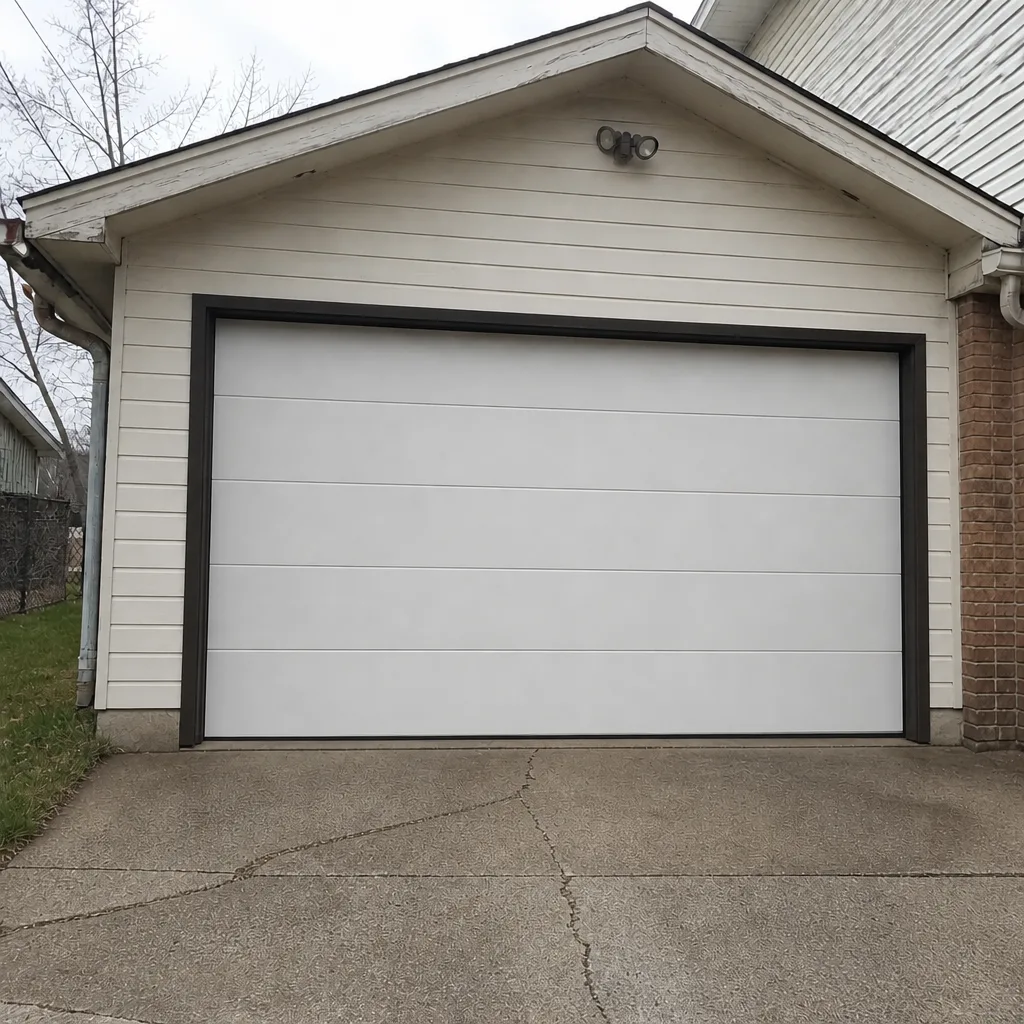
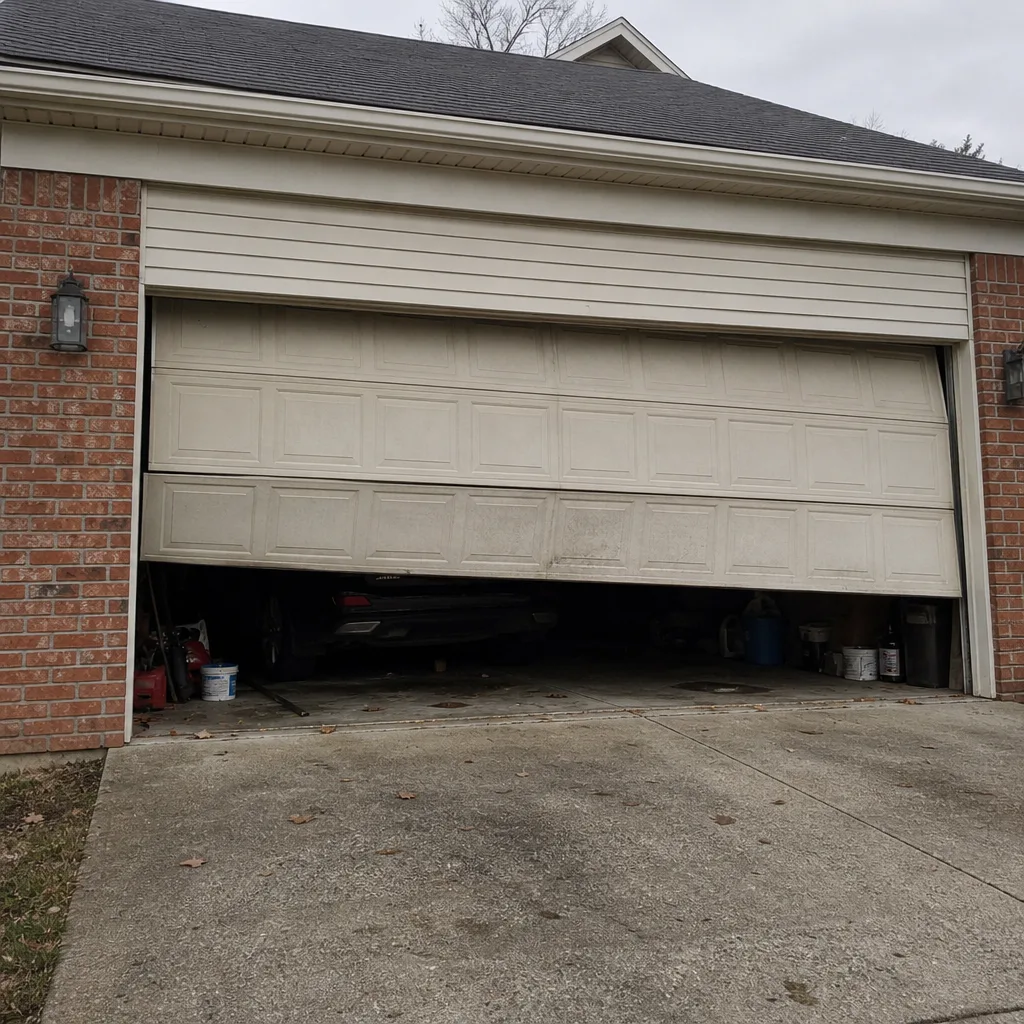
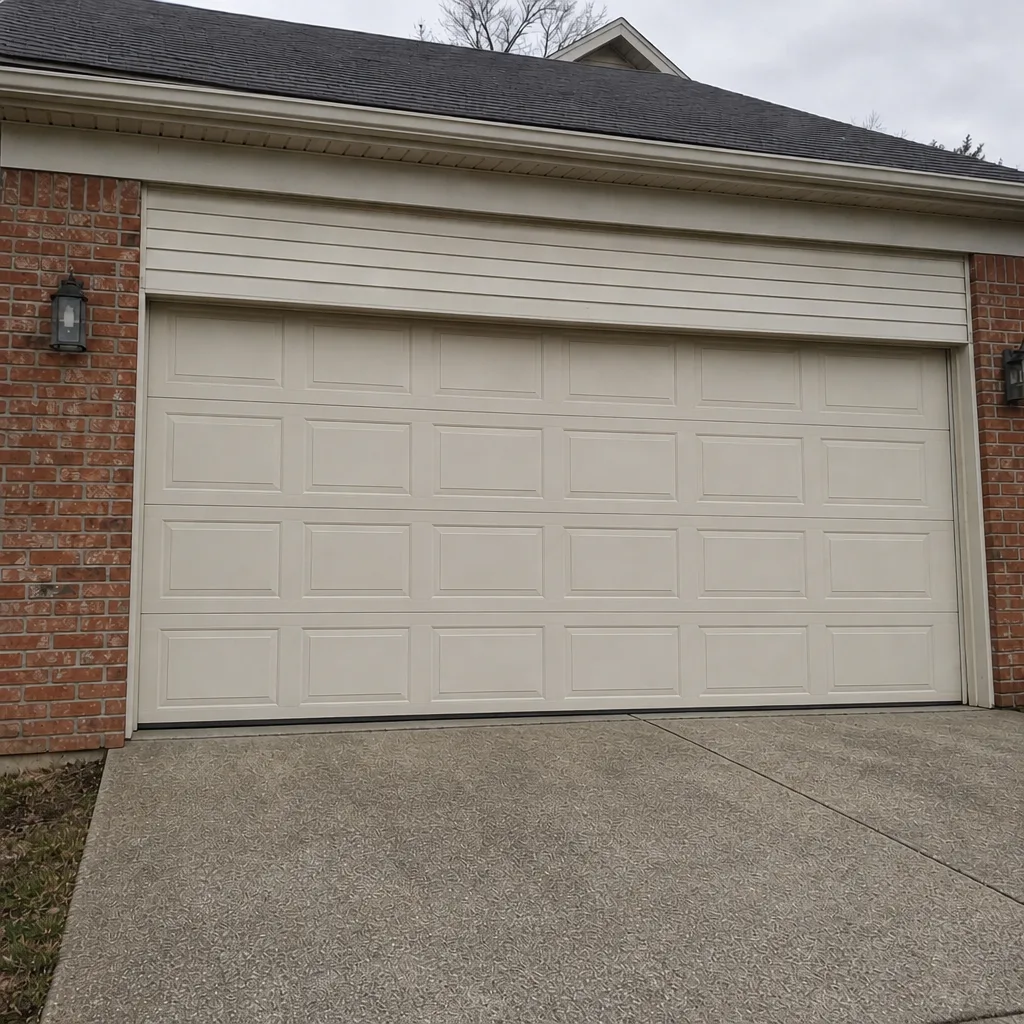
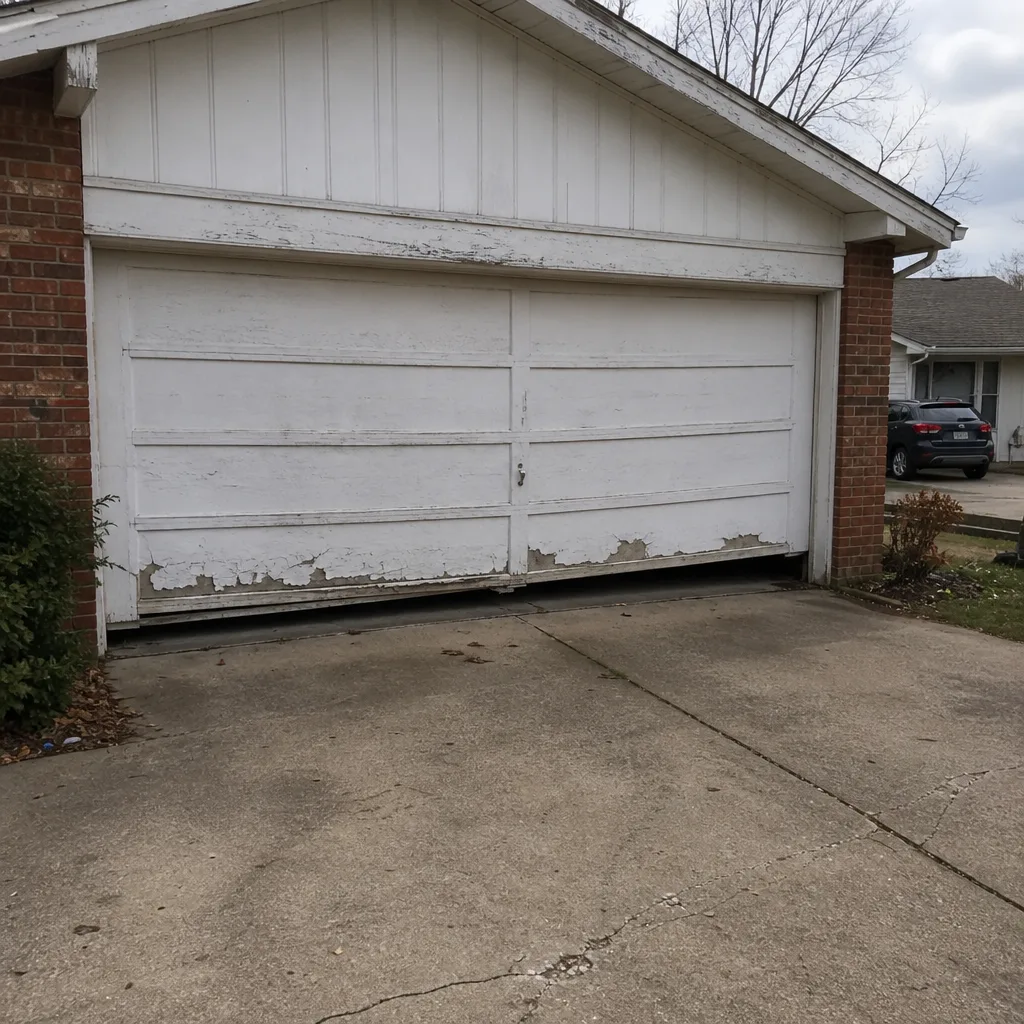
See the difference
 Before
 After
 Before
 After
 Before
 After
When to Call a Professional
Call a professional immediately when the door is off its track, a panel is bent or separated, a spring or cable has failed, the door has dropped or slammed, or the door is stuck open in a way that can’t be safely secured. Call for repair when the opener hums without moving, the door reverses without an obstruction, the sensors won’t stay aligned, or the door is heavier than it should be by hand. Anything involving springs or cables is not a homeowner repair; those parts are under extreme tension and can cause serious injury if they release unpredictably. Diagnostics are a trained technician’s job, and the same visit is where the fix happens. Florence Garage Door Repair Pros works on the major door and opener brands – including Craftsman, Clopay, and Amarr – so you don’t get referred out mid-repair. We answer 24/7. Fast dispatch from 7am to 7pm, Sunday through Friday. Free estimates in Florence – call (844) 681-4337.
Frequently Asked Questions
Check the wall control and remote separately, then look at the springs for a visible gap or hanging coil before anything else. If a spring is broken, stop running the opener and call for spring repair; the opener is lifting the full weight of the door and will damage itself or a cable. If the springs look intact, check the lock, the sensors, and the breaker. The fastest path to a fix is to describe what you see when you call (844) 681-4337.
Yes, if the door is fully closed and the springs are intact. Pull the manual release cord straight down, then lift the door slowly by the bottom section. Never pull the release with the door open or partially open, because the door is no longer balanced by the spring and can slam down. If the door is too heavy to lift by hand, stop; that’s a sign the spring system needs attention.
Engage the manual lock on the inside track if the door has one, then clamp a C-clamp or locking pliers on the vertical track just above a roller on one side – both sides if the gap is large. Don’t use screws, nails, ropes, or straps; they damage the door and don’t hold reliably. If the door can’t be secured, park a vehicle inside in front of it and call.
Cold weather changes the tolerances of the door, the tracks, and the bottom seal; a seal that’s absorbed water and re-frozen will grip the floor and fool the safety reverse into thinking the door has hit an obstruction. Snow and ice packed in the threshold do the same. Clear the threshold and the seal before trying to open the door, and have the seal replaced if it’s cracked or crushed.
No. Springs and cables are under extreme tension, and a release can cause serious injury even to an experienced homeowner. Torsion springs in particular require the right winding bars, the right technique, and the right understanding of how the door balance works. This is one of the few garage door jobs that should always go to a technician – and in Florence, we treat it as a named specialty, not a general handyman job.
What the door is doing, what you can see (spring, cable, track, panel), the brand of the door and opener if you know it, roughly how old the door is, and whether a vehicle is trapped inside. Mention if a person or animal is under the door. Have ready whether the opener light works and whether the sensor lights are steady or blinking. We answer 24/7, with fast dispatch from 7am to 7pm, Sunday through Friday. Call (844) 681-4337.
The Bottom Line
Garage door emergencies reward preparation. Know which of the three failures you’re facing – won’t open, won’t close, or physically damaged – and the first response becomes obvious. For a door that won’t open, check the opener and springs before running anything. For a door that won’t close, clear the sensors and the bottom seal. For physical damage, stop operating and call. Use the manual release only with the door fully closed. Secure a stuck-open door with a clamp or lock, never with screws or straps. And have the door and opener brand, the visible symptom, and the car situation ready before you dial. Our technicians have up to 11 years of experience with the eight major brands, and we handle spring, opener, and door repair under one roof so there’s no handoff mid-repair. Written by the team at Florence Garage Door Repair Pros.
Need help with a door that won’t cooperate? Call (844) 681-4337 for a free estimate in Florence. We answer 24/7. Fast dispatch from 7am to 7pm, Sunday through Friday.
Written by the team at Florence Garage Door Repair Pros.