
Last updated November 22, 2026
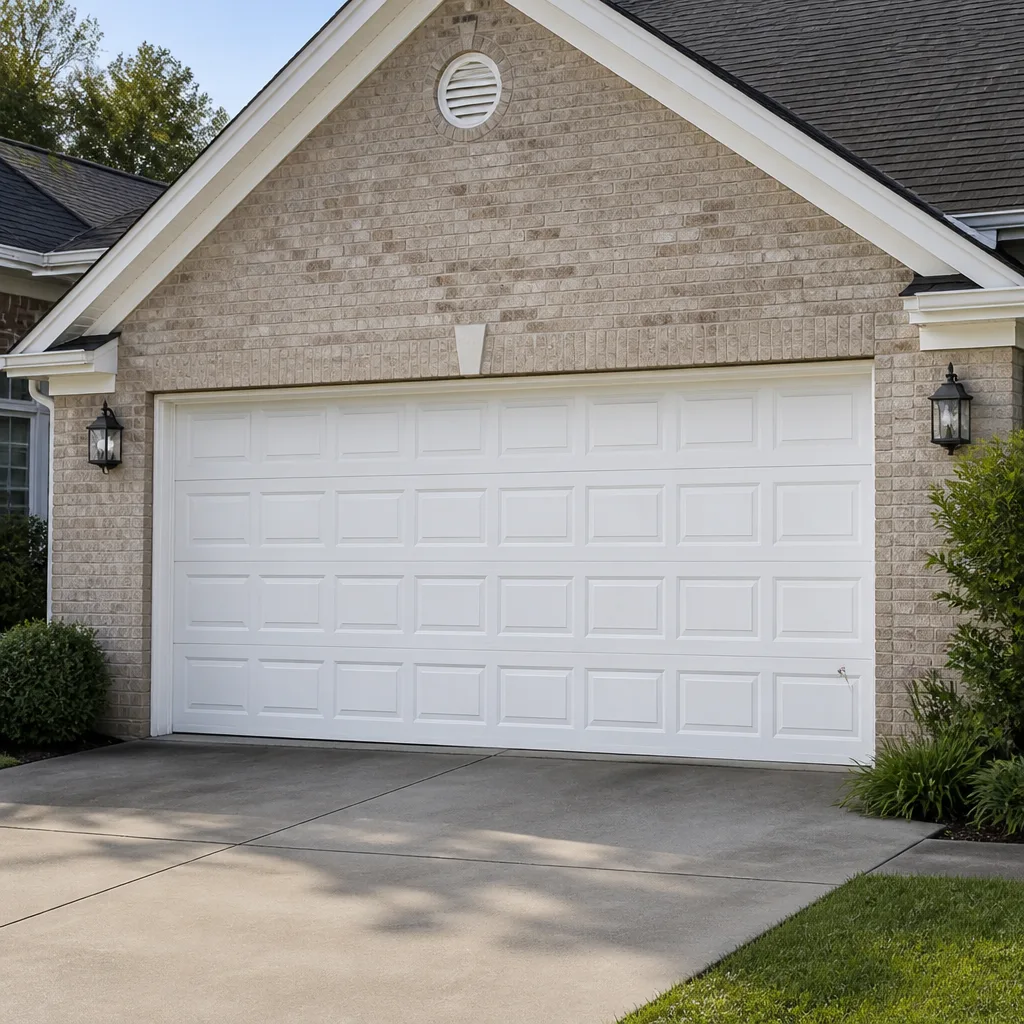 Raised-panel steel
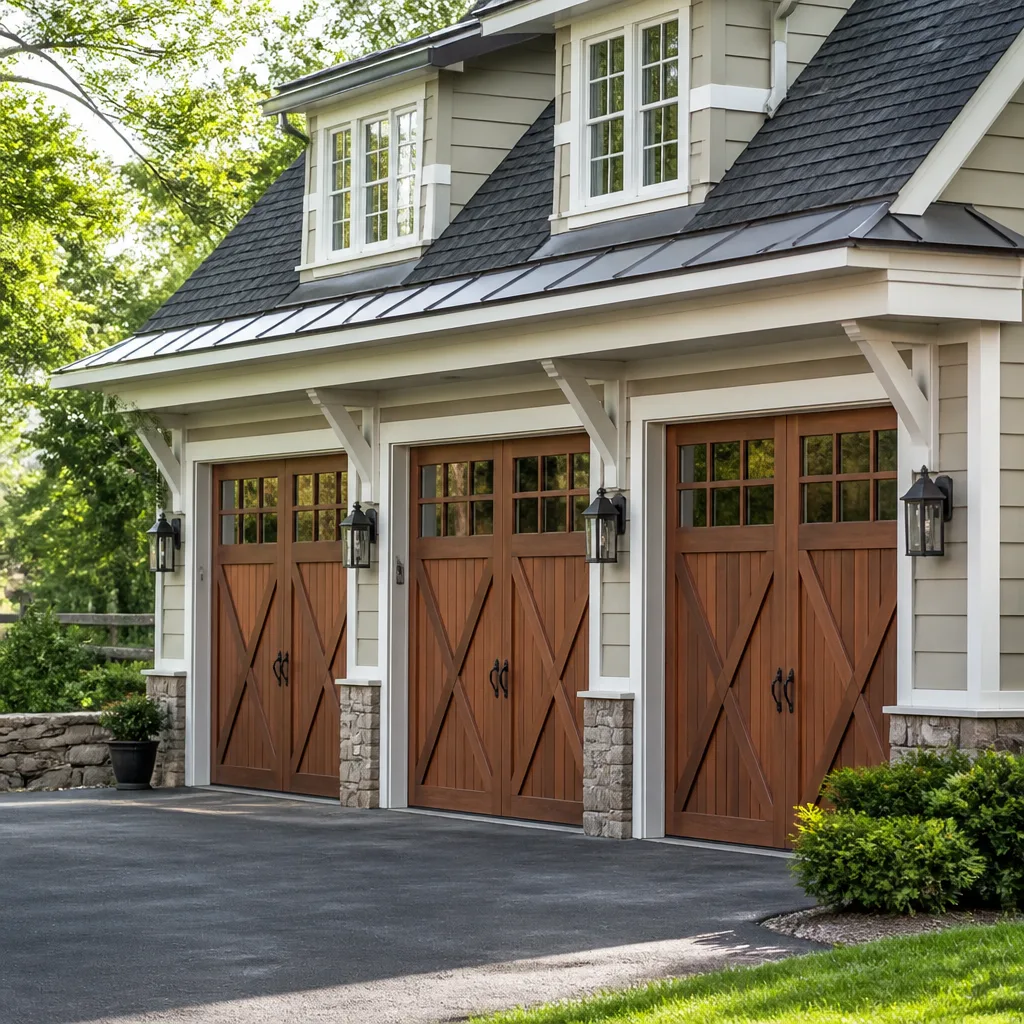 Carriage house
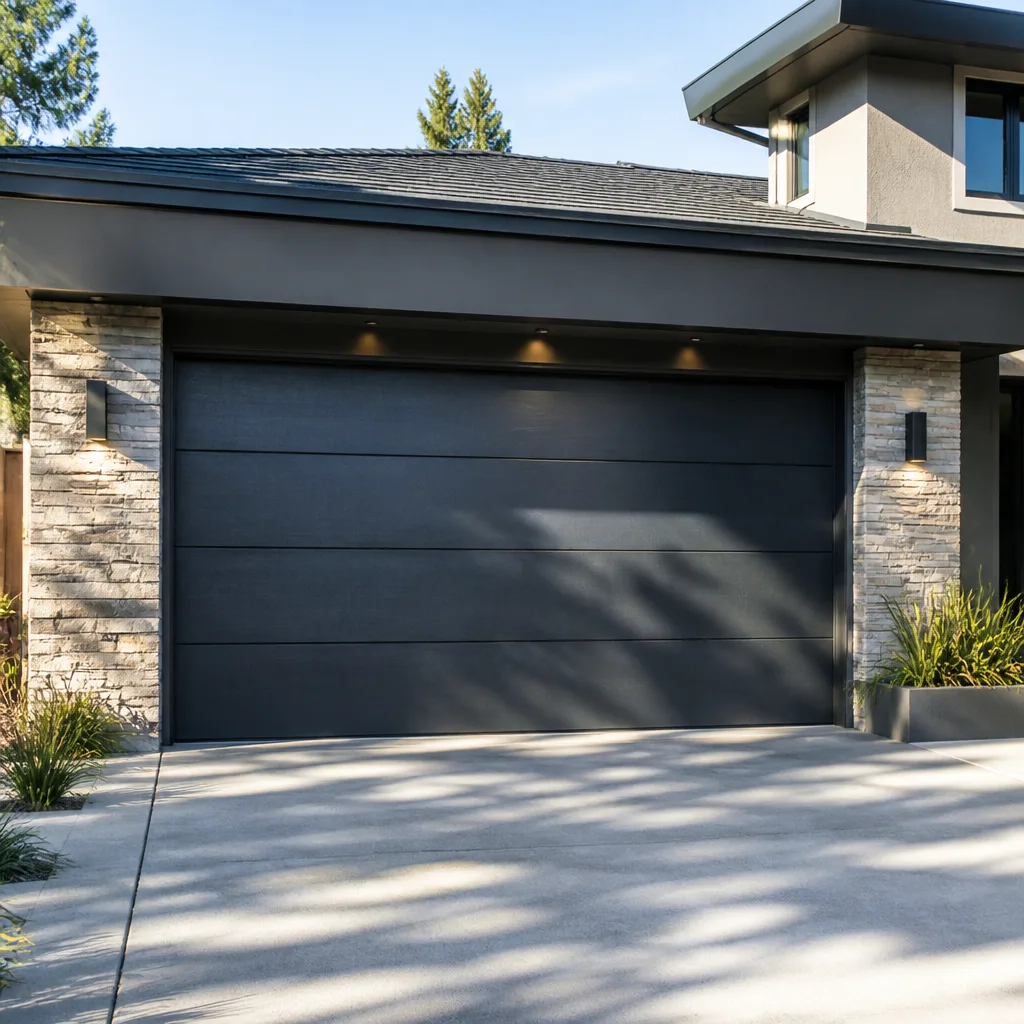 Modern flush
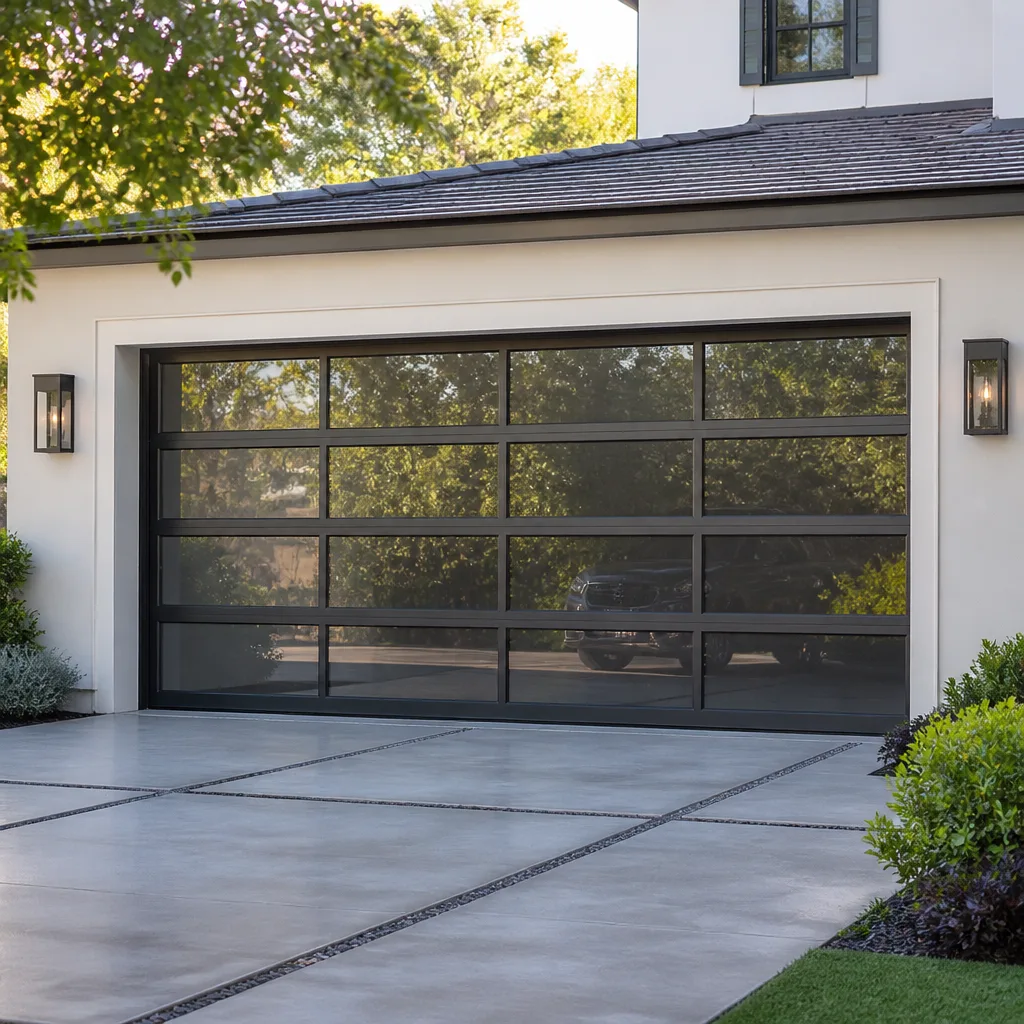 Full-view glass
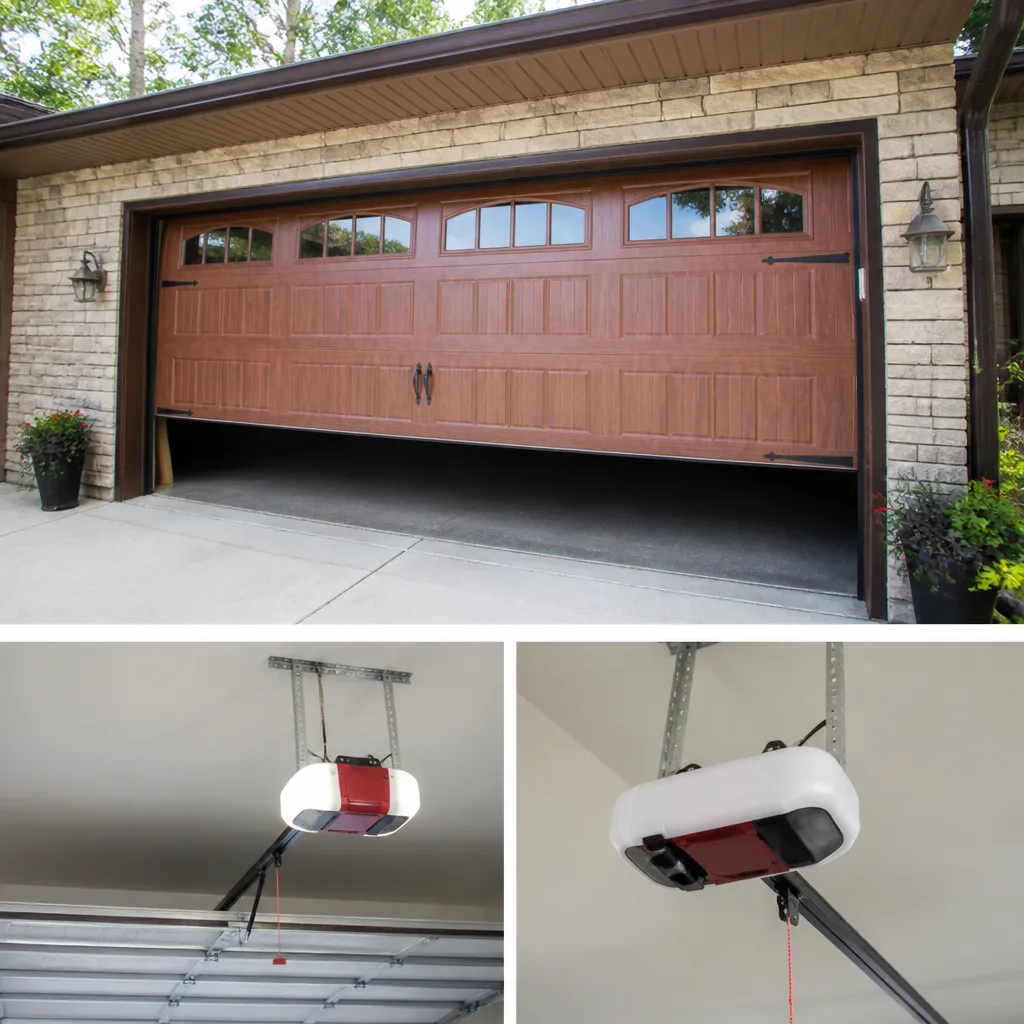 LiftMaster openers
 Chamberlain openers
Full 25-point door and opener safety check with every visit - springs, cables, rollers, tracks, and your LiftMaster or Chamberlain opener included
You get a price before we start. It does not change when the pro arrives.
Get your free estimateSeasonal Garage Door Care for Florence: Year-Round Homeowner’s Guide
The garage door failure most likely to strand you isn’t the dramatic spring snap you hear about. It’s the bottom seal that froze to the driveway overnight in February and tore loose from the door the moment you hit the opener at 7 a.m. Most homeowners in Florence spend their maintenance energy evenly across the calendar and still get caught by the same handful of predictable failures. This guide takes a different approach. We front-load attention on Florence’s two high-risk windows, late fall and early spring, and treat the rest of the year as monitoring. You’ll learn why October and November matter more than any other stretch, how freeze-thaw cycles attack seals and hardware, and what to check before you operate a door that’s been frozen shut.
Quick Answer
Seasonal garage door care in Florence should focus on two high-risk windows: late October through November, when temperature swings stress seals, tracks, and cable drums, and March through early April, when freeze-thaw cycles do their worst damage. The rest of the year is mostly monitoring. Paying close attention during those two periods prevents most of the failures a Florence homeowner will ever face.
Styles & brands we work with
- Raised-panel steel
- Carriage house
- Modern flush
- Full-view glass
- LiftMaster openers
- Chamberlain openers
Table of Contents
- Why Florence’s Four Seasons Don’t Create Four Equal Maintenance Demands
- The October-November Window: Your Single Most Valuable Maintenance Period
- How Freeze-Thaw Cycles Attack Seals, Tracks, and Cable Drums
- What Summer Humidity Does to Wood Doors (and Why It Looks Like a Balance Problem)
- After an Ice Storm: What to Check Before You Operate a Door That’s Been Frozen Shut
- The Florence Seasonal Task Calendar: Tied to Real Temperature Thresholds
- The Spring Thaw Checklist for Florence Homeowners
- Common Mistakes to Avoid
- When to Call a Professional
Why Florence’s Four Seasons Don’t Create Four Equal Maintenance Demands
Florence sits in northern Kentucky, which means real winters, real summers, and two transition seasons that do most of the damage. The mistake we see most often is treating every month the same: a quick visual check in January, another in July, and nothing else. That even spread of effort misses the point entirely.
Your garage door doesn’t fail because of any single season. It fails during the transitions, when temperatures swing back and forth across the freezing mark within a single week. Those transitions are when metal contracts and expands repeatedly, when seals alternate between soft and rigid, and when the hardware that holds your door in balance gets worked hardest. Florence gets plenty of them.
Here’s the logic in plain terms:
- Late fall (October-November): This is the highest-value maintenance period of the year. Temperatures drop fast, the door starts working against stiffer components, and everything you ignore now will surface in January.
- Winter (December-February): Monitoring season. The cold is steady, so failures are mostly about existing weaknesses, frozen seals, and hardware that was already loose.
- Early spring (March-early April): The second high-risk window. Freeze-thaw is at its peak, and everything that was stressed all winter starts to show.
- Summer (May-September): Monitoring season again, with one specific exception: humidity and wood door expansion. More on that below.
If you do nothing else this year, handle the fall window. It’s the one period where an hour of attention prevents a whole winter of small problems.
The October-November Window: Your Single Most Valuable Maintenance Period
October and November are the most important months on the Florence garage door calendar. This is when the year’s temperature range is widest in the shortest amount of time, and it’s when the components that carry the most mechanical stress start to show wear all at once. A door that felt fine in September can start dragging, squealing, or reversing by Thanksgiving.
Why this window matters so much: everything the door did all summer is still on the hardware, and the cold is arriving quickly enough that there’s no gradual adjustment. Lubricant thickens. Seals stiffen. Track fasteners that loosened slightly over the summer become a real tracking problem once the door is working against more resistance.
Here’s what to check in October and November:
- Run the door and listen. A grinding or popping sound when the door goes up or down usually points to a roller or bearing issue. A single sharp bang at the start of travel often points to a spring problem and should be checked by a technician before you operate the door again.
- Look at the bottom seal. Check whether it’s cracked, compressed, or starting to separate from the door. A seal going into winter in poor shape is a seal that will freeze to the concrete and tear.
- Wipe and re-lubricate the moving parts. Rollers, hinges, and the torsion bar bearings benefit from proper garage door lubricant. Not WD-40. That’s a solvent, not a lubricant, and it strips whatever protection was there. A dedicated garage door or white lithium grease is the right choice.
- Test the safety reverse. Put a small object under the door and confirm the door reverses when it meets resistance. Then test the photo-eye sensors by blocking them and confirming the door won’t close. This is a safety function, not an optional check.
- Check the balance. Disconnect the opener and lift the door halfway by hand. It should stay roughly where you let go. If it drops or rises on its own, the springs are out of balance and need attention.
- Tighten what’s loose. Track brackets, hinges, and the bolts holding the door together can all loosen over a season. A few minutes with a socket set prevents most tracking problems.
If you own a Wayne Dalton or a Raynor door, the fall window matters even more. Both brands use hardware that behaves differently in cold weather than many older doors, and small adjustments in October prevent the kind of complaint calls we get most often in January. Our garage door repair service handles all of this before the cold locks in. Wayne Dalton and Raynor are among the eight major brands we’re certified to work on, along with LiftMaster, Chamberlain, Genie, Clopay, Craftsman, and Amarr.
How Freeze-Thaw Cycles Attack Seals, Tracks, and Cable Drums
The freeze-thaw cycle is the single biggest threat to a garage door in Florence, and it’s the one most homeowners underestimate. Here’s why. Water gets into the smallest cracks and gaps, then freezes overnight and expands. When it thaws, it leaves the gap slightly wider than it was before. Do that 30 or 40 times over a winter and you’ve got real damage.
Three components get hit hardest:
Bottom Seals
Most garage door bottom seals are made of rubber, vinyl, or a rubber-and-foam combination. In sustained cold, they stiffen. When a stiff seal touches frozen concrete, it can bond to it. The next time the opener lifts the door, the seal comes up with the concrete, tearing away from the aluminum retainer. This is the most common cause of the bottom-seal failures we see after a cold snap in Florence, and it’s a completely avoidable repair if the seal is replaced before winter.
Track Hardware
The vertical and horizontal tracks are anchored to your garage wall and framing. Moisture that gets into the anchor points freezes, expands, and loosens the fasteners. Then the door starts to bind. The horizontal track in particular, which carries the door on its way up, is prone to drifting out of alignment over a freeze-thaw winter. A door that starts squeaking or rattling more than usual in February often just needs its track re-aligned.
Cable Drums
The drums at the top of the torsion assembly are what wind and unwind the lift cables. They’re machined metal, and the cables themselves are under constant tension. Freeze-thaw doesn’t directly damage drums, but the constant small shifts and adjustments a door makes over a winter do put stress on the cable-drum connection. A cable that slips off the drum is a serious mechanical failure, not a routine one, and it can drop a door with no warning. If you see a loose cable or hear a scrape at the top of the door, stop using the door and call a technician.
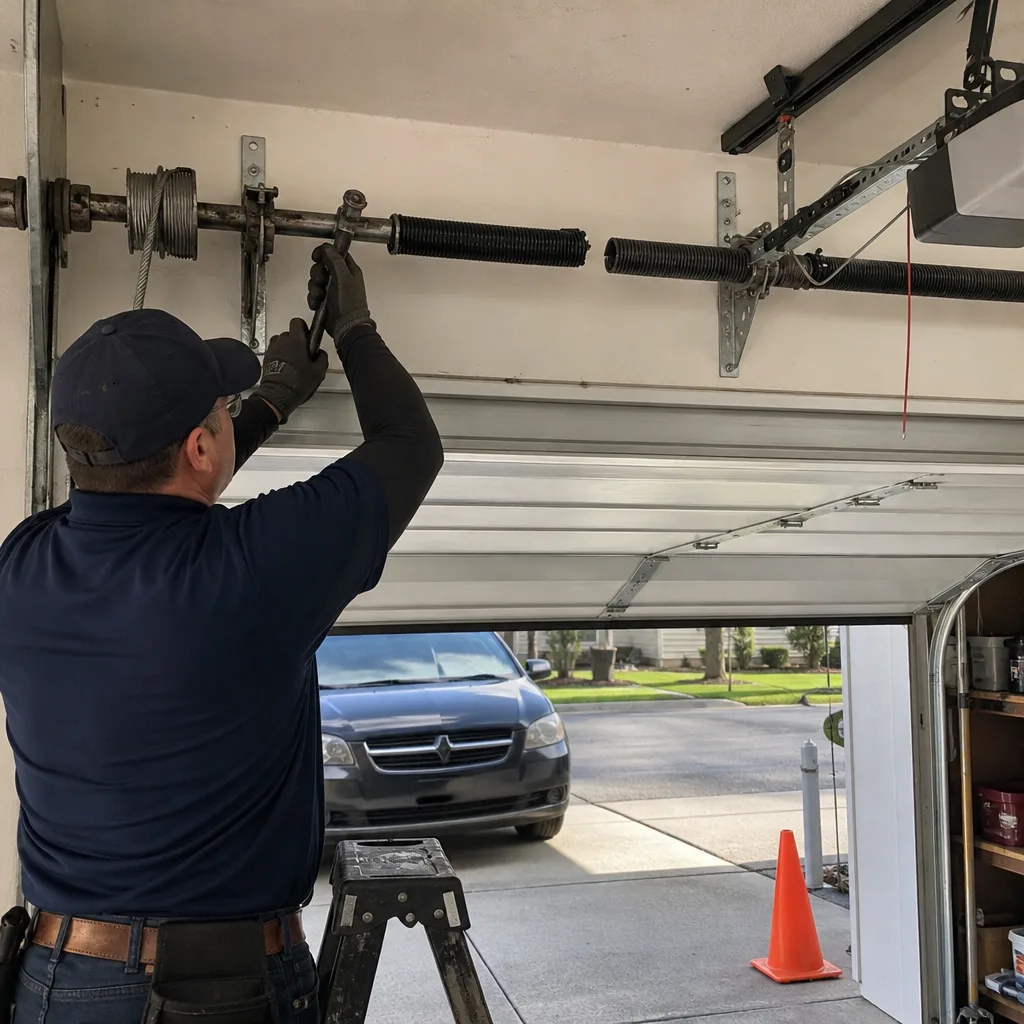
Safety caveat worth stating plainly: torsion springs and the cables they control are under extreme tension. Do not attempt to adjust, replace, or remove any spring or cable hardware yourself. Spring work requires specialized tools and training, and it’s one of the most dangerous jobs in home repair. Our garage door spring repair specialists have up to 11 years of experience handling exactly this kind of work, and the stakes justify the call.
What Summer Humidity Does to Wood Doors (and Why It Looks Like a Balance Problem)
Northern Kentucky summers are humid, and if you own a wood garage door, you’ll notice it. Wood absorbs moisture from the air, which makes the panels swell. In a door built from multiple panels, that swelling is uneven. Some panels absorb more than others, and the seams between them change dimension.
The result is a door that seems to be out of balance. It binds on one side. It closes unevenly. It might reverse unexpectedly because one panel is now rubbing the track. Homeowners see this and assume they have a spring problem or a track problem. Usually, they have a humidity problem.
What to do about it:
- Give the door a little time. If the problem appears in July and August and disappears in October, it’s humidity. Don’t rush to adjust hardware that isn’t the culprit.
- Check the finish. A properly sealed wood door resists humidity better than a dry one. If the paint or stain is flaking or worn, moisture is getting in more freely. This is the homeowner’s job, not the technician’s.
- Keep the track clear. As panels swell, they have less clearance in the vertical track. Wipe the track clean and make sure no debris is adding to the problem.
- If the binding is severe, get it looked at. A door that’s binding on one side all season, not just in the worst humidity, is a door that has a real mechanical issue and not just an expansion issue.
Steel doors aren’t immune, though the effect is different. Steel panels can warp slightly in summer heat, and the insulation inside them can become compressed over time. It’s worth glancing at the panels for any bowing or distortion when you do your mid-summer check. LiftMaster and Chamberlain opener owners can also check the opener’s travel limits in the summer, since a swollen door may need a small adjustment to close fully without reversing. Our garage door opener repair team can adjust opener travel limits and force settings to match a seasonal door behavior, which is a safer approach than bumping the force setting yourself.
After an Ice Storm: What to Check Before You Operate a Door That’s Been Frozen Shut
Ice storms are a real possibility in northern Kentucky, and the morning after one is exactly the wrong time to hit the opener and see what happens. A door that’s been frozen to the ground, frozen at the seals, or has ice in its tracks is a door that can be damaged by the first lift. The weight of the ice plus the resistance of a frozen seal can snap a cable or force a spring past its safe travel.
Before you operate the door after an ice storm:
- Look at the bottom seal and the ground. If there’s ice between the seal and the concrete, the seal is frozen. Don’t force it.
- Check the tracks. Ice in the vertical or horizontal track is a jam. Clear it before you move the door.
- Look at the panels for ice weight. If the door has a buildup of ice on the panels, the balance is off until the ice comes off. Let it melt or gently clear it.
- If the door is frozen, use the manual release. Pull the red cord on the opener carriage, then lift the door by hand slowly to check whether it moves freely. If it doesn’t, don’t force it. Frozen parts will break.
- If the door lifts by hand but not by opener, the problem is likely the opener’s force setting or a safety sensor, not the door itself.
Safety caveat: if the door is stuck and you suspect ice in the track or a frozen torsion assembly, don’t try to break it loose with force. That’s the point at which a call to a technician is quicker and safer than a busted cable. We answer 24/7 at (844) 681-4337 and can get a technician out when a frozen door is creating an immediate safety or security problem. Fast dispatch from 7am to 7pm, Sunday through Friday.
The Florence Seasonal Task Calendar: Tied to Real Temperature Thresholds
Generic “monthly check” calendars aren’t much use in Florence, because they treat January the same as October. This one is tied to what’s actually happening to your door at the temperatures Florence actually reaches. Use the thresholds, not the month names, to decide when to act.
When temps drop below 50°F for the first time (typically mid-to-late October)
- Lubricate rollers, hinges, and torsion bearings while the door is still warm and easy to work on.
- Inspect the bottom seal for cracks or compression.
- Test the auto-reverse and photo-eye sensors.
- Tighten track brackets and door hinge bolts.
- Adjust the opener force setting if the door is starting to bind.
When the first hard freeze hits (typically mid-November)
- Replace the bottom seal if you haven’t already. This is the last easy window before the seal is working against real ice.
- Do a full balance and safety test on a cold morning, since that’s the condition the door will be working in all winter.
- Check for daylight gaps around the door perimeter, which let in cold and moisture.
During sustained freezing temperatures (December-February)
- Monthly: look at the seal and the track for ice, and wipe lubricant off if it’s attracting grit.
- After any ice storm: run the frozen-door check above before operating the door.
- Any new noise, uneven closing, or opener reversal is worth a call rather than a wait.
When temps begin to swing back across freezing (typically March-early April)
- Inspect for freeze-thaw damage: cracks in the seal, loose track anchors, cable wear at the drums.
- Test balance and safety reverse again, since hardware that loosened over winter may have shifted.
- Clean the tracks and check for rust or grit buildup.
Summer (May-September)
- Watch wood panels for humidity swelling and binding.
- Check that the opener’s force setting still matches the door’s seasonal resistance.
- Lubricate once midsummer.
This is the calendar we’d give our own neighbors in Florence. If you follow the two high-risk windows, most of what we’d otherwise see as winter failures never happens.
The Spring Thaw Checklist for Florence Homeowners
March and early April are the second high-risk window, and they deserve their own focused checklist. Everything that was stressed all winter surfaces now, and freeze-thaw is still active. Here’s the order that catches the most problems in the least time.
- Walk the perimeter of the door from the outside. Look for any daylight gaps where air or moisture can get in, and check the seal for torn edges. A seal that came through winter intact still deserves a close look.
- Open and close the door from outside. Listen and watch for binding, uneven travel, or dragging. A door that was smooth in November but is now hesitant is telling you something changed over winter.
- Inspect the track fasteners. This is the freeze-thaw check. Use a socket set, not a screwdriver, and don’t over-tighten; the goal is snug, not torqued.
- Test the safety reverse and photo eye. These functions are non-negotiable, and the start of the outdoor season is a good time to confirm they still work.
- Check the opener’s travel limits. If the door now travels slightly less than it did in fall, the opener may need its up and down limits reset. LiftMaster and Chamberlain openers have accessible adjustment screws; Genie and Craftsman openers vary by model. If you’re not confident, have the opener checked.
- Examine the torsion assembly from a safe distance. Look for a stretched spring, a cable that’s come off the drum, or a visible gap in the torsion bar. Do not touch these components. If you see anything unusual, stop using the door and get a technician out.
- Schedule a professional tune-up if the door is more than five or six years old and hasn’t been serviced in that time. Small wear that never gets addressed adds up.
If you’d like a technician to run this checklist for you and fix anything that comes up in one visit, our team handles Florence Garage Door Repair Pros services across the full range: repair, opener repair, spring repair, and new installation. The estimate is free, and the price is quoted and agreed before any work starts.
Common Mistakes to Avoid
- Greasing the springs. Torsion springs don’t need lubrication, and greasing them attracts grit that accelerates wear. Lubricate rollers, hinges, and bearings, and leave the springs alone.
- Using WD-40 as a lubricant. It’s a solvent. It strips existing grease and leaves the door drier than it started. Use a dedicated garage door lubricant or white lithium grease.
- Increasing the opener force to fix a binding door. The force setting isn’t the fix; it’s a safety margin. Raise the force on a door that’s binding, and you’ve removed the safety margin while the real problem gets worse. Fix the binding, then reset the force.
- Forcing a frozen door open. This is the most expensive seasonal mistake we see in Florence. If the seal or track is frozen, clear it or let it thaw before moving the door.
- Skipping the fall window because “the door worked fine all summer.” October and November are when components get stressed. September performance tells you nothing about January reliability.
- Adjusting torsion springs or cables yourself. This is not a homeowner job. Springs and cables are under extreme tension, and the failure mode is a serious injury. Trained technicians use specialized tools for a reason.
- Replacing the opener when the door is the problem. A door that binds or closes unevenly can make any opener look faulty. Diagnose the door first. Our technicians have up to 11 years of experience sorting out which component is actually failing.
When to Call a Professional
Some seasonal checks are yours. Others are technician work. Call us when you hear a sharp bang from the torsion bar, when a cable has come off the drum, when the door is visibly out of balance and won’t stay halfway, when the seal won’t stay attached after a freeze, or when the opener has stopped responding and the manual release doesn’t help. Call us also when an ice storm has left the door stuck and you’re not sure whether it’s safe to run. And call us if you’d just rather have a trained set of eyes go over the door before winter or after the thaw. We work on virtually any brand a Florence homeowner already has, including LiftMaster, Chamberlain, Genie, Clopay, Amarr, Wayne Dalton, Craftsman, and Raynor. Florence Garage Door Repair Pros offers free estimates in Florence. Call (844) 681-4337 to get on the schedule.
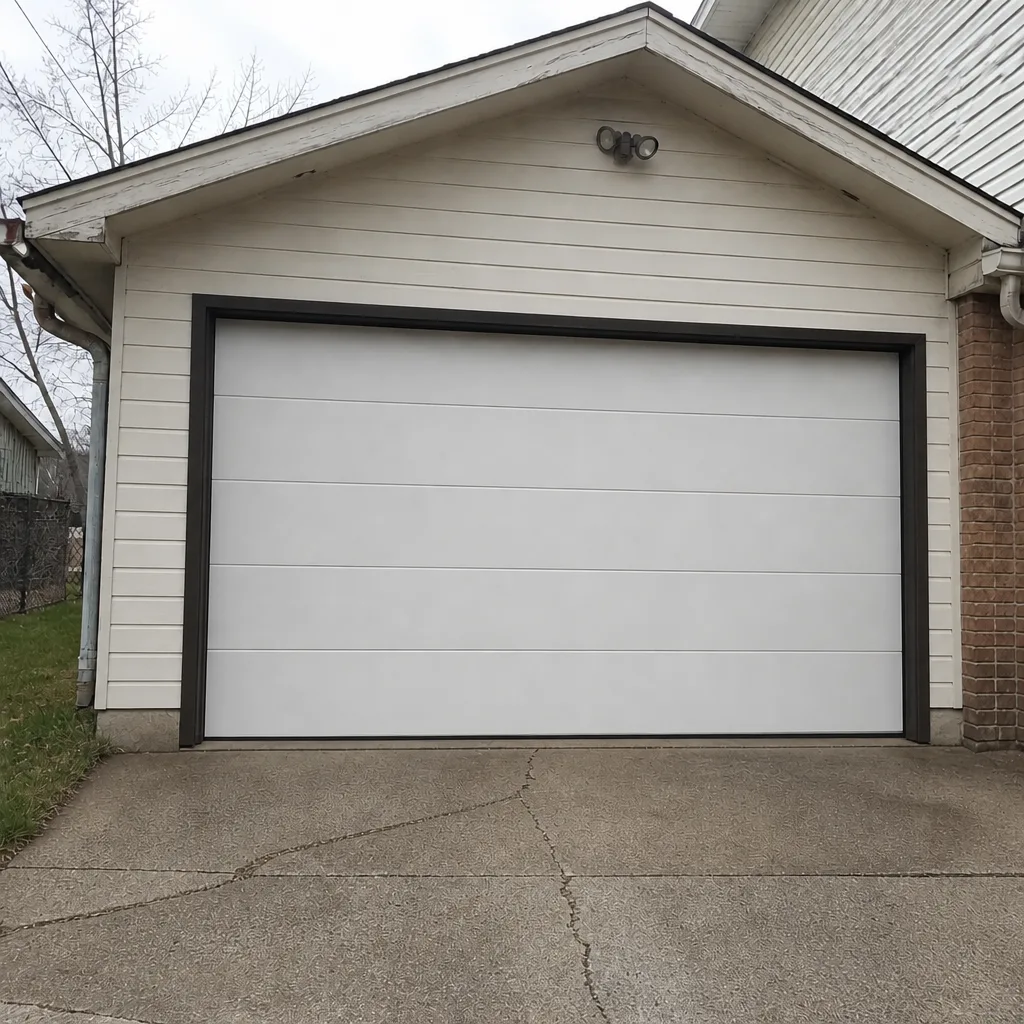
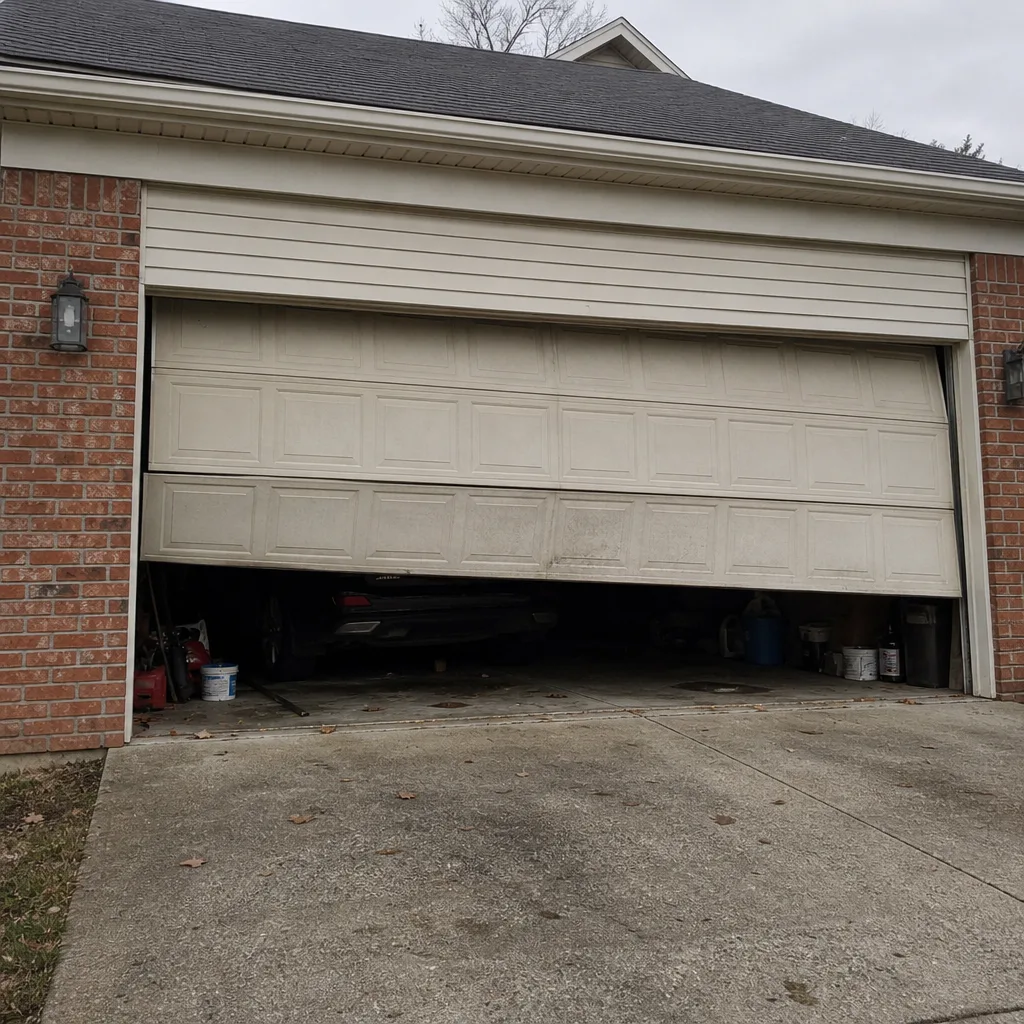
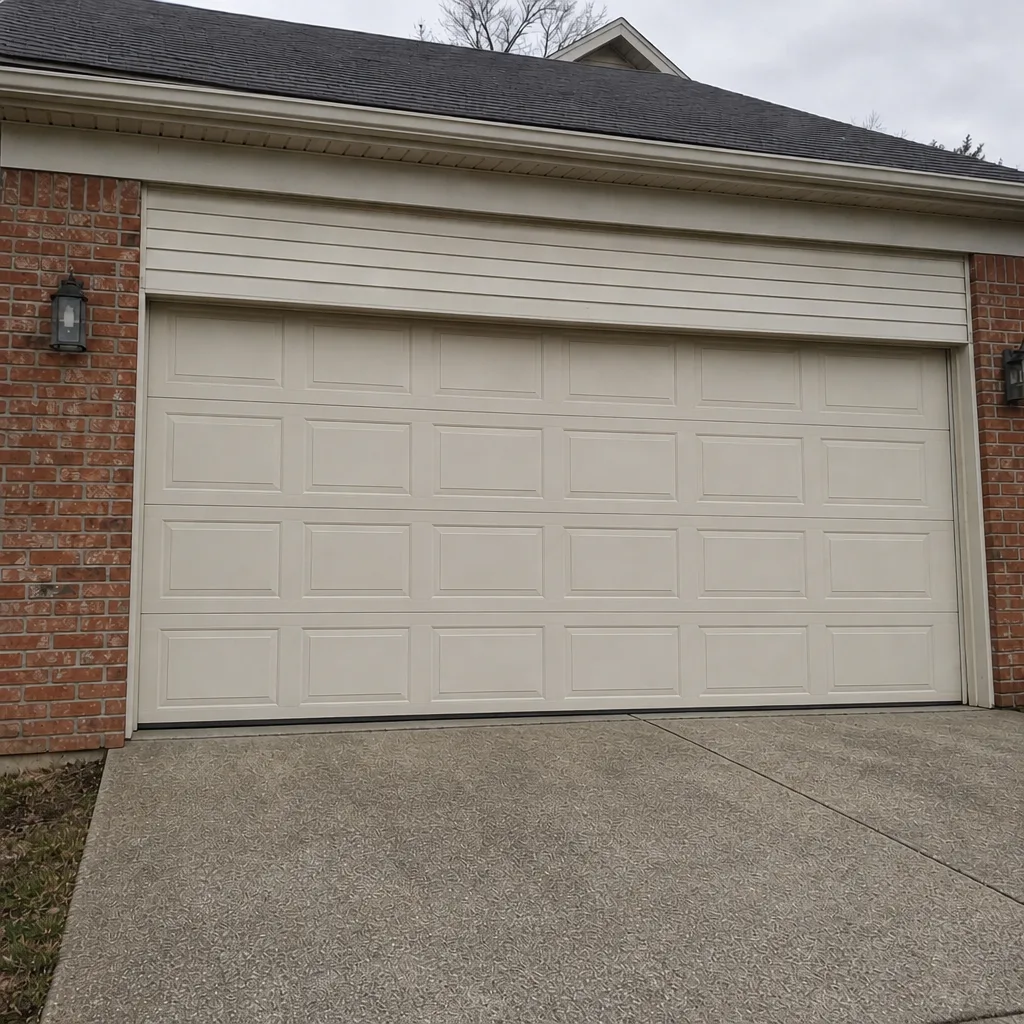
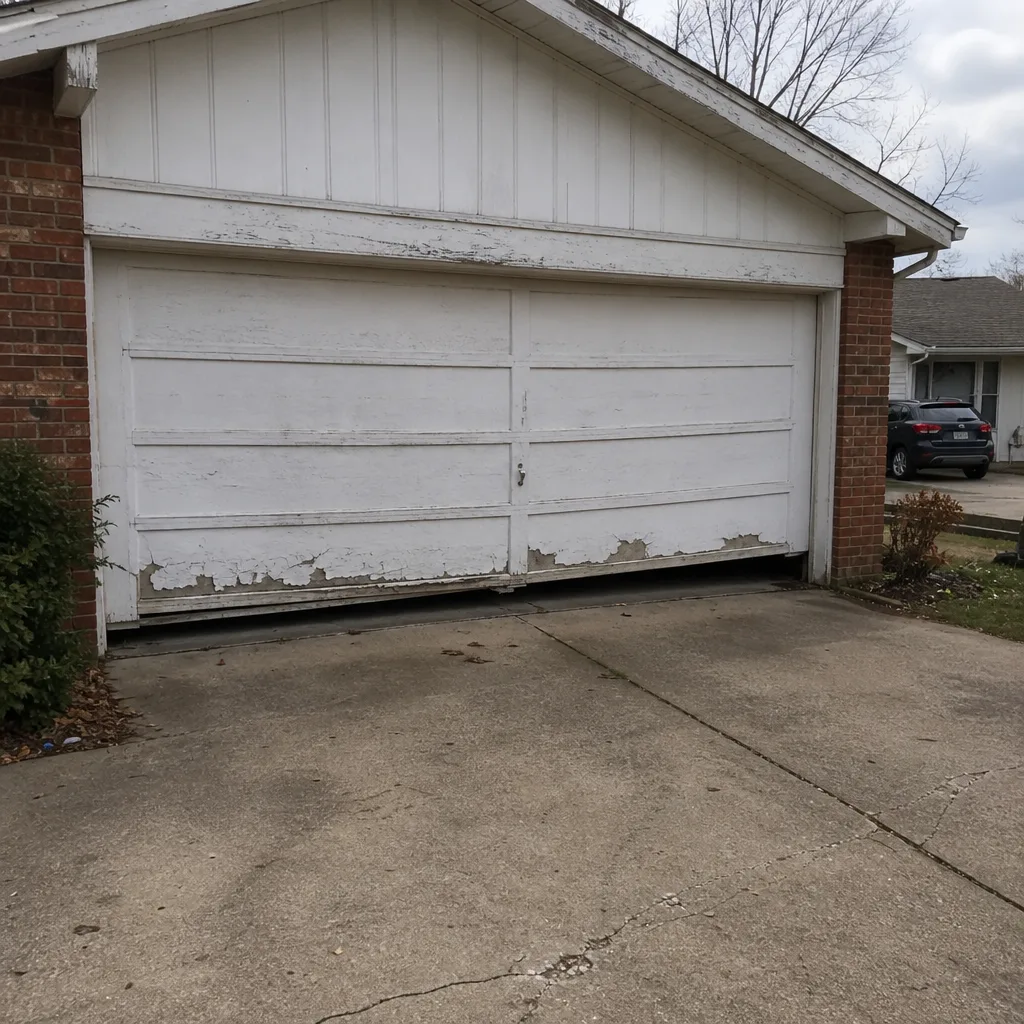
See the difference
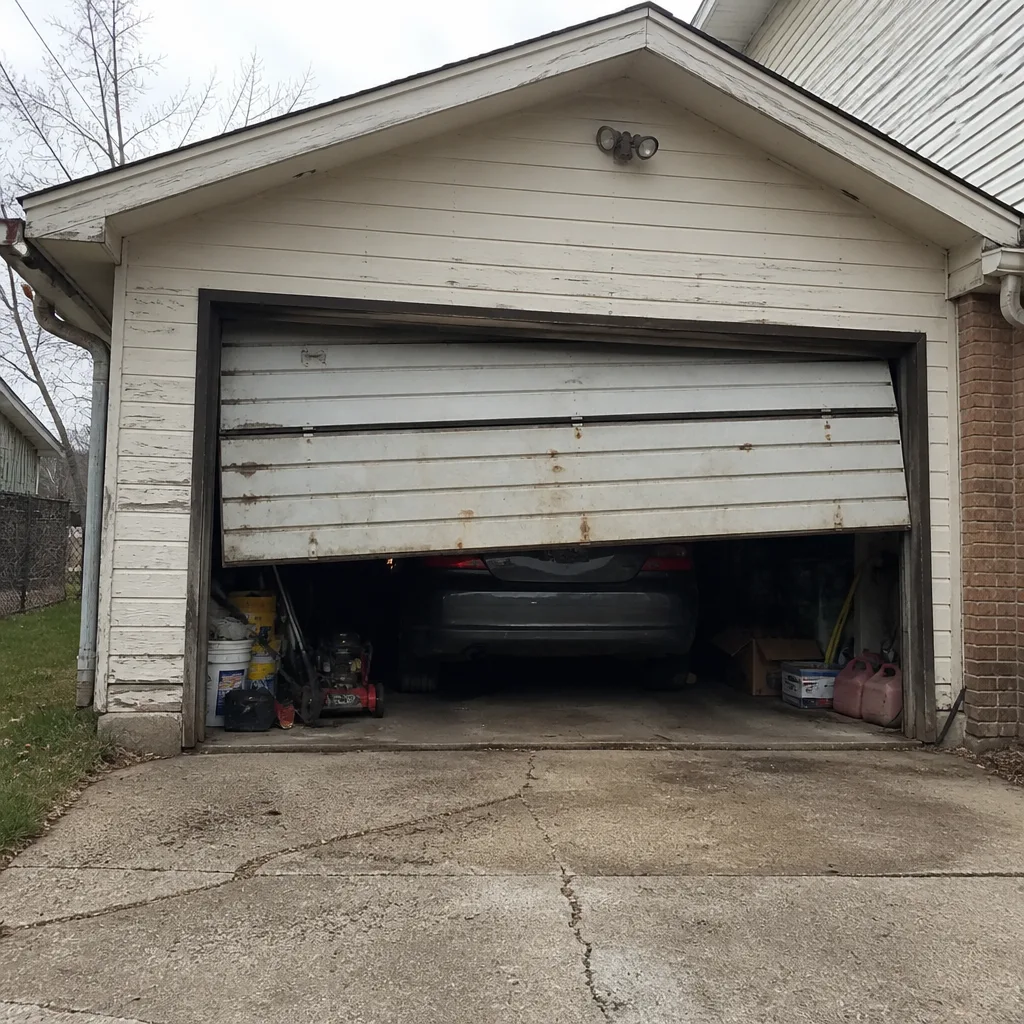 Before
 After
 Before
 After
 Before
 After
Frequently Asked Questions
Late October through November is the most important maintenance window in Florence. Temperatures drop fast, the door starts working against stiffer components, and everything you ignore now will surface as a failure in January or February. The fall window prevents more problems than any other maintenance period of the year.
In most cases, the seal froze to the driveway overnight and got torn loose when the opener lifted the door the next morning. Cold makes rubber and vinyl seals stiff and more likely to bond to ice or frozen concrete. Replacing the seal before the first hard freeze prevents almost all of these failures.
Probably not. Summer humidity makes wood panels swell unevenly, which makes the door bind and close unevenly. If the problem appears in July and August and disappears in fall, it’s humidity and firmness in the finish, not a balance problem. If the binding continues into cooler weather, get the door looked at.
Don’t wait a set amount of time. Instead, check whether the door will move freely first. If there’s ice between the bottom seal and the ground, or ice in the tracks, clear it before operating the door. If the door is frozen and you’re not sure, use the manual release and lift the door slowly by hand. If it doesn’t move freely, don’t force it.
You can, but you shouldn’t raise the force to compensate for a door that’s binding. The force setting is a safety margin, not a fix for mechanical drag. Address the underlying binding, then set the force back to where the door closes reliably without relying on added force. If you’re not confident doing this, have a technician adjust it. Call (844) 681-4337 for an exact quote on an opener repair; estimates are free.
Spring repair is priced per spring, and a matched pair is normally replaced together, so the pair costs roughly twice what a single spring runs. Get a written estimate before any work starts so the final invoice matches what you agreed to. Call (844) 681-4337 for an exact quote, and we’ll walk you through what your door needs.
The Bottom Line
Florence’s four seasons don’t create four equal maintenance demands. Late October through November and March through early April are the two windows where an hour of attention prevents a whole season of failures. The rest of the year is monitoring, with one exception for wood doors in summer humidity. Focus on those two windows, stay away from spring and cable hardware yourself, replace the bottom seal before the first hard freeze, and the seasonal care that keeps a garage door reliable in Florence is a light list rather than a heavy one. If you’d like a trained set of eyes on the door before winter or after the thaw, call us.
Call (844) 681-4337 for a free estimate. We answer 24/7, and fast dispatch runs from 7am to 7pm, Sunday through Friday.
Written by the team at Florence Garage Door Repair Pros.