
Last updated November 22, 2026
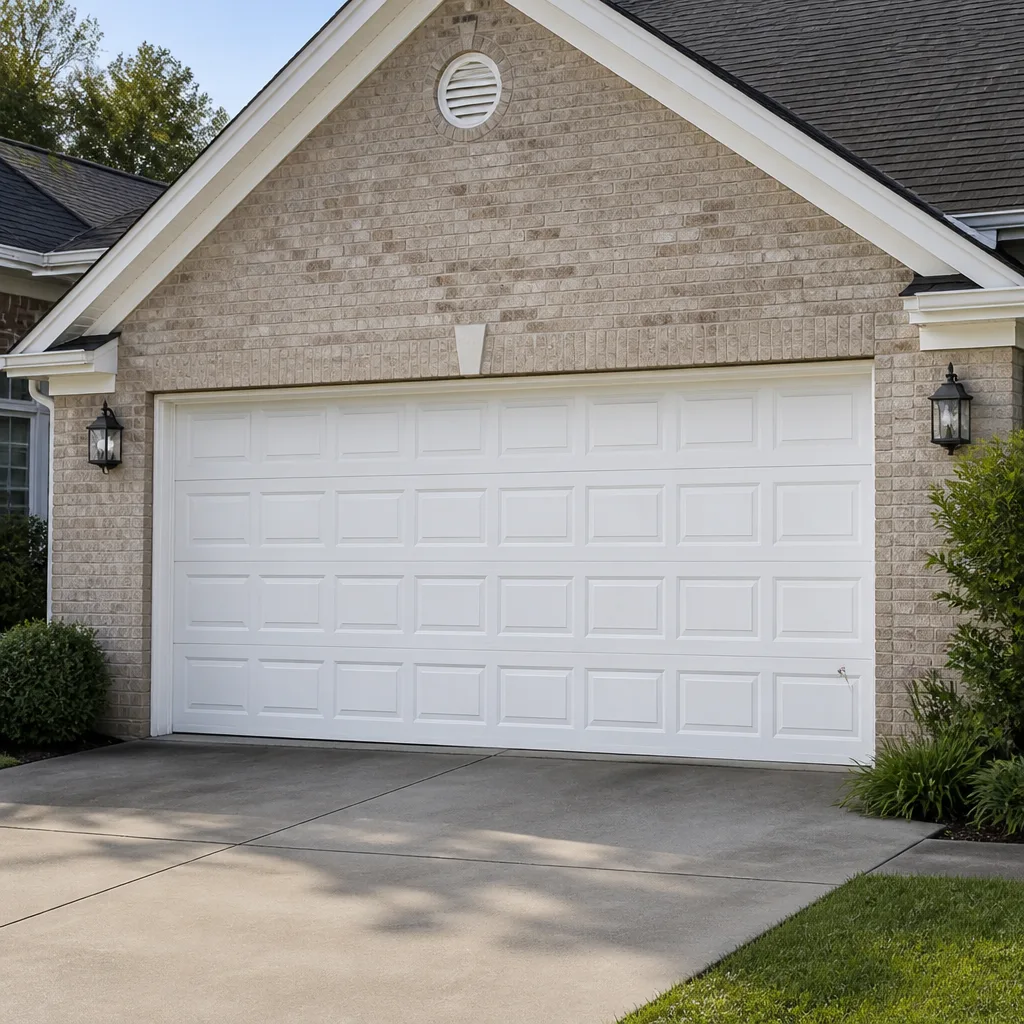 Raised-panel steel
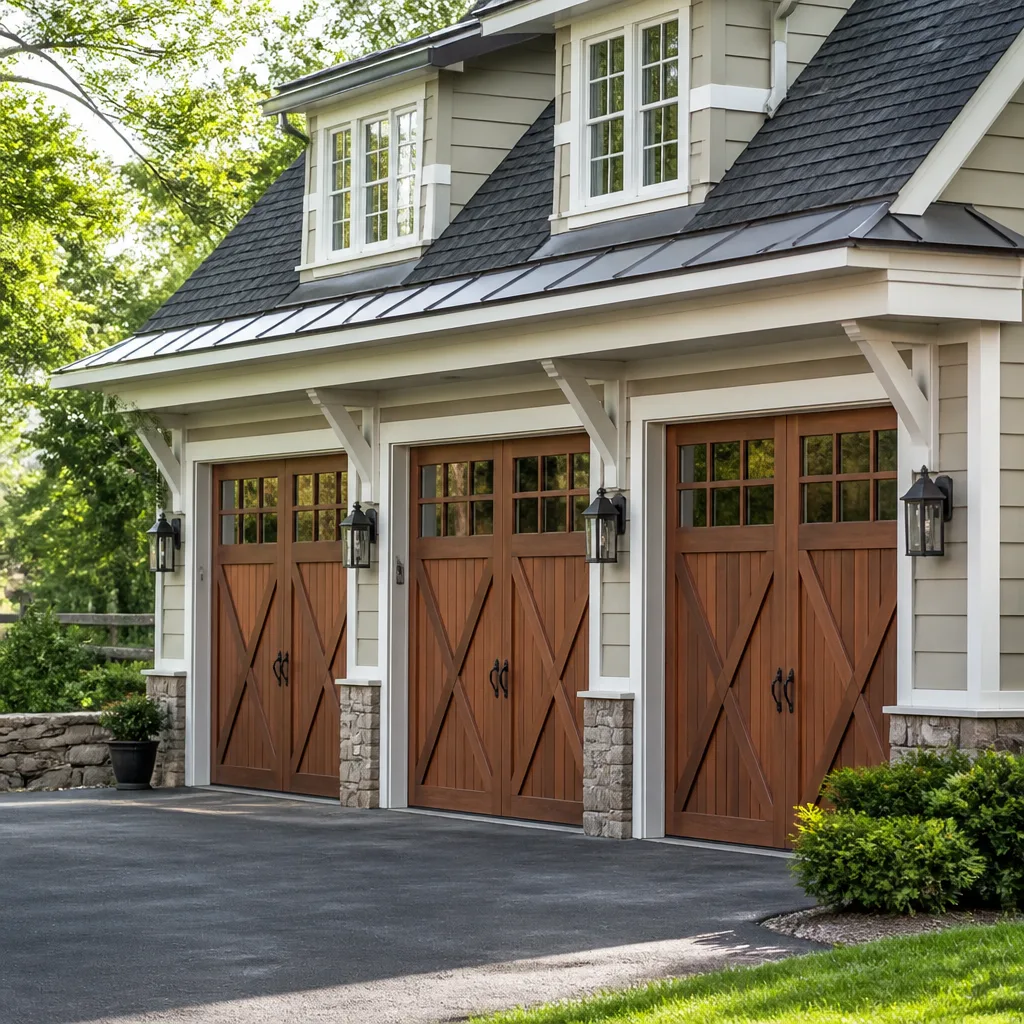 Carriage house
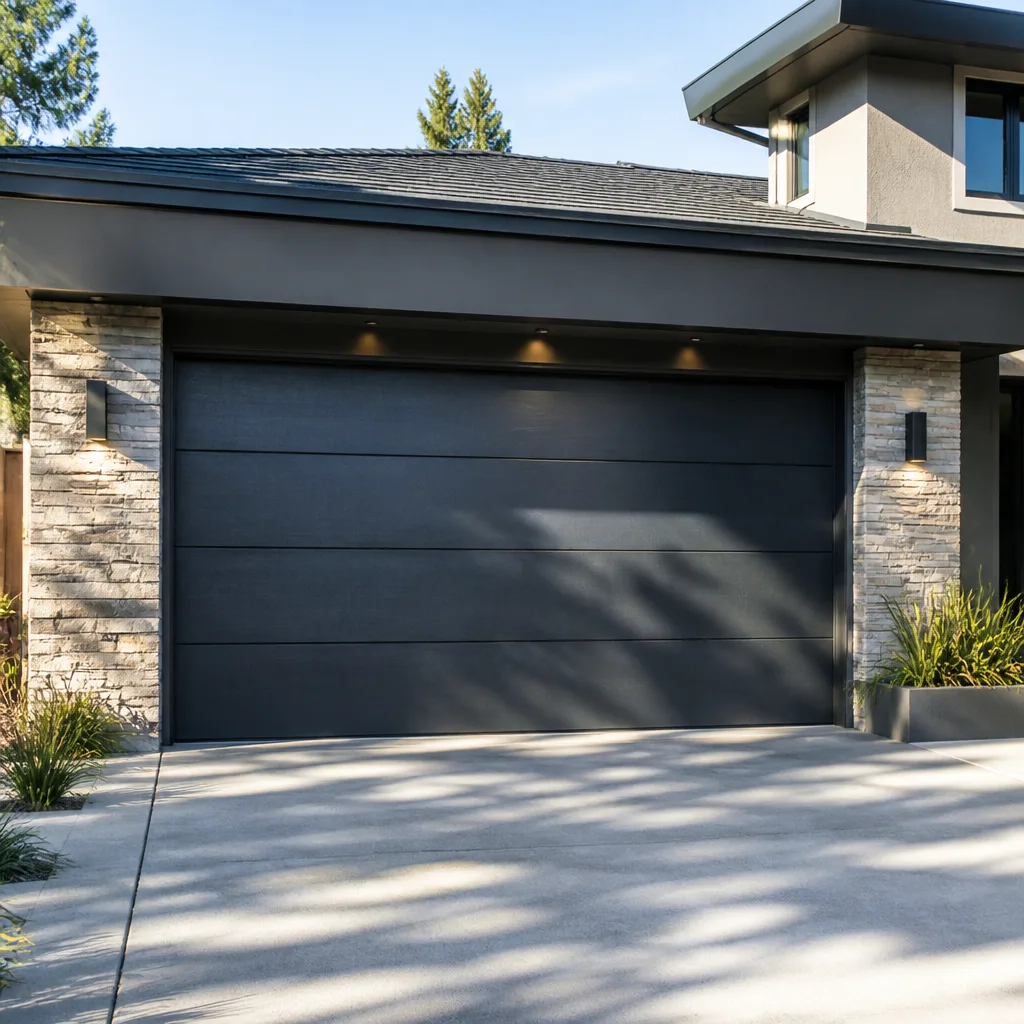 Modern flush
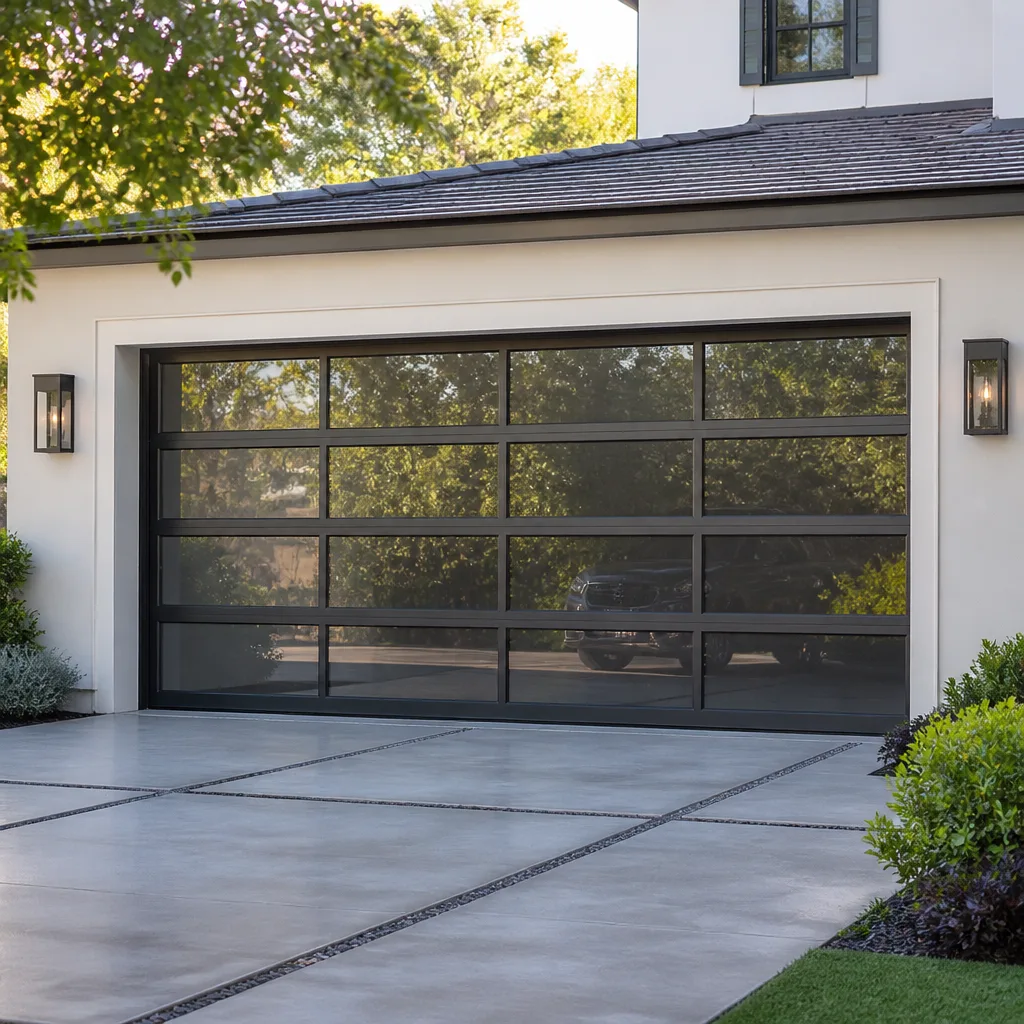 Full-view glass
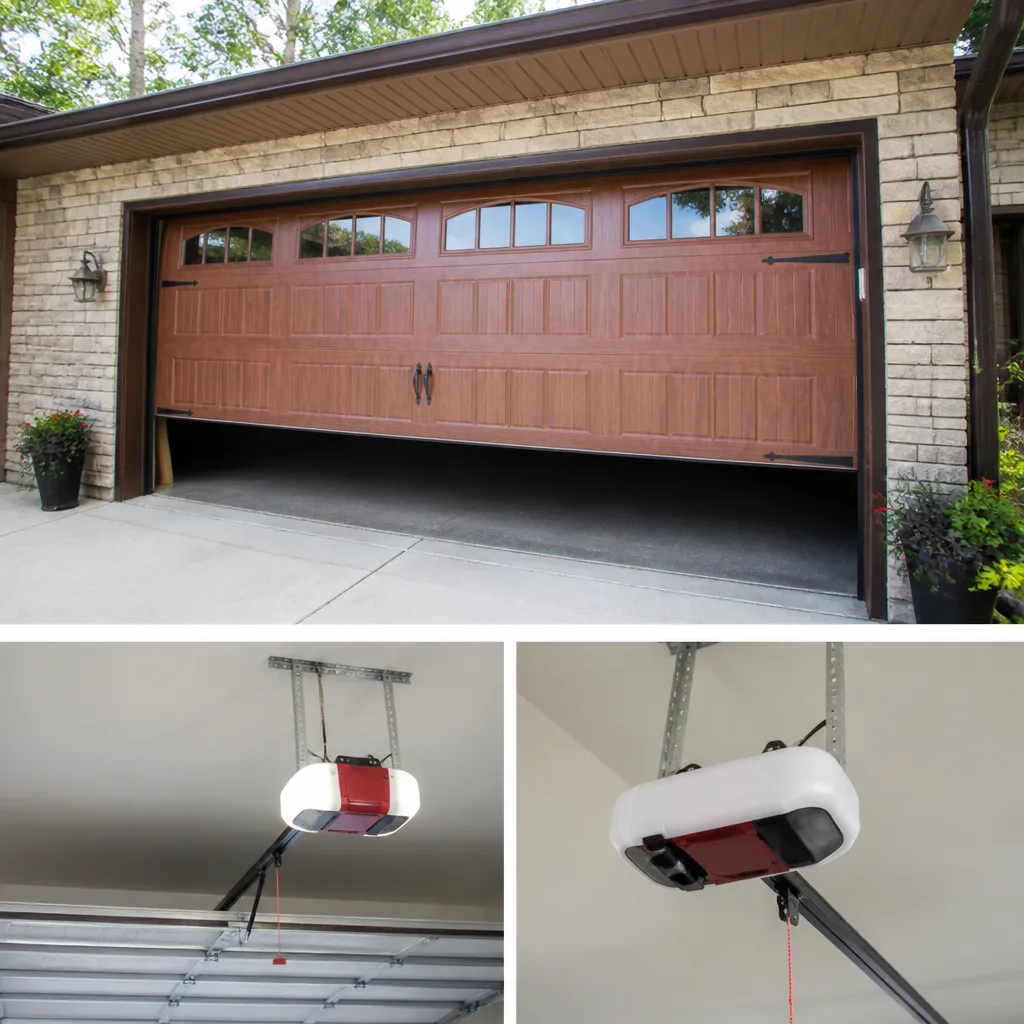 LiftMaster openers
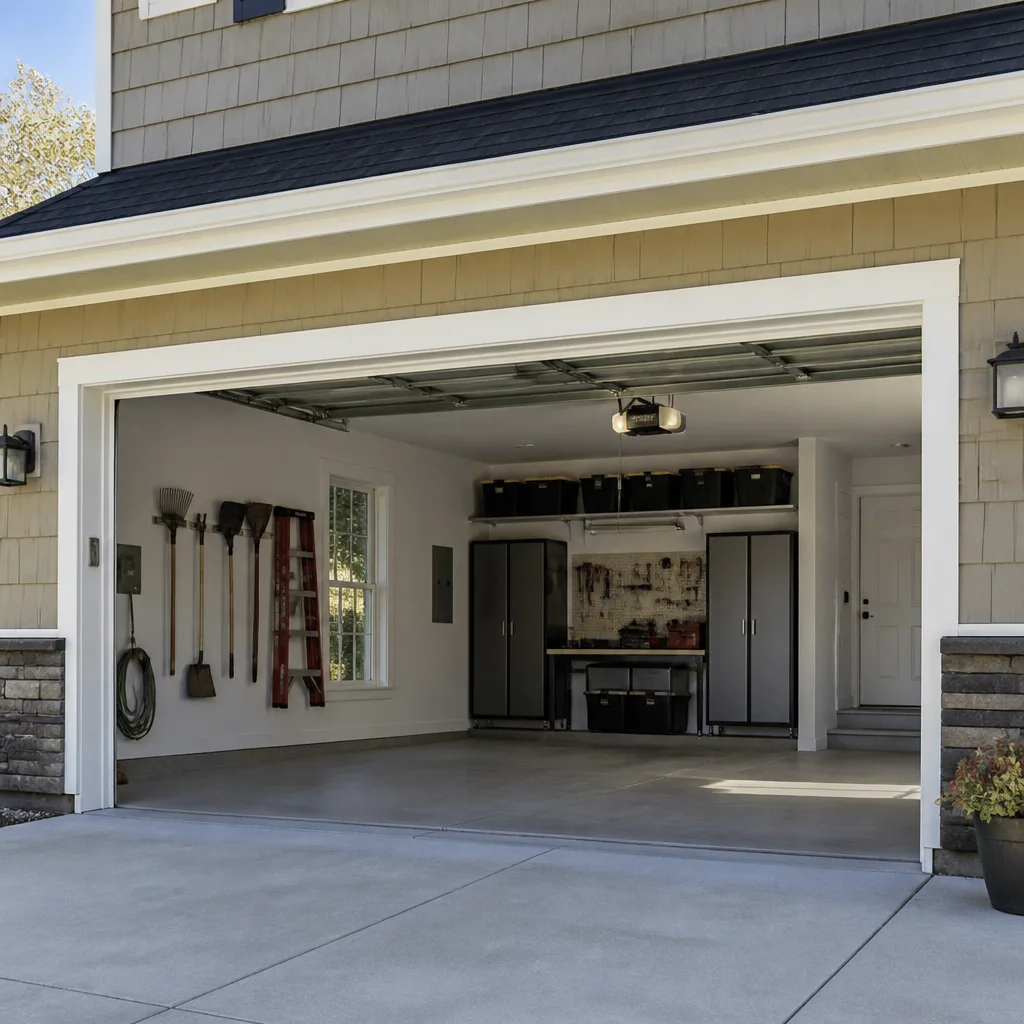 Chamberlain openers
Full 25-point door and opener safety check with every visit - springs, cables, rollers, tracks, and your LiftMaster or Chamberlain opener included
You get a price before we start. It does not change when the pro arrives.
Get your free estimateThe Complete Guide to Garage Doors in Florence
Most garage door advice online was written for a house that doesn’t exist here. National guides treat humidity as a cosmetic nuisance and freeze-thaw cycles as a footnote, then hand you a lifespan chart built for a climate with mild winters and dry summers. Florence sits where the Ohio River valley meets the northern Kentucky hills, and that combination puts your door through a specific set of stresses: muggy summers that work on every steel panel and hinge, and winters that freeze the ground under your slab and thaw it again in the same week. This guide treats your garage door as a mechanical system tuned to Florence, not a generic home feature. You’ll learn how the local climate shortens some component lifespans, which door styles dominate Florence’s housing stock and why that helps with parts, how to read your door as one connected system, and where the line falls between a repair and a replacement that pulls in permits.
Quick Answer
A garage door in Florence is a spring-and-track mechanical system, and most failures come down to four parts: torsion or extension springs, the opener, the rollers and hinges, and the bottom seal. Northern Kentucky’s humidity and freeze-thaw cycles wear those parts faster than manufacturer charts suggest, so a door here often needs its first spring replacement earlier than the national average. The key is diagnosing which component actually failed before replacing anything else, because one worn part usually signals the next one is close behind.
Styles & brands we work with
- Raised-panel steel
- Carriage house
- Modern flush
- Full-view glass
- LiftMaster openers
- Chamberlain openers
Table of Contents
- How Florence’s Climate and Geography Affect Your Garage Door
- Real-World Component Lifespans in Northern Kentucky
- Which Garage Doors Florence Homes Actually Have
- Reading Your Door as a System
- How to Diagnose Common Problems Before You Call
- Repair vs. Replacement: When You Cross the Permit Line
- Brands and Parts: What We Work On
- What Garage Door Work Costs in Florence
How Florence’s Climate and Geography Affect Your Garage Door
Florence sits in the Ohio River valley, and the river is the reason your garage door lives a harder life than the same door installed in a dry climate. Humidity off the river climbs through summer and hangs in the air inside an unconditioned garage, where it settles on cold steel. That moisture works on hinges, rollers, springs, and the bottom of every steel panel, and it does it quietly for months before you notice rust bleeding out of a hinge pivot. If you’ve ever opened your garage on an August morning and felt the air inside was heavier than outside, you’ve felt the condition that ages hardware.
Winter brings the other half of the problem. Northern Kentucky swings above and below freezing repeatedly through the season rather than freezing once and staying there. That cycle moves the ground under a garage slab, and it hardens and contracts the rubber bottom seal on your door. A seal that was flexible in October turns stiff and brittle by January, and once it stops sealing, cold air, water, and small pests get under the door. The seal is the cheapest part on the whole system and the one most often ignored until water is standing on the garage floor.
What this means in practice:
- Steel doors face the most corrosion pressure from river humidity, especially at the bottom panel where condensation collects and road splash lands.
- Wood doors move with the seasons; in Florence they swell in the humid months and shrink in dry cold snaps, which stresses joints and paint film.
- Bottom seals take the freeze-thaw beating and should be checked every fall before the first hard freeze.
- Metal tracks and hinges benefit from periodic lubrication far more here than a manufacturer’s general chart would suggest, because moisture is a constant rather than a seasonal event.
None of this means a garage door can’t last in Florence. It means the maintenance schedule that protects a door in a dry climate won’t fully protect one here. A door that thrives in Florence gets its hardware checked and lubricated on a real schedule and its seal replaced before winter, not after.
Real-World Component Lifespans in Northern Kentucky
Manufacturer lifespan charts are written for a national average that doesn’t match Florence. When we service doors around town, the pattern is consistent: springs and seals wear out faster here than the box claims, and the humidity drives hardware replacement sooner than a homeowner expects. The table below reflects what we typically see in this market, not a guarantee for any single door.
- Torsion springs: Manufacturers quote a cycle count based on average use; in Florence, humidity and temperature swings can push replacement earlier, so treat any stated cycle number as an upper bound rather than a promise.
- Extension springs: Same story, plus they’re exposed and prone to rust at the hook ends in a humid garage.
- Cables: Cable wear accelerates when springs go slack or a door runs out of balance, so cables often need attention alongside springs.
- Openers: Electronics are less climate-sensitive than mechanical parts, but a Genie or LiftMaster unit running against a stiff, out-of-balance door in cold weather works harder and can fail sooner.
- Rollers and hinges: These are the first parts to show rust in a Florence garage, and rusty rollers make a door noisy and hard to balance.
- Bottom seals: The freeze-thaw cycle shortens seal life noticeably compared to milder climates.
The practical takeaway: don’t wait for a national chart to tell you a part is due. Watch the door. A spring that’s past its reliable window usually announces itself with a change in how the door sounds and moves before it breaks. Catching that early is the difference between a routine spring replacement and an emergency.
Why the Gap Between the Chart and Reality Matters
A homeowner who budgets for replacement based on a national average plans to replace a part years after Florence conditions have already shortened its life. That’s how people end up surprised. The better approach is to have the door inspected on a schedule and let a technician judge the actual condition of each part rather than relying on a number printed on a box.
Which Garage Doors Florence Homes Actually Have
Florence’s housing stock is a mix of established subdivisions and newer construction, and that mix shapes which doors and parts you’ll find on the most homes. The dominant style is the sectional steel door with a raised-panel face, most often in white or a neutral tone, usually sold as a two-car single door or a pair of single doors. That matters for a practical reason: because sectional steel doors are so common here, replacement panels, rollers, hinges, and spring assemblies for the major brands are widely available, and repair is often faster and less costly than it would be for an unusual door in a small market.
Brands matter here too. A large share of the doors in Florence homes carry names like Clopay, Amarr, or Wayne Dalton, and the openers are frequently Genie or LiftMaster units. Because those are among the most common systems in the region, parts are accessible and a repair rarely stalls waiting on an order. That’s a quiet advantage homeowners don’t think about until they need it.
A few common configurations and what they mean for you:
- Single wide door for a two-car garage: Fewer moving parts overall, but one big spring system and one heavy door, so each component carries more load.
- Pair of single doors: More springs and openers total, but a failure on one door leaves the other working, which buys you time to schedule repair.
- Older wood or carriage-style doors: Less common but present in the older parts of town; these need careful inspection of joints and finish because Florence’s humidity works on wood differently than on steel.
- Insulated steel doors: Increasingly common in newer homes, and the insulation helps stabilize the temperature inside the garage through Florence’s temperature swings.
If you don’t know which door you have, the model sticker on the inside of the door or on the opener housing usually tells you. Knowing the brand before you call makes the whole repair smoother, and it’s the reason our technicians are certified to service eight major brands covering nearly every system in a Northern Kentucky home.
Reading Your Door as a System
The biggest mistake homeowners make is treating each symptom as an isolated event. A garage door is a balance between the springs that lift it, the opener that drives it, the tracks that guide it, and the rollers and hinges that let it move smoothly. When one part wears, it shifts load onto the others. Failing to read the door as a system is why someone replaces an opener when the real problem was a tired spring, then replaces the spring a month later anyway.
Here’s the connection most people miss: the opener is the muscle, but the springs do the lifting. A properly balanced door feels light to lift by hand because the springs are doing their job. When a spring weakens, the opener has to work harder, and that extra load shows up as a struggling opener, a door that doesn’t open all the way, or a motor that runs hot. Replace the opener without addressing the spring and you’ve just installed a new opener that will fail the same way.
A quick way to think about the system:
- Springs carry the door’s weight. If they’re worn or broken, everything downstream struggles.
- Cables hold the spring tension and should be replaced with the springs when they show wear.
- Rollers and hinges control how smoothly the door travels. Rusty, worn rollers put strain on the opener.
- Tracks guide the whole assembly. A bent track can make a perfectly good door bind and stutter.
- The opener is the weakest link to the whole chain. It should be the last thing suspected, not the first, when a door won’t move right.
When you call for garage door repair, a technician who reads the whole system will check balance, spring tension, cable condition, and track alignment rather than fixing the one part you named. That’s what makes the difference between a repair that lasts and one that gets followed by another service call a few weeks later.
A Note on Spring Safety
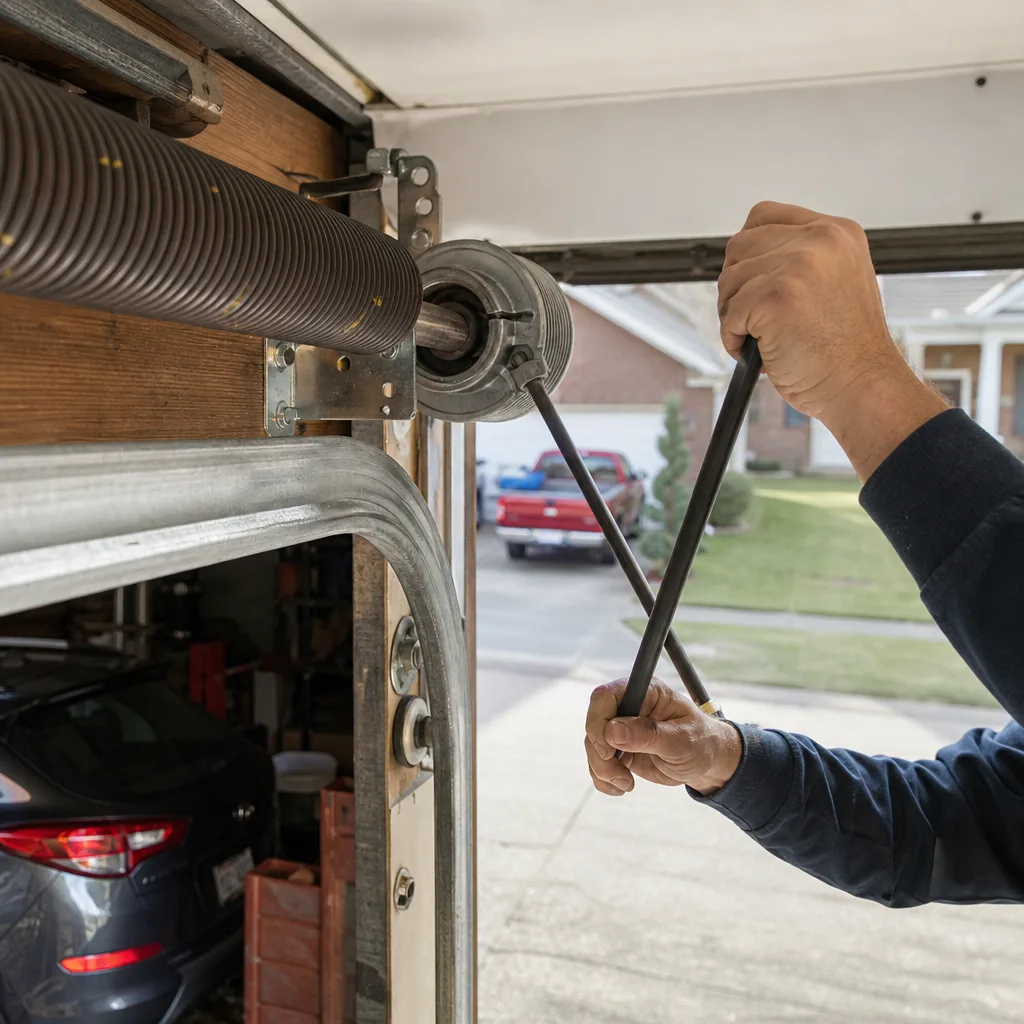
Garage door springs are under extreme tension, and a torsion spring or cable that lets go can cause serious injury. This is the one part of the system where we always recommend leaving it to a trained technician and never attempting it yourself. Spring replacement is a named specialty for a reason: it requires the right tools, the right technique, and the knowledge to control stored energy safely. If your door has a broken spring or a snapped cable, stop operating it and garage door spring repair should be handled professionally.
How to Diagnose Common Problems Before You Call
You don’t need to be a technician to gather useful information. A few observation steps (nothing that involves touching springs or cables) help you describe the problem accurately, which usually speeds up the fix. Understanding what you’re seeing also tells you which problems are urgent and which can wait for a scheduled visit.
- Listen. A single loud bang followed by a door that won’t lift usually points to a broken spring. A grinding or rattling sound as the door moves points to rollers, hinges, or tracks.
- Look at the door’s position. If it opens partway and stops, or if it hangs crooked, that’s a balance or spring issue. If one side lags, suspect a cable or track problem.
- Check the opener’s behavior. A door that reverses immediately or refuses to close can be the safety sensors, not the opener itself. Look for a blinking light on the motor or a misaligned sensor eye.
- Try the manual release. With the door closed and the springs intact, pull the release to disconnect the opener. If the door is very hard to lift by hand, the springs aren’t doing their share, and the opener has been compensating.
- Inspect the bottom seal and panel edges. Standing water, daylight under the door, or rust along the bottom panel point to seal or moisture problems that Florence’s climate makes common.
- Note when it happens. A door that only acts up in cold weather or only in humid months gives a technician a strong clue about whether the issue is seal stiffness, spring tension, or an opener under load.
What these checks won’t tell you is the internal condition of a spring or cable. If your inspection turns up a broken spring, a snapped cable, or a door that’s off its tracks, that’s a call-a-professional situation. If it’s a stubborn remote or a sensor that needs realigning, that’s a different, smaller problem. We work on openers from the brands you already own, so garage door opener repair for a Genie or LiftMaster unit is a straightforward visit rather than a replace-the-whole-thing decision.
Same-Day Repair and When to Call
If the door won’t close and the garage is open to the street, that’s an urgent situation and a genuine security concern. We keep emergency service available for exactly these cases, where a stuck door leaves the home exposed. We answer 24/7. Fast dispatch runs from 7am to 7pm, Sunday through Friday. A call outside dispatch hours is booked into the next opening, Sunday through Friday, 7am to 7pm. If your door just needs a scheduled repair, we can get it on the books without the urgency.
Repair vs. Replacement: When You Cross the Permit Line
Most garage door repairs don’t require a permit. Replacing a spring, a set of rollers, a hinge, or an opener is maintenance-level work on an existing door and doesn’t change the structure. But there’s a line where a repair becomes a replacement, and crossing that line changes the rules. When you swap out the entire door, or change the size or framing of the opening, that work can pull in the city’s building department, and the requirements vary. The right move is always to ask Florence’s building department directly what your specific project needs before work begins, rather than assuming a rule from another city applies here.
This is where the system view pays off again. A door that’s repeatedly failing, with a bent track, sagging panels, and springs that keep going, may be telling you the whole assembly is past its working life. Chasing repairs on a door that’s failing structurally often costs more over time than replacing it. On the other hand, a sound door with a worn opener or a broken spring is a repair, full stop, and that’s the outcome most homeowners face.
A quick way to sort it:
- Repair territory: broken spring, snapped cable, faulty opener, worn rollers, misaligned track, torn bottom seal, damaged single panel.
- Worth evaluating for replacement: multiple bent or rusted-through panels, a frame that’s shifted, a door that’s out of balance despite new springs, or a system where the same failure keeps returning.
- Ask the city first: any full door replacement, a change in door size, or structural work on the opening. A call to Florence’s building department settles it in a few minutes.
When replacement is the answer, we handle the full scope in one place. From opener remote to full door replacement, you’re dealing with the same company that repairs your opener, so there’s no finger-pointing between a door installer and an opener technician. If you’re weighing installation, our garage door installation work starts with a free measure and a written price, because installation is measured, ordered, and scheduled rather than squeezed into a same-day slot.
Brands and Parts: What We Work On
The brand on your door and opener matters less than whether the technician can service it. We’re certified to service eight major garage door and opener brands: LiftMaster, Chamberlain, Genie, Clopay, Amarr, Wayne Dalton, Craftsman, and Raynor. Between them, those cover nearly every system you’ll find in a Florence home. That means you don’t have to hunt down a brand specialist or accept a referral runaround when your Clopay panel needs work or your Genie opener stops responding.
It’s a practical convenience more than a talking point. A homeowner with a Wayne Dalton door and a Chamberlain opener shouldn’t need two separate companies, and with our approach, they don’t. We work on the brand you already have, whether it’s a newer Amarr door or an older unit from a brand we didn’t list, and we’ll tell you honestly if something is outside what we handle. If your door uses a rare or discontinued system, a good technician confirms compatibility before promising parts.
What this means for a typical Florence homeowner:
- One call covers repair, opener repair, spring repair, and installation, rather than sourcing separate contractors.
- Common Northern Kentucky brands (Clopay, Amarr, Wayne Dalton doors; Genie, LiftMaster openers) are ones we’re set up to service.
- Diagnosed and fixed in one visit is the goal whenever parts allow, which is more achievable when the brand is one we know.
If you don’t know your brand, the sticker on the inside of the door or the opener housing usually settles it. We can figure out the rest from there.
What Garage Door Work Costs in Florence
Garage door pricing in Florence depends on the part, the door, and how much of the system has worn together. What we can say plainly: every job is quoted and agreed before any work starts, so the number you hear on the phone or on site is the number that determines the work. The written estimate sets the final price. We don’t quote a range and then surprise you with the invoice.
Rough categories to help you plan (treat these as typical estimated ranges for the region, not exact prices):
- Spring replacement: A spring is usually the single most common repair, and because springs are most often replaced as a matched pair, the pair costs roughly twice what one spring costs. Ask which you’re getting.
- Opener repair or replacement: A straightforward repair is one cost tier; a full opener replacement with new rails and a new motor is another. The age and brand of the unit guide the call.
- Rollers, hinges, and tune-up: The lowest-cost category, and the one that prevents bigger failures when done on a schedule.
- Bottom seal replacement: Inexpensive relative to the damage water intrusion can do, and due more often here because of the freeze-thaw cycle.
- Full door installation: The largest investment, because it involves a new door, hardware, and often an opener. This is measured and scheduled, not a same-day job.
A few questions to ask before any work begins:
- Is this a repair or a replacement, and why?
- Will you check the balance and the cables while you’re in there?
- Is the spring price for one spring or a matched pair?
- Is the estimate in writing, and does it set the final price?
- Does this work need anything from the city’s building department?
The estimate is free, and the written quote is what governs the final price. Call (844) 681-4337 to get an exact quote, or to ask what a typical Florence job in your situation runs.
Common Mistakes to Avoid
- Replacing the opener when the spring is the problem. If the door is heavy to lift by hand, the springs are tired, and a new opener will just work harder against a bad spring and fail sooner.
- Ignoring the bottom seal until winter. In Florence, the freeze-thaw cycle stiffens and cracks a neglected seal before you notice water on the floor. Check it in the fall, not after the first freeze.
- Assuming a national lifespan chart applies here. Manufacturer numbers are national averages. Florence’s humidity and temperature swings shorten the real window for springs, seals, and hardware, so an inspection schedule beats a chart.
- Treating each symptom as separate. A rattling door, a struggling opener, and a sticking door are often one worn system, not three unrelated problems. Fix the root cause or you’ll keep paying for symptoms.
- Skipping lubrication because it’s humid out. The opposite is true. The damp air off the river makes lubrication more important, not less, because it keeps moisture off hinges and rollers.
- Starting a door replacement without checking with the city. A full replacement or a size change can trigger building department requirements that vary by project. Ask Florence’s building department first rather than assume.
- Attempting spring or cable work yourself. These carry stored energy that can cause serious injury. A broken spring or cable is a professional job, every time.
See the difference
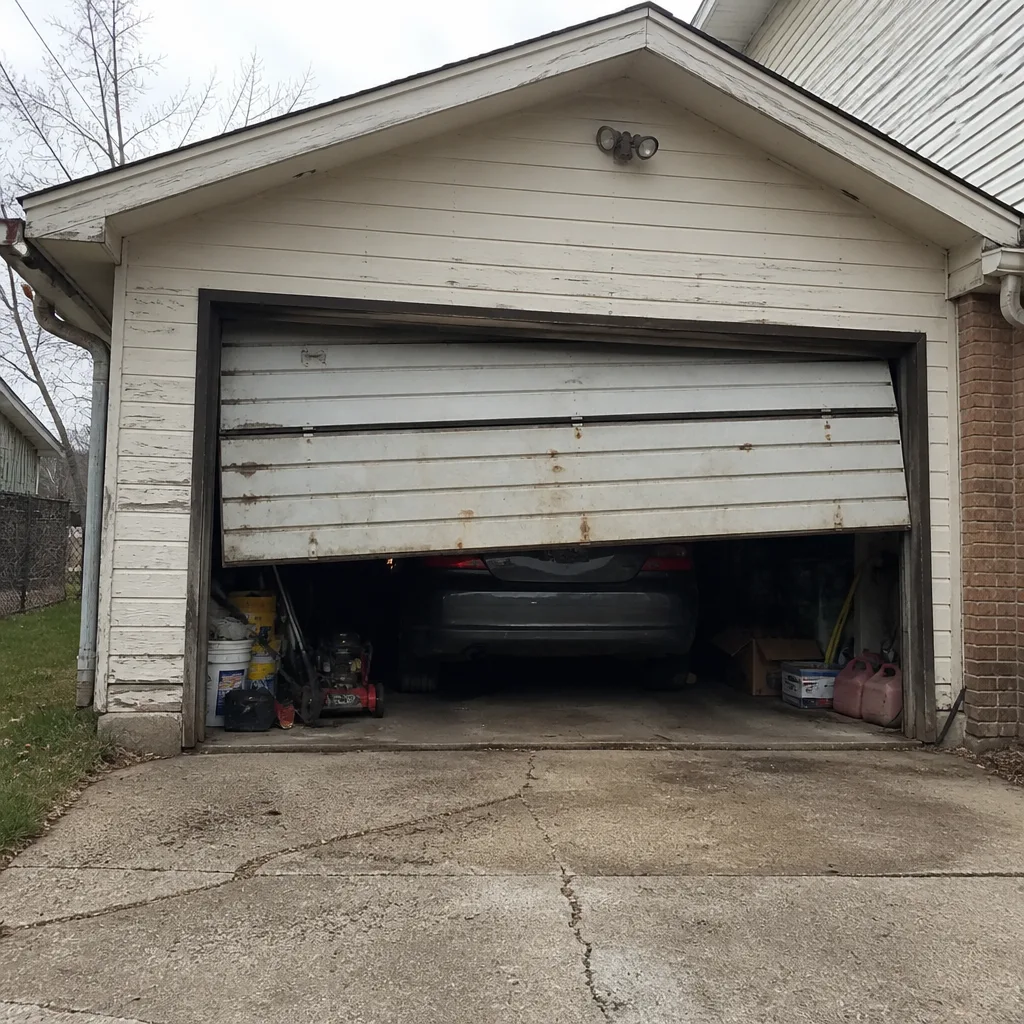 Before
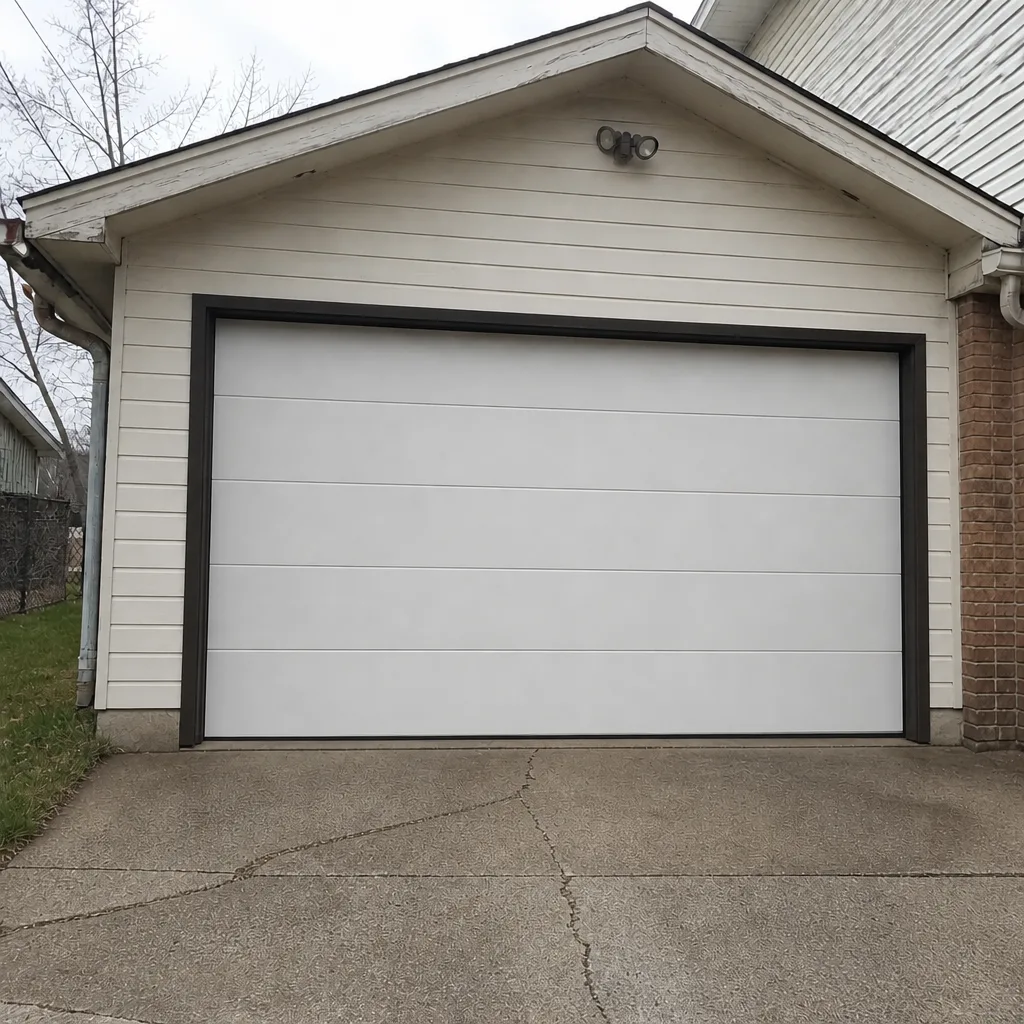 After
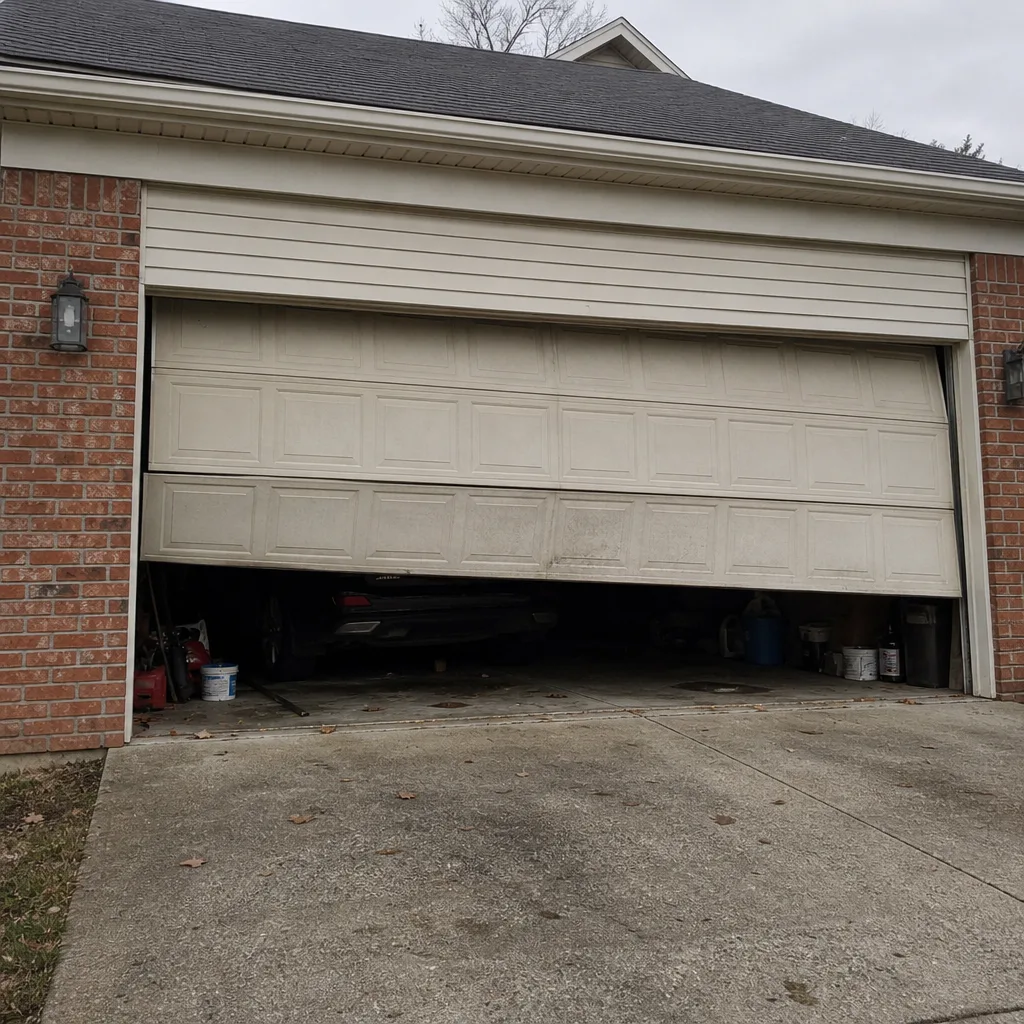 Before
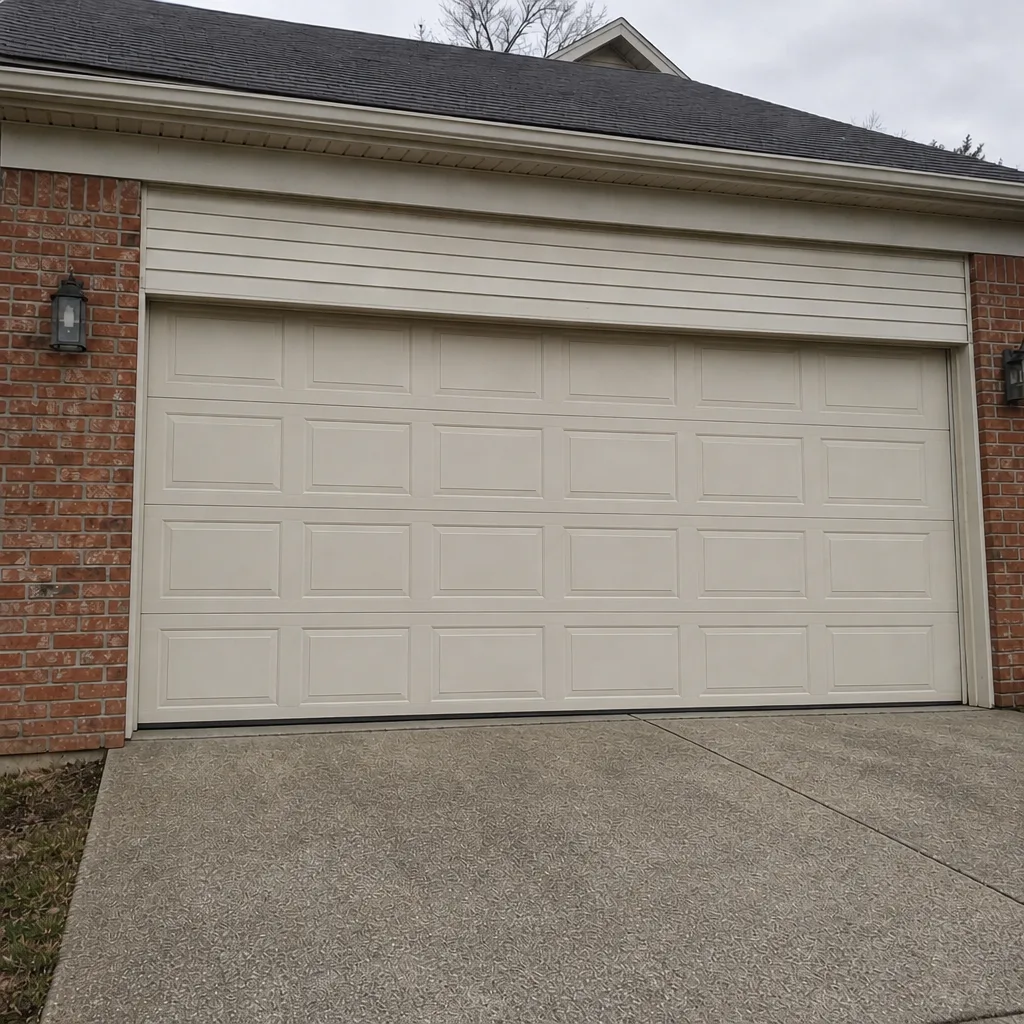 After
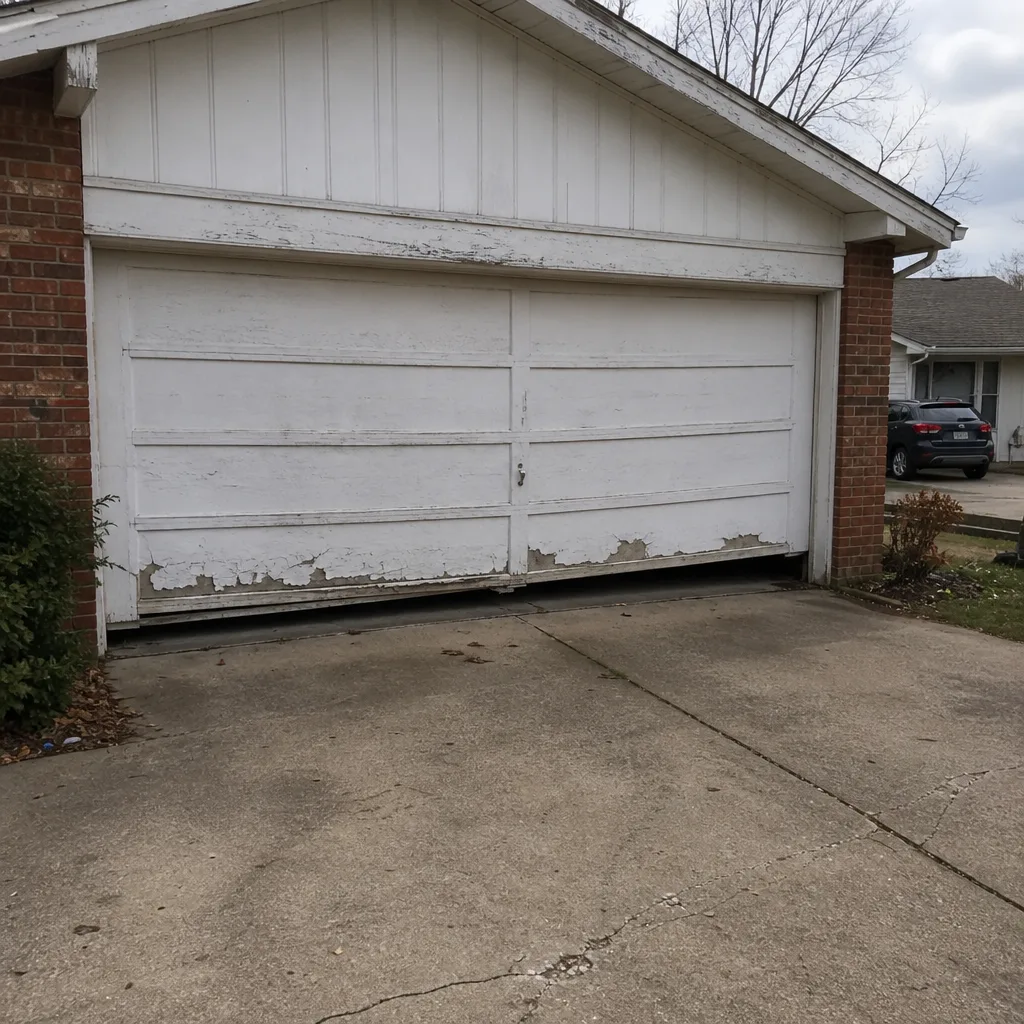 Before
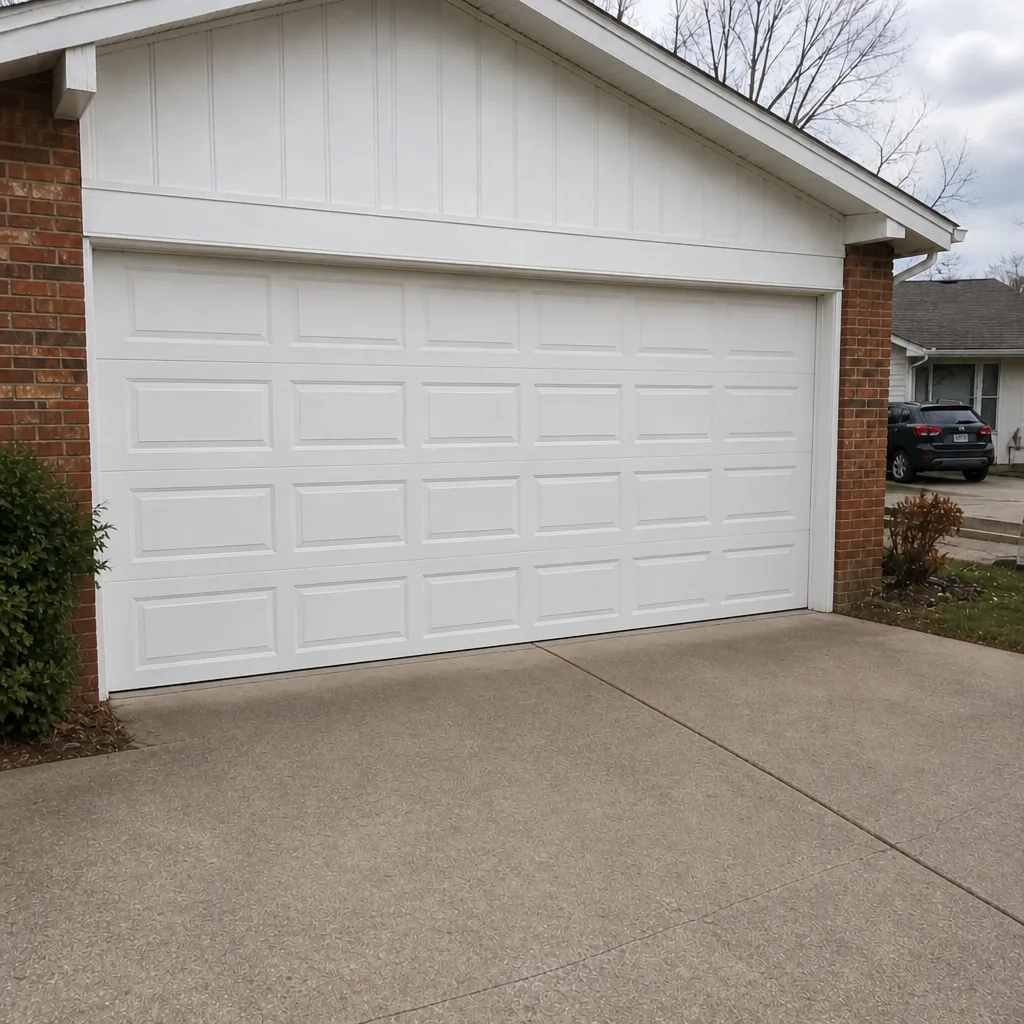 After
When to Call a Professional
Call a professional for anything involving a broken spring, a snapped cable, a door off its tracks, or a garage left open to the street. Those are the situations where a mistake can injure someone or leave your home exposed, and they’re exactly where a trained technician matters most. Call us for a door that won’t open or won’t close, an opener that keeps reversing, a door that hangs crooked, or a bottom seal that’s letting water in. A noisy door or a worn roller is a smaller job, but catching it early prevents the bigger failure later. Florence Garage Door Repair Pros offers a free estimate in Florence, and our technicians have up to 11 years of experience with spring repair, opener repair, and full installations. Call (844) 681-4337.
Frequently Asked Questions
Spring replacement is usually the most common garage repair in Florence, and the price depends on whether one spring or a matched pair is replaced, since a pair costs roughly twice a single spring. Expect a typical estimated range for the region, and ask specifically whether you’re quoted for one spring or two. The written estimate sets the final price, and the price is agreed before any work starts. Call (844) 681-4337 for an exact quote; estimates are free.
Yes, a door that won’t close and leaves the garage open is exactly the kind of emergency we prioritize, and same-day service is often possible. We answer 24/7, with fast dispatch from 7am to 7pm, Sunday through Friday. A call outside dispatch hours is booked into the next opening, Sunday through Friday, 7am to 7pm. If your door is stuck open, call (844) 681-4337 and we’ll get you moving.
Florence’s humid summers and repeated freeze-thaw winters put more stress on springs, seals, and hardware than a dry climate does, so parts here tend to reach replacement earlier than a national manufacturer chart suggests. Humidity also accelerates rust on exposed spring and cable components. The fix isn’t a different spring; it’s checking the system on a schedule and replacing worn parts before they fail. Call (844) 681-4337 with your door’s brand and we’ll tell you what to expect.
No. We quote the job and agree on the price before any work begins, and the written estimate sets the final price. If we discover a related worn part during the visit, we tell you about it and you decide whether to add it, rather than finding it on the invoice. That’s the whole point of a written estimate. Call (844) 681-4337 for a free estimate.
Yes, the local professional who comes to your door is licensed and insured as the state requires, and our technicians have up to 11 years of experience with springs, openers, and full door work. We also work on the brand you already have, whether that’s Clopay, Amarr, Wayne Dalton, Genie, LiftMaster, or another of the eight major brands we service. Call (844) 681-4337 to book a visit.
That depends on the project, and the safest answer is to ask Florence’s building department directly. Routine repairs like springs, rollers, or an opener typically don’t require a permit, while a full door replacement or a change in door size may involve building department requirements. Ask the city before work starts so there are no surprises. If you’re weighing replacement, call (844) 681-4337 and we’ll walk through what your specific door needs.
The Bottom Line
A garage door in Florence is a mechanical system shaped by its place. The humidity off the Ohio River and the freeze-thaw swing in the northern Kentucky hills wear springs, seals, and hardware faster than a national guide will tell you, which makes reading the door as a whole system more valuable than chasing one symptom at a time. Know the difference between a repair and a replacement, ask the city when a replacement crosses the permit line, and treat spring and cable work as professional territory. Keep an eye on the bottom seal before winter, lubricate the moving parts, and call when the door tells you something’s wearing. At Florence Garage Door Repair Pros, we work on the brand you already have and cover the full scope, from opener remote to full door replacement.
Call (844) 681-4337 for a free estimate. We answer 24/7. Fast dispatch from 7am to 7pm, Sunday through Friday.
Written by the team at Florence Garage Door Repair Pros.